


Blank white screen
Whole-Home Water Filtration vs. Reverse Osmosis: What Mesa Homeowners Should Know
September 7, 2026

Share this article

When Should Mesa Homeowners Call a Plumber for Plumbing Repair?

If you are weighing water filtration vs reverse osmosis in Mesa, here is the short answer: whole-home filtration treats every drop of water entering your house, while reverse osmosis polishes the water at one tap you drink from. They fix different problems, which is why plenty of Mesa homes end up using both.


A whole home filtration system connects where the main water line enters your house, so showers, laundry, and every faucet get treated water. Reverse osmosis, on the other hand, sits under one sink and cleans a much smaller amount of water far more thoroughly. Once you understand that difference, the choice gets a lot easier.


Below, we walk through what each system does, what upkeep looks like, and how to decide which home water treatment setup your Mesa house actually needs.

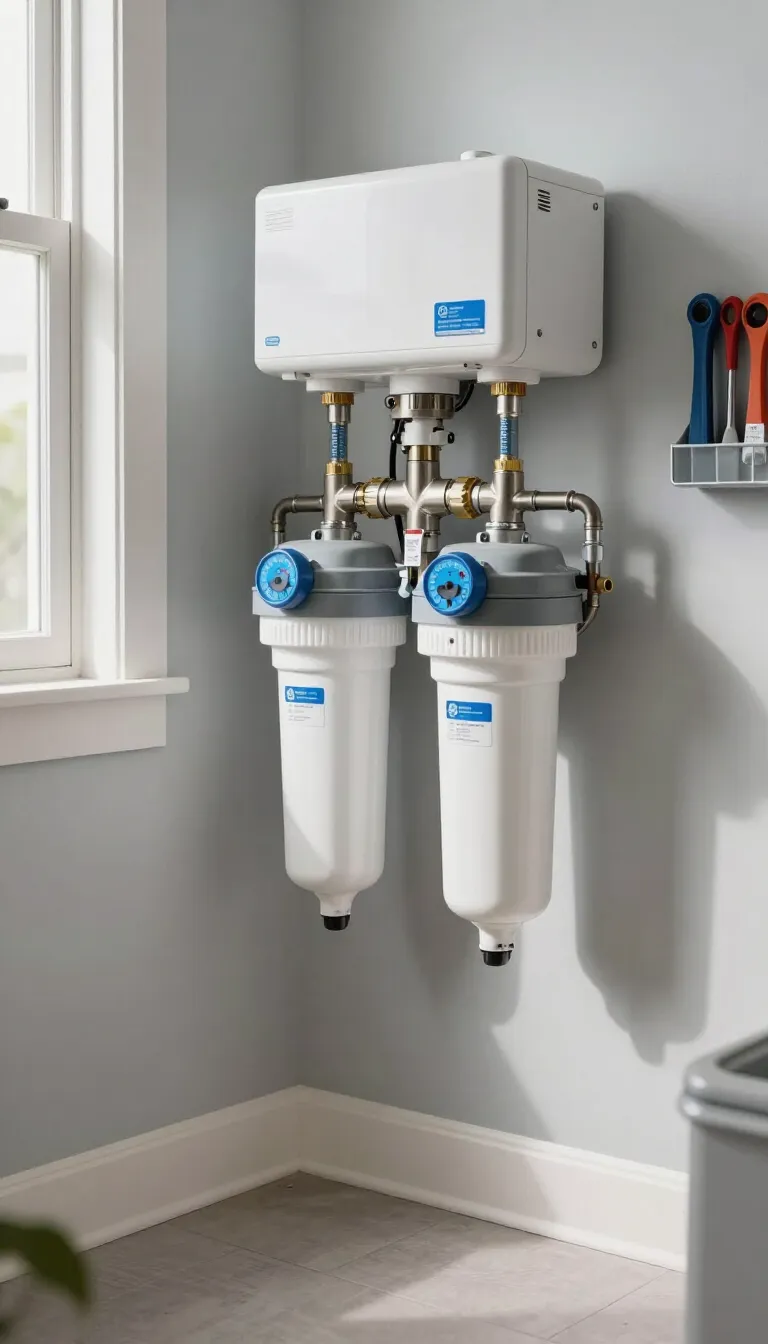
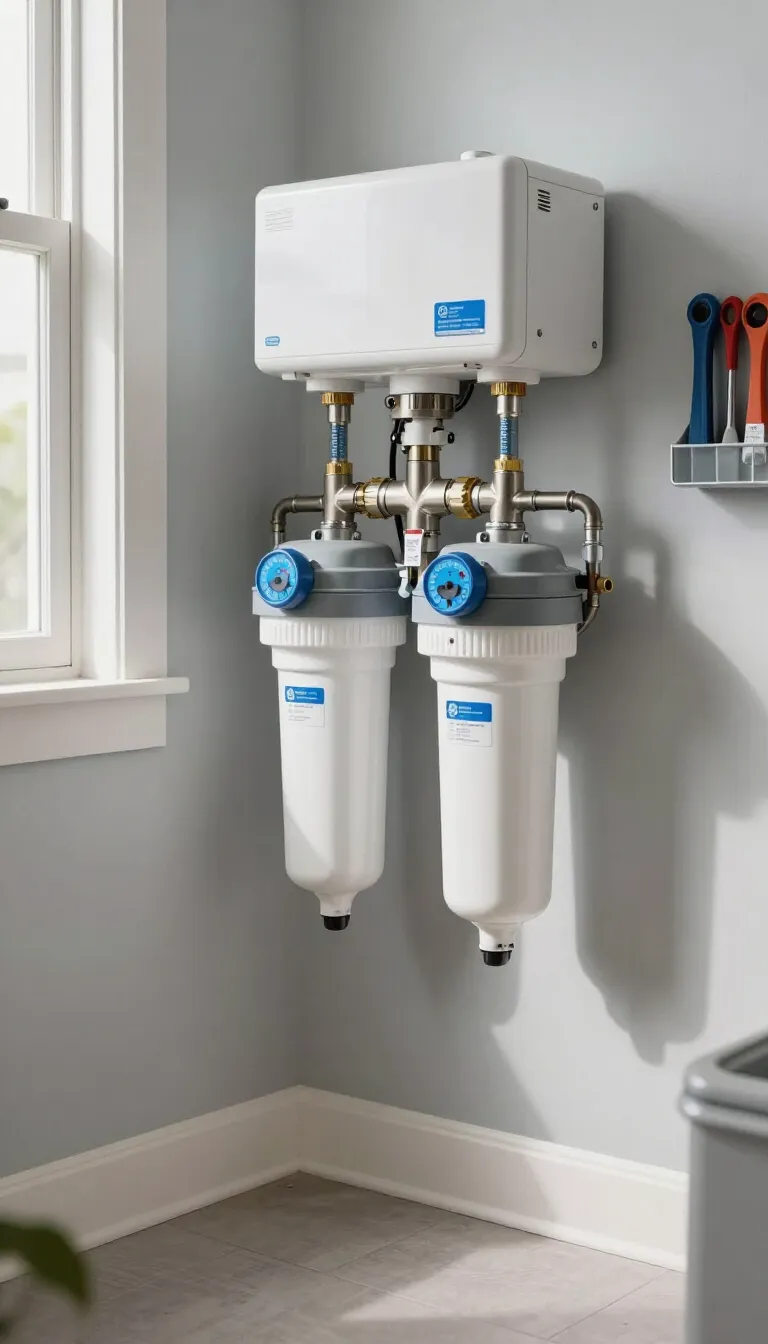
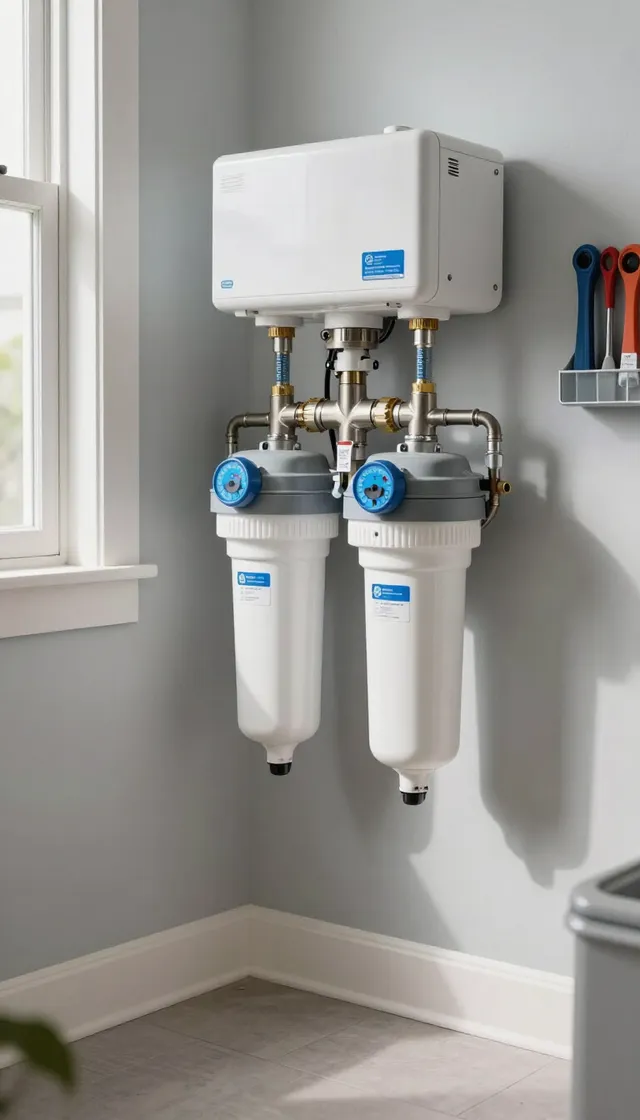
Wall-mounted whole-home water filtration system with twin filter cartridges installed in a Mesa, AZ utility room

Water Filtration vs. Reverse Osmosis in Mesa: Side-by-Side

Whole-Home Filtration Reverse Osmosis
Where it installs At the main water line Under the kitchen sink
What it treats Every tap, shower, and appliance One dedicated drinking tap
Best at removing Chlorine taste and smell, sediment, rust, sand Dissolved minerals, sodium, lead, arsenic, nitrates
Wastewater None Sends some water down the drain
Typical upkeep Filter swaps every 6 to 12 months, media every few years Filters yearly, membrane every 2 to 5 years
Softens hard water? No, not on its own Only at that one tap

So if your goal is better water everywhere, filtration wins. If your goal is clean drinking water at the kitchen tap, a reverse osmosis system wins.

Tank water heaters store hot water in a large tank, while tankless water heaters heat water only when you need it. Both can work well in Mesa homes, but they solve different problems.

Plumbing Risk Preventive Action
Hidden leak Check cabinets, toilets, appliances, and the water meter
Burst supply line Inspect for corrosion, bulging, cracks, and dampness
Drain backup Investigate recurring slow or gurgling drains
Water heater leak Watch for moisture, corrosion, noise, and rusty water
Hard-water buildup Clean aerators and maintain water-treatment equipment
Uncontrolled water Locate accessible shutoff valves and have stiff or corroded valves evaluated

What Whole-Home Filtration Actually Does in a Mesa House

Whole-home filtration improves the water you use, not just the water you drink. Since it treats water before it splits off to the rest of your plumbing, you notice the difference in places a drinking filter never reaches.


Here is what most homeowners report after installation:

  • Showers that no longer smell like chlorine
  • Less sediment and grit collecting in faucet aerators
  • Cleaner laundry with less dinginess over time
  • Fewer stains in sinks, tubs, and toilets


There is a good reason chlorine comes up so often here. Mesa disinfects with chlorine dioxide, and the city notes that an activated carbon filter will remove those chlorine compounds before they can create the odd chemical odors some homeowners smell at the tap.


One important thing to know: filtration is not softening. Filters remove particles and chemicals, but they do not pull out the calcium and magnesium that leave white crust on your fixtures. For that, you need water softeners working alongside your filter.

Hardness minerals and soap residue can make towels, clothing, and bedding feel stiff after washing. Reducing these minerals may help fabrics rinse more thoroughly and feel less rough.

How Reverse Osmosis Delivers Clean Drinking Water in Mesa, AZ

Reverse osmosis pushes water through a membrane with openings so small that dissolved minerals, metals, and salts get left behind. That is a big step up from a pitcher filter or a fridge filter, both of which mostly handle taste and chlorine.


RO is worth considering when you want to reduce:

  1. Total dissolved solids, which is what makes water taste flat or slightly salty
  2. Lead, since the EPA points to reverse osmosis and distillation units as effective options for reducing it at the tap
  3. Sodium added by a softener, which matters if anyone in your home watches their salt intake
  4. Naturally occurring minerals that survive city treatment


That third point deserves a closer look. According to the City of Mesa, softening adds roughly 8 mg of sodium per liter for every grain of hardness removed. In a home with 12 grain water, that works out to about 96 mg per liter. RO at the kitchen sink gives you drinking water without that added sodium, which is why softeners and RO systems pair so well.

Mesa Water: What You Are Actually Treating

Mesa's water is safe and meets federal standards, but it is genuinely mineral-heavy. The city reports that water hardness in Mesa ranges from 12 to 22 grains per gallon depending on which source serves your neighborhood. Anything above 10.5 grains counts as very hard.


Your exact numbers depend on where you live, because Mesa splits its supply between treated surface water and groundwater wells. Homes on well-fed zones in east Mesa typically see the higher end of that range.


For the full picture, you can pull your address's details from the city's annual Water Quality Report. Those numbers are the starting point for any home water treatment decision, and we are happy to walk through them with you during a visit anywhere in Mesa and the East Valley.

Plumber holding filter cartridges and a glass of clean drinking water beside an under-sink reverse osmosis system in Mesa, AZ

Which System Should You Choose?

The water filtration vs reverse osmosis question gets easier once you know what you are solving for. Work through these in order, and the answer usually becomes obvious.


  1. What bothers you most? If it is taste at the kitchen sink, start with RO. If it is smell in the shower or grit in your fixtures, start with whole-home filtration.
  2. Are you seeing white buildup? Scale on faucets, shower doors, and inside appliances points to hardness, not filtration. A softener belongs in your plan, and it also protects your equipment. Hard water is one of the main reasons water heaters fail early in Mesa, because minerals settle into sediment at the bottom of the tank.
  3. How much water needs treating? RO produces a few gallons a day. That is plenty for drinking, cooking, coffee, and ice, but nowhere near enough for showers or laundry.
  4. What is your budget for upkeep? Filtration costs less to maintain year to year. RO costs a bit more per gallon treated, though it does far more per gallon.

Can You Use Both?

Yes, and it is often the smartest home water treatment setup in Mesa. The three systems handle separate jobs, so they complement each other rather than overlap.


A common configuration looks like this:

  • Whole-home filter first, catching sediment and chlorine before anything else
  • Softener second, protecting your water heater, pipes, and appliances from scale
  • RO at the kitchen sink, finishing the water you actually drink


Installing them in the right order matters. A filter placed ahead of your softener keeps chlorine away from the softener's resin, which helps it last longer. Getting that sequence wrong is one of the more common problems we find in homes with existing equipment.

FAQs About Water Filtration and Reverse Osmosis

  • Does whole-home filtration remove hard water minerals?

    No. Filtration removes sediment, chlorine, and other contaminants, but calcium and magnesium pass right through. You need a softener to address hardness.

  • Is reverse osmosis water safe to drink long term?

    Yes. RO water is safe for daily drinking and cooking, and it is one of the most reliable ways to get clean drinking water in Mesa, AZ. It contains fewer dissolved minerals than tap water, though most people get the bulk of their minerals from food rather than water.

  • How much water does an RO system waste?

    Older systems sent several gallons to the drain for every gallon produced. Newer high-efficiency models cut that ratio significantly, so ask about efficiency before you buy.

  • Will a fridge or pitcher filter do the same job?

    Not really. Those filters improve taste and reduce chlorine, but they treat a tiny fraction of your household water and do not remove dissolved solids the way RO does.

  • How often do these systems need service?

    Plan on filter changes every 6 to 12 months for whole-home units and yearly for RO pre-filters, with the RO membrane replaced every 2 to 5 years. Skipping service is the fastest way to lose performance.

Get Straight Answers About Your Water

You should not have to guess which system your home needs. Our team looks at your actual water, your plumbing layout, and what is bothering you, then recommends only what makes sense.


Call Prompt Property Services at (480) 207-8514 to schedule home water treatment service in Mesa, AZ.

Recent Posts

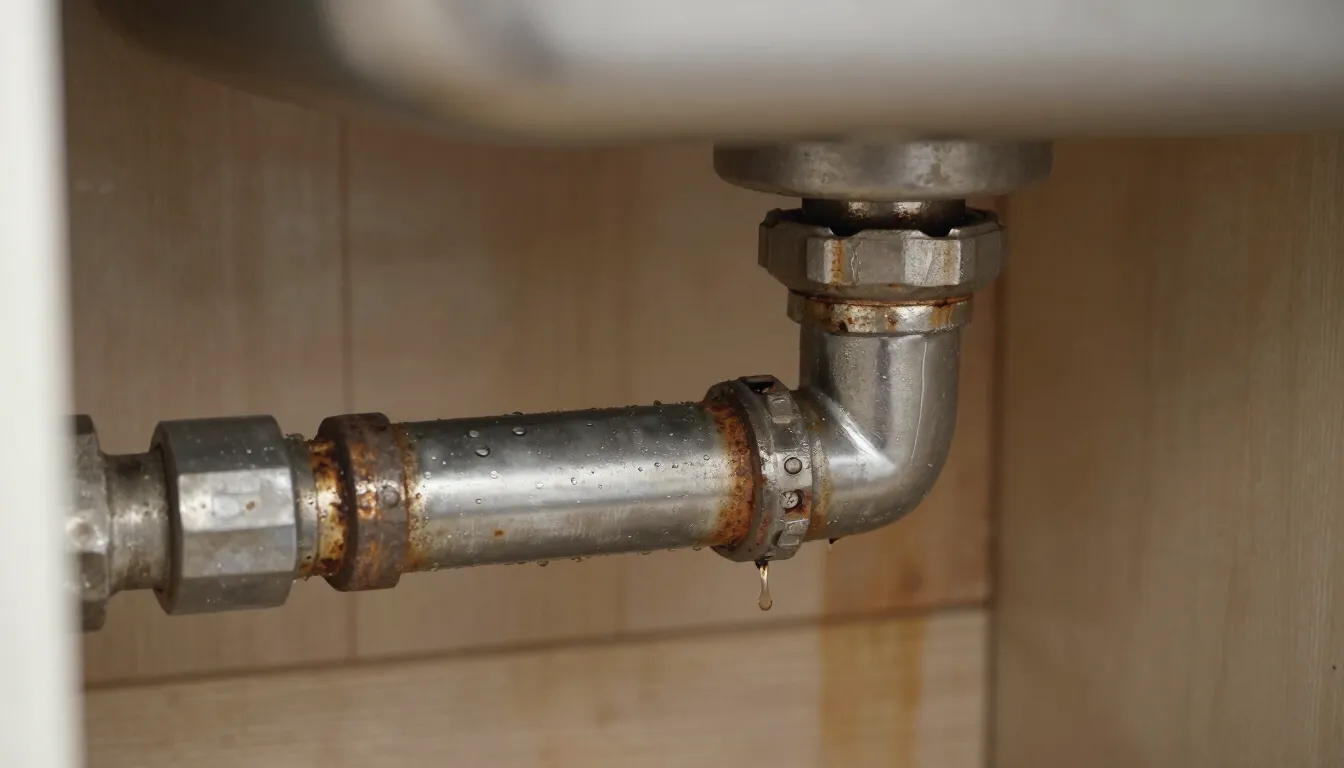
Corroded under-sink pipe dripping water in a Mesa, AZ home
September 7, 2026
Learn the 7 leak detection signs that point to a hidden water leak in Mesa homes. Call Prompt Property Services at (480) 207-8514 for water leak repair in Mesa.
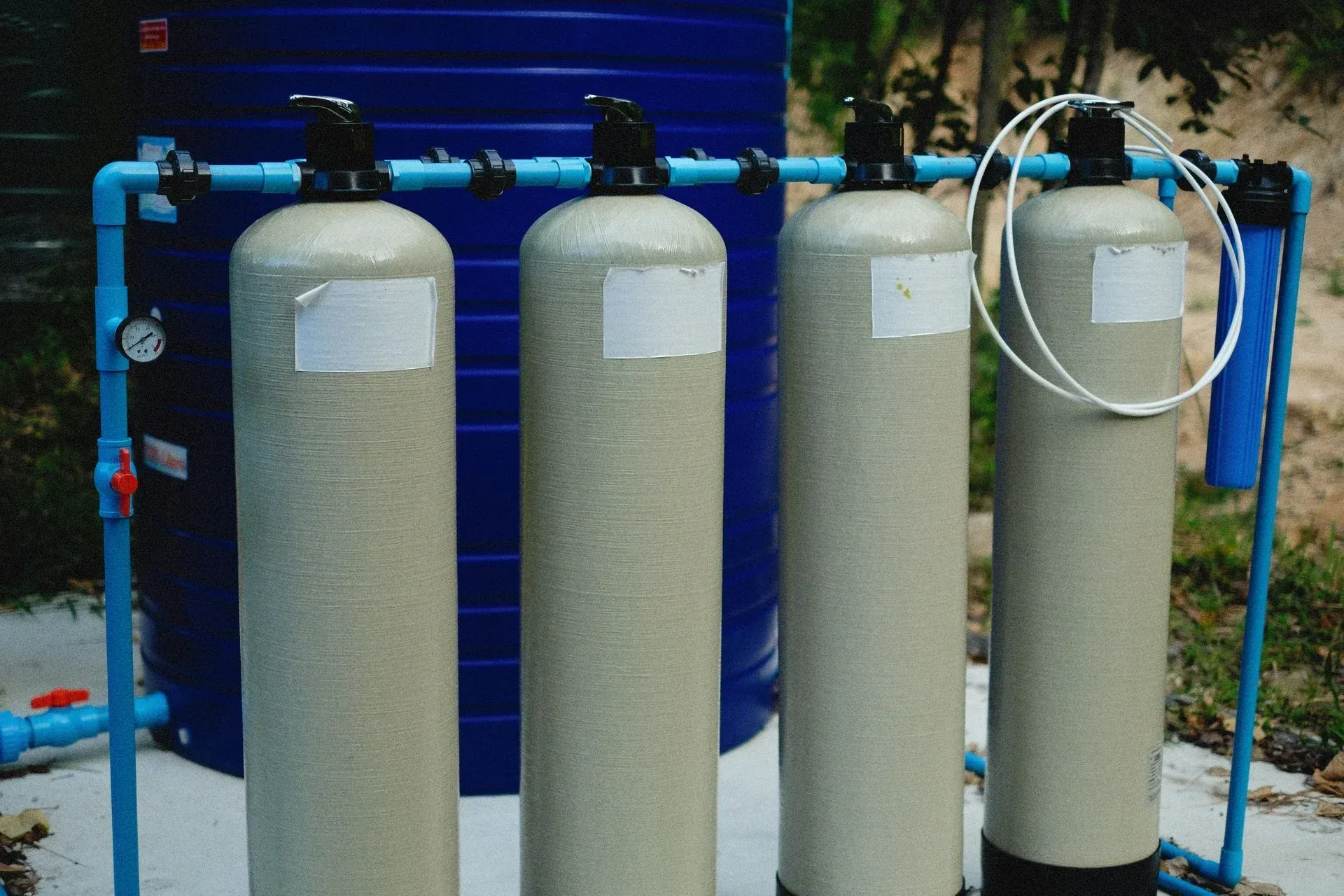
Water softener system installed in Mesa, AZ
August 7, 2026
Learn how a water softener can reduce scale, spots, soap scum, and mineral buildup in Mesa homes. Call 480-207-8514 for installation.
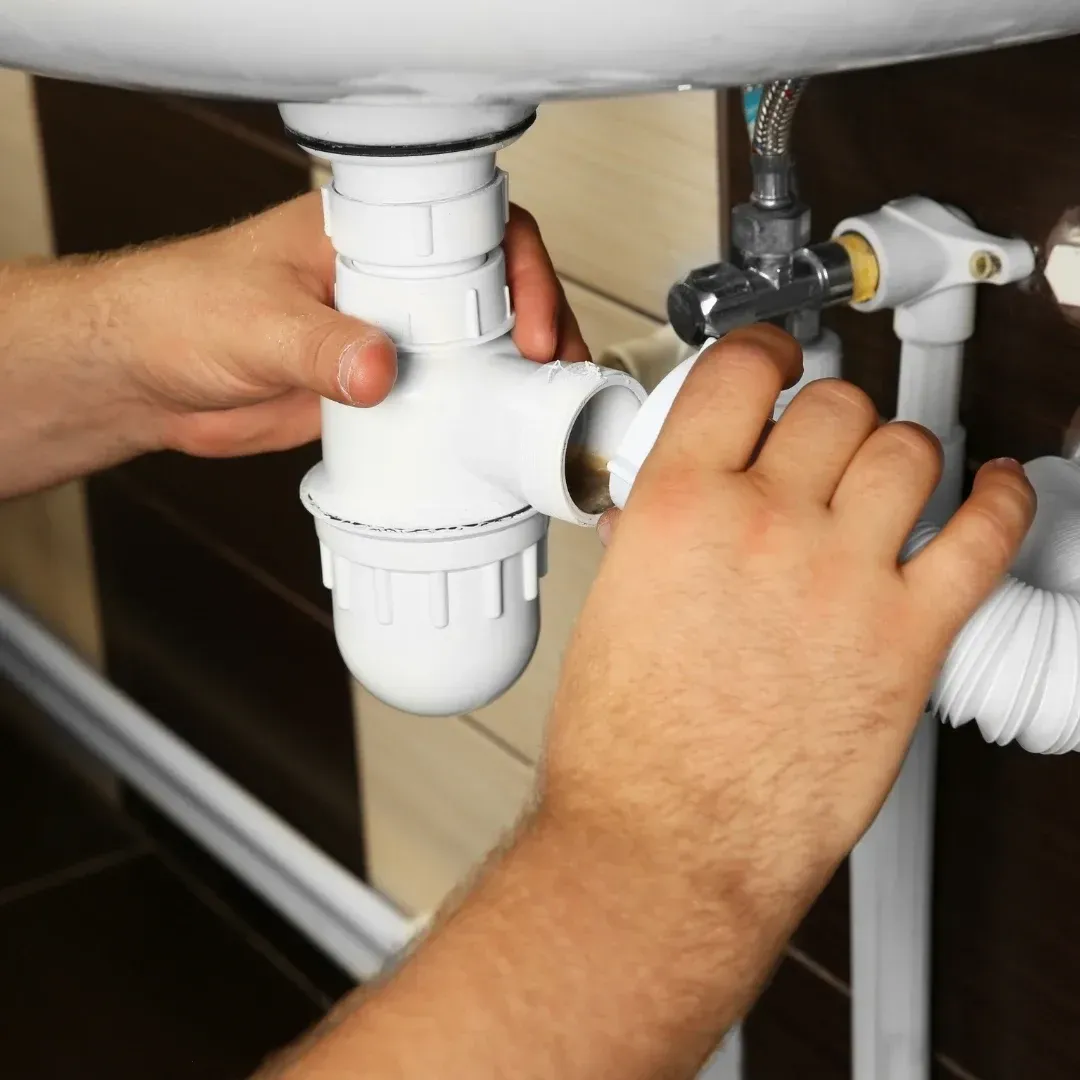
Fixing a plumbing problem under the sink in Mesa, AZ
August 7, 2026
Prevent plumbing emergencies in your Mesa home with a monthly checklist, early warning signs, hard-water tips, shutoff guidance, and maintenance advice.
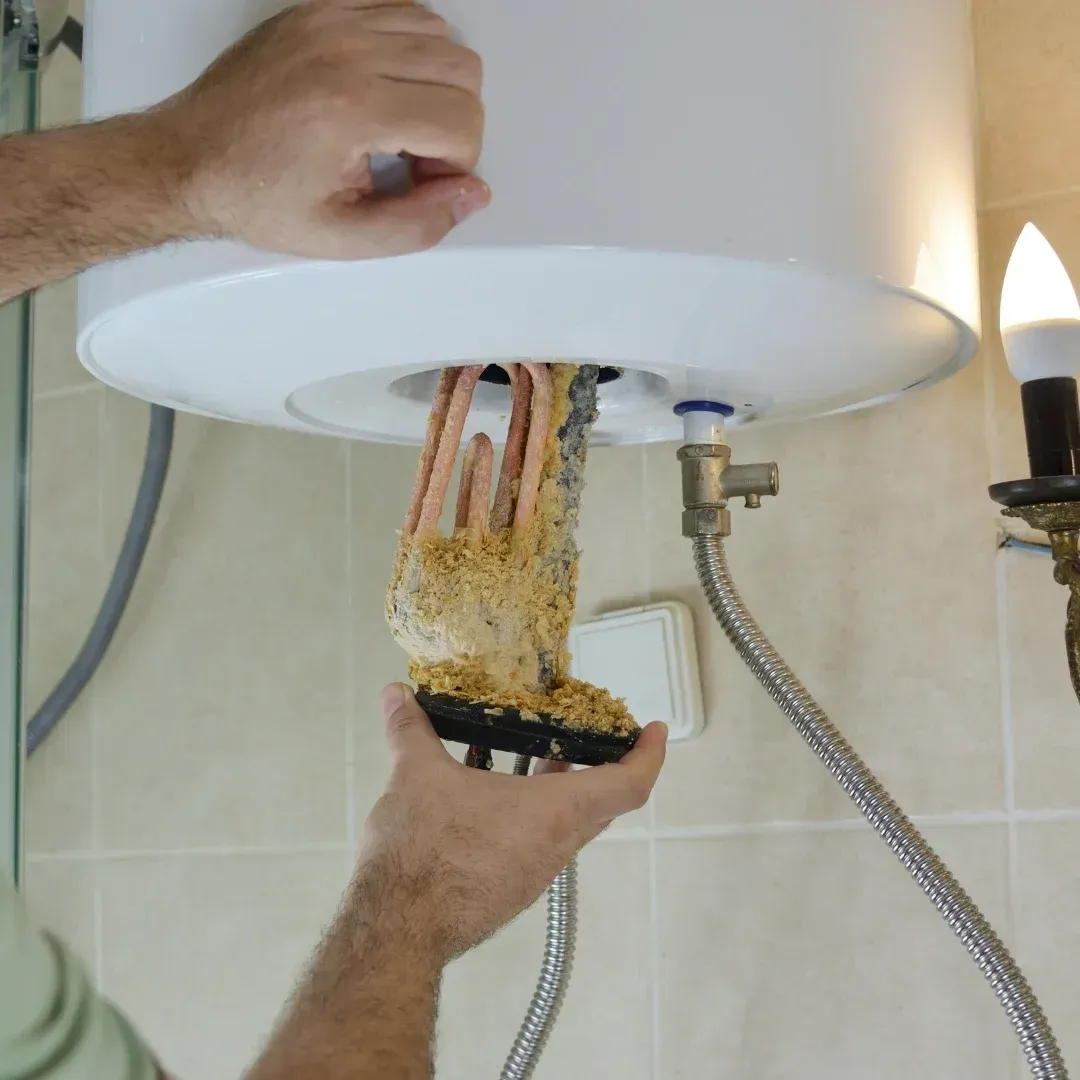
Hard water problems in the water heater
July 9, 2026
Learn the warning signs of water heater problems and call Prompt Property Services at 480-207-8514 for water heater repair in Mesa, AZ.
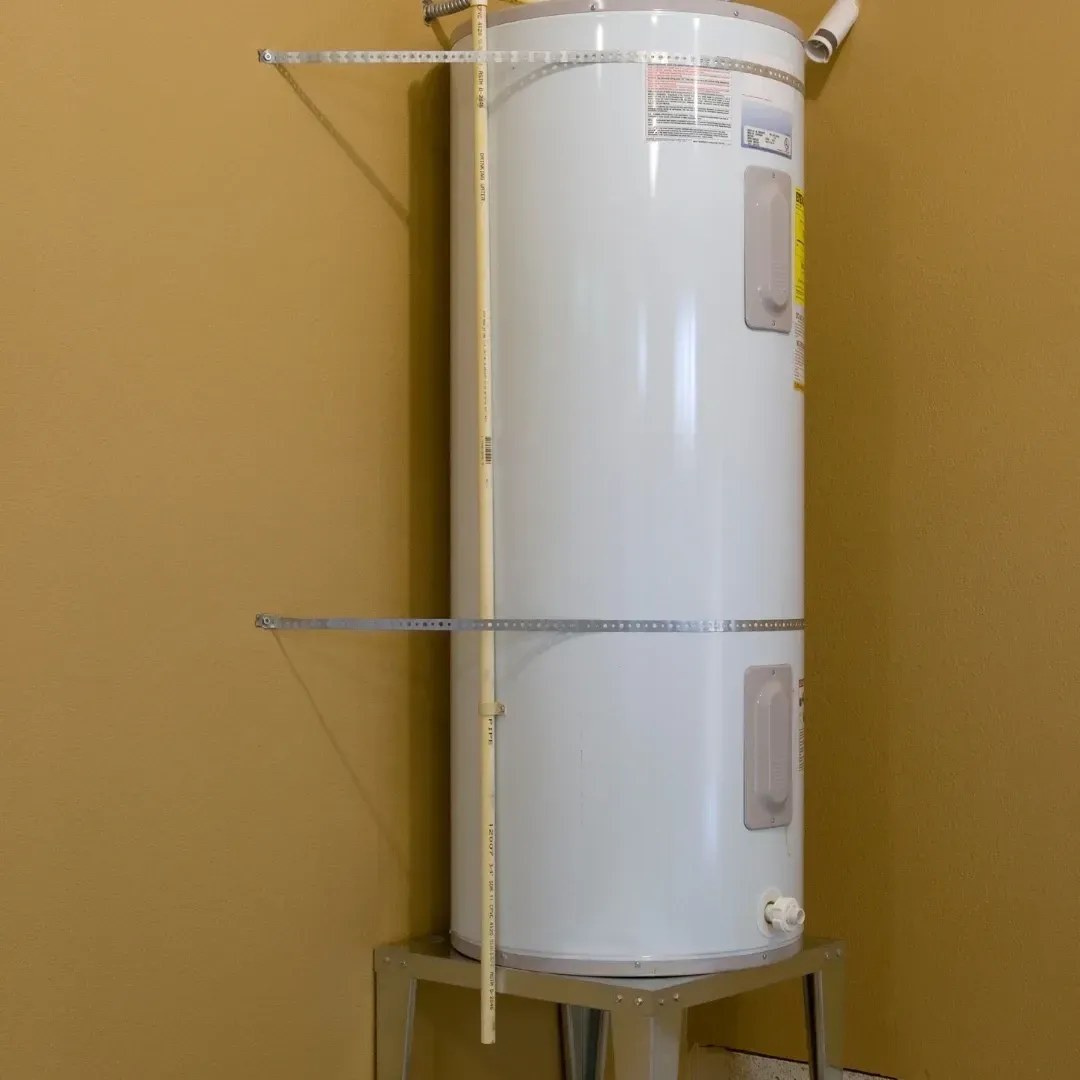
White water heater tank with metal support bars against a tan wall.
July 9, 2026
Compare tank vs. tankless water heaters for Mesa homes. Learn costs, pros, cons, and how to choose the best option. Call Prompt Property Services today.
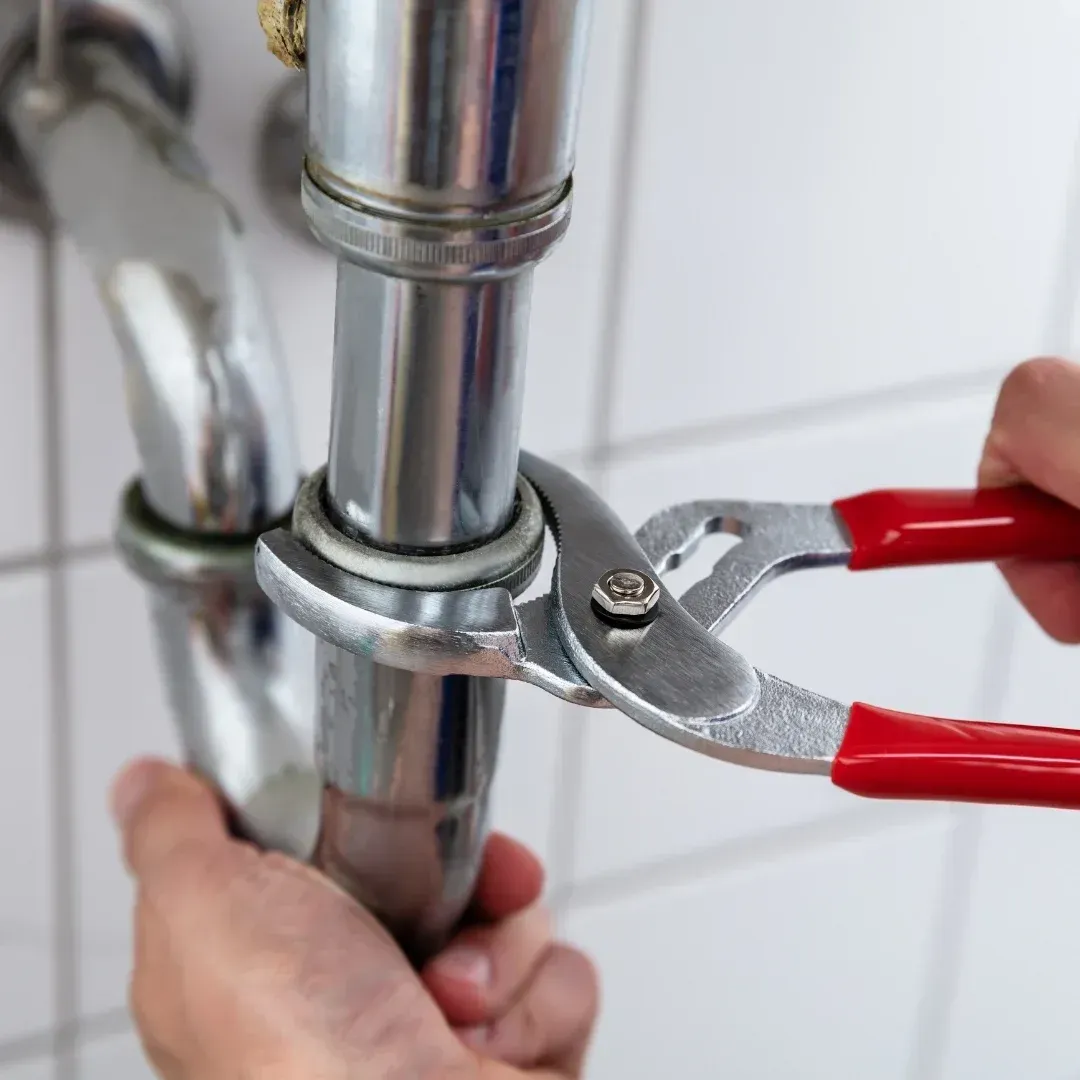
Hands using red-handled pliers to tighten a metal pipe clamp on a chrome plumbing pipe.
June 23, 2026
Learn common plumbing repair signs in Mesa, AZ, from leaks to low pressure. Call Prompt Property Services at 480-207-8514 for East Valley repair.
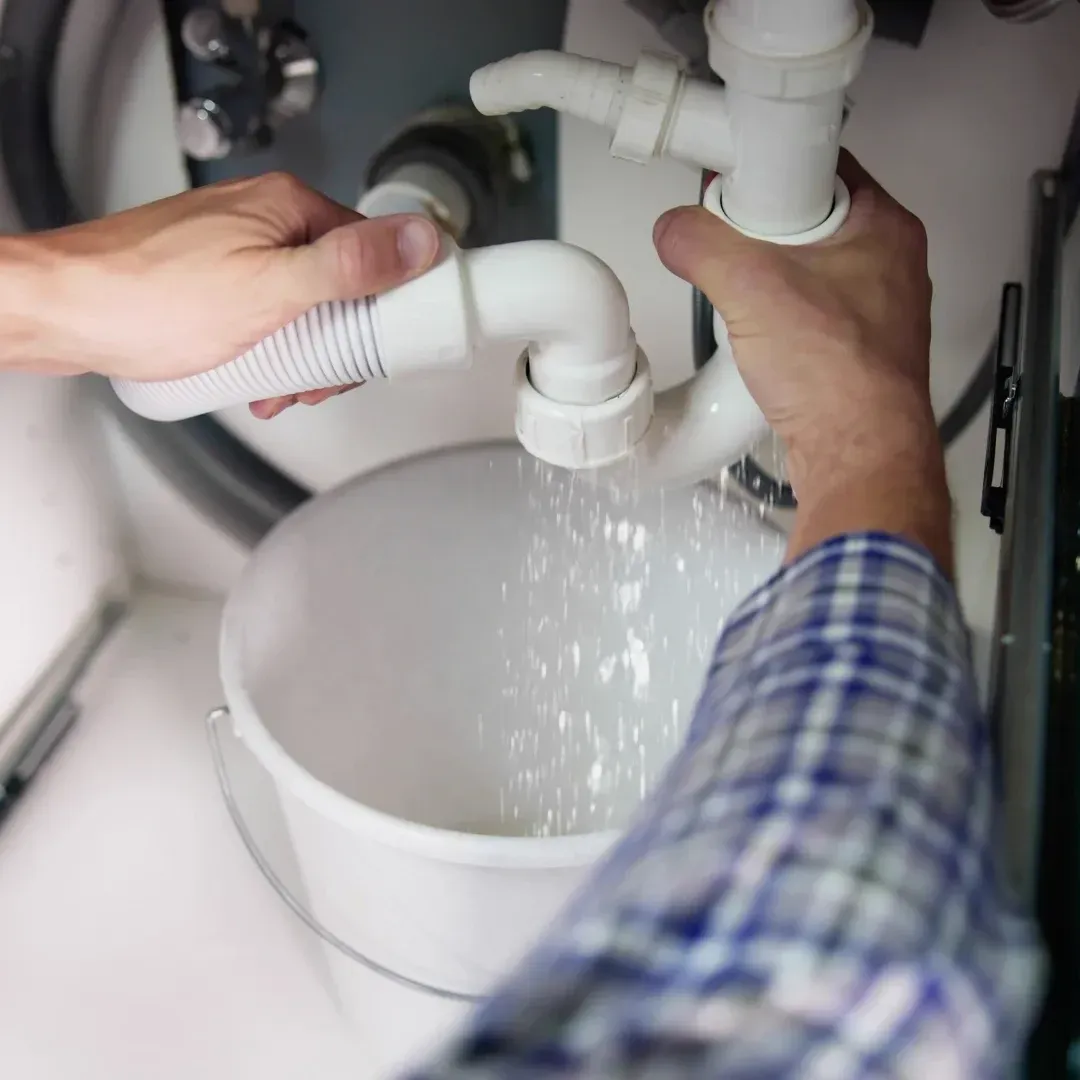
Hands fixing a white sink drain while water pours into a bucket underneath
June 23, 2026
Need same-day plumbing help in Mesa, AZ? Learn what to do during an urgent plumbing issue and call Prompt Property Services at 480-207-8514 for fast service.
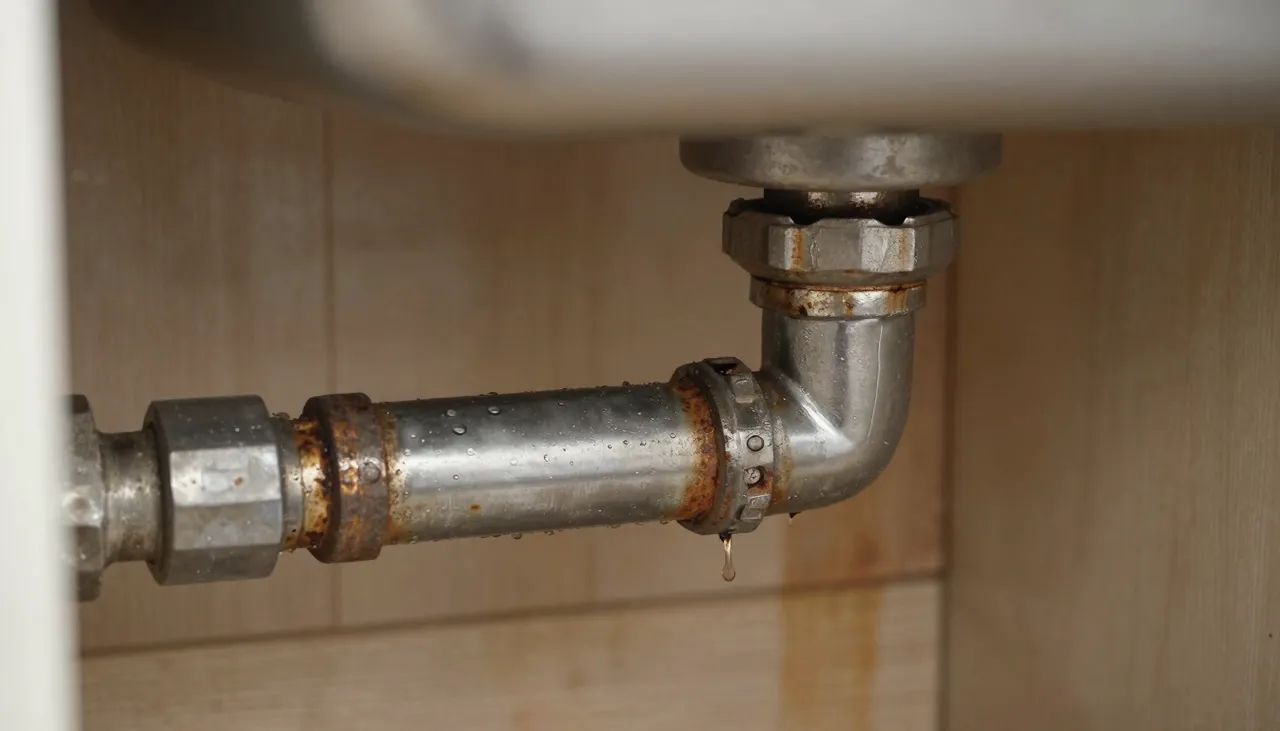
Corroded under-sink pipe dripping water in a Mesa, AZ home
September 7, 2026
Learn the 7 leak detection signs that point to a hidden water leak in Mesa homes. Call Prompt Property Services at (480) 207-8514 for water leak repair in Mesa.
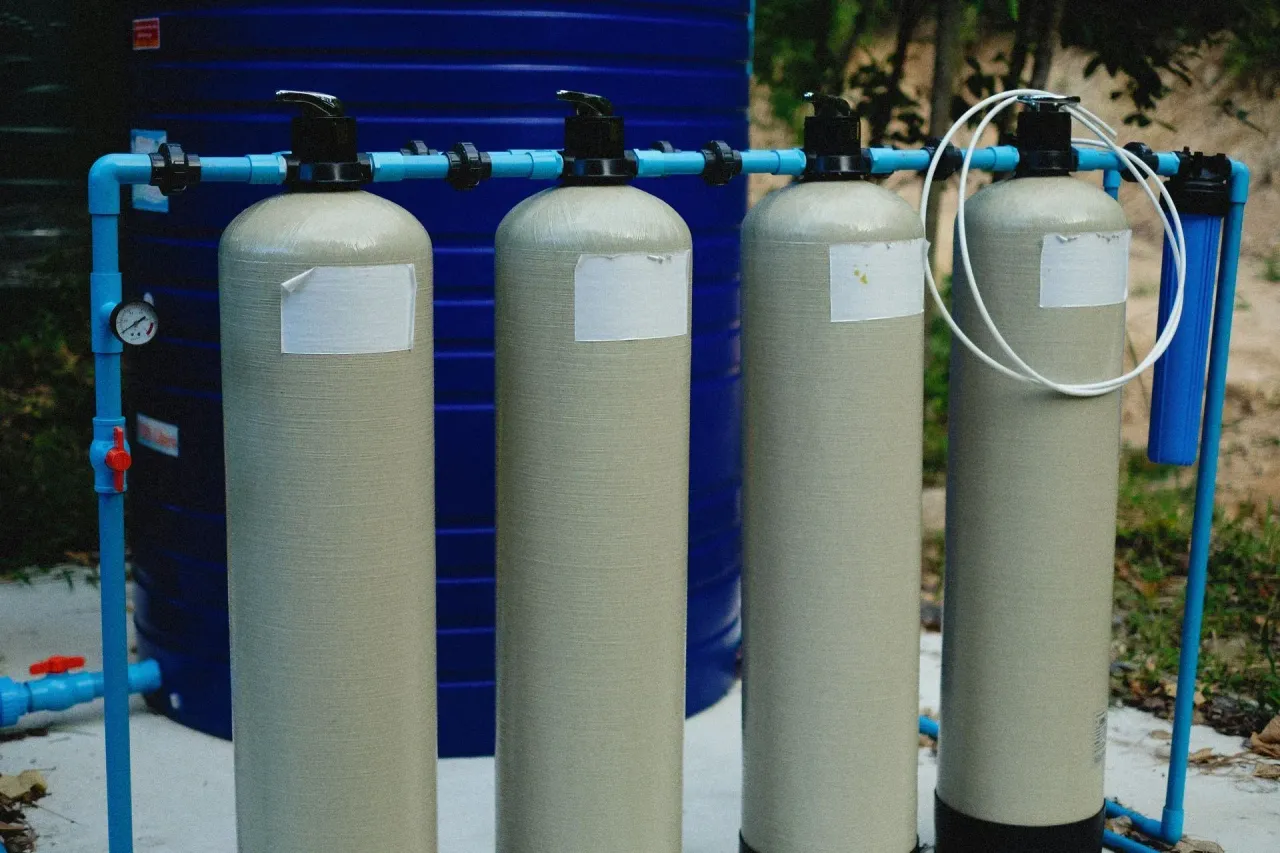
Water softener system installed in Mesa, AZ
August 7, 2026
Learn how a water softener can reduce scale, spots, soap scum, and mineral buildup in Mesa homes. Call 480-207-8514 for installation.
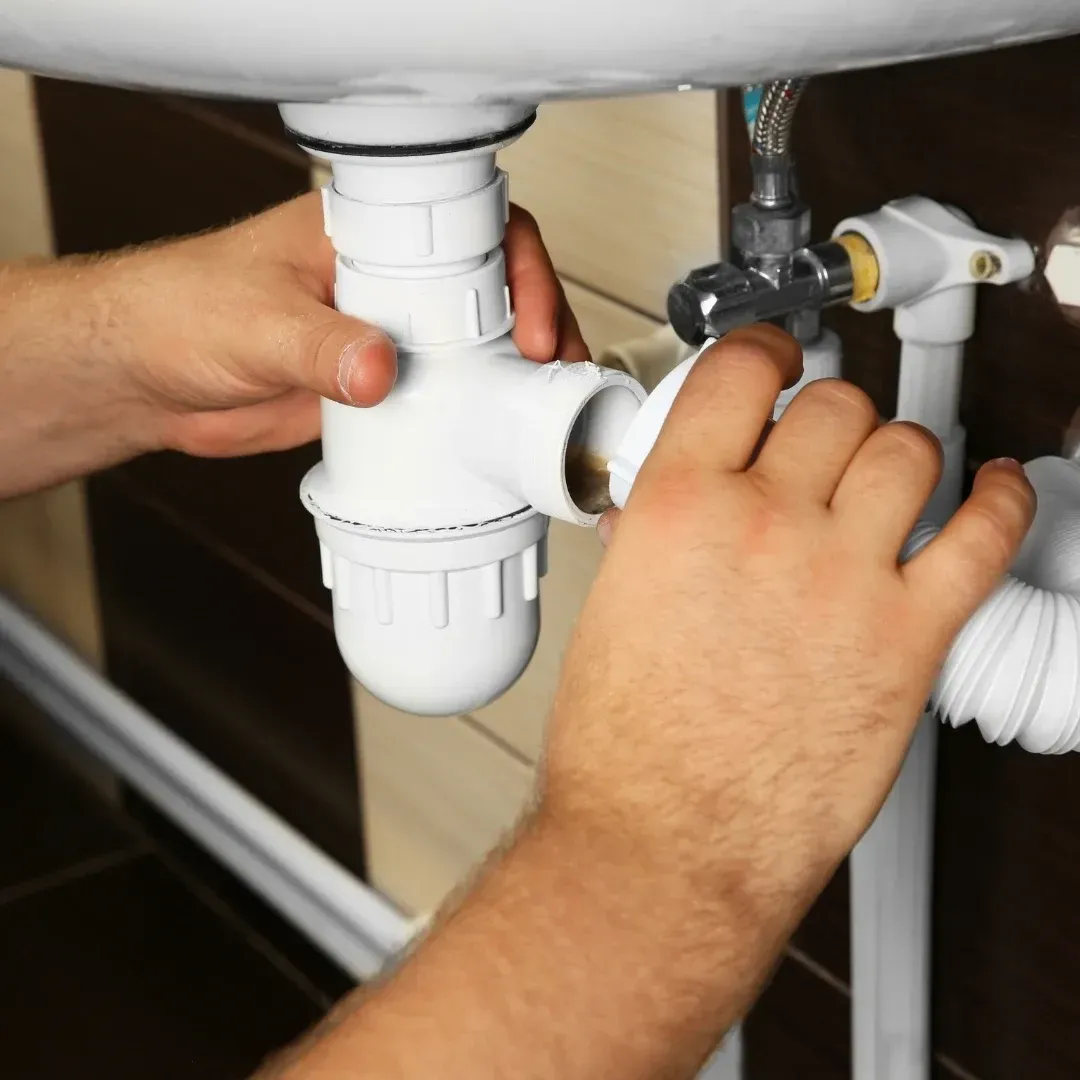
Fixing a plumbing problem under the sink in Mesa, AZ
August 7, 2026
Prevent plumbing emergencies in your Mesa home with a monthly checklist, early warning signs, hard-water tips, shutoff guidance, and maintenance advice.
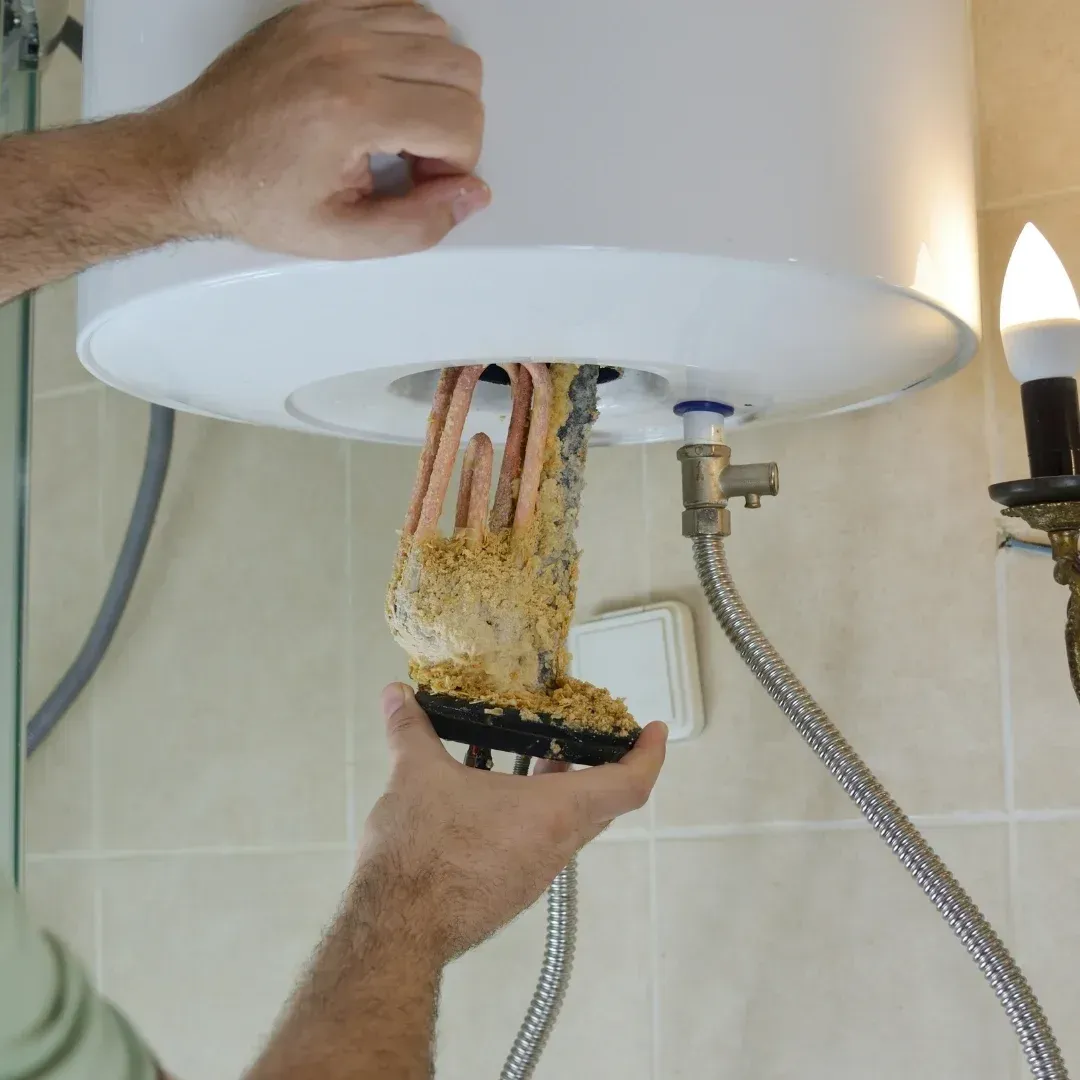
Hard water problems in the water heater
July 9, 2026
Learn the warning signs of water heater problems and call Prompt Property Services at 480-207-8514 for water heater repair in Mesa, AZ.
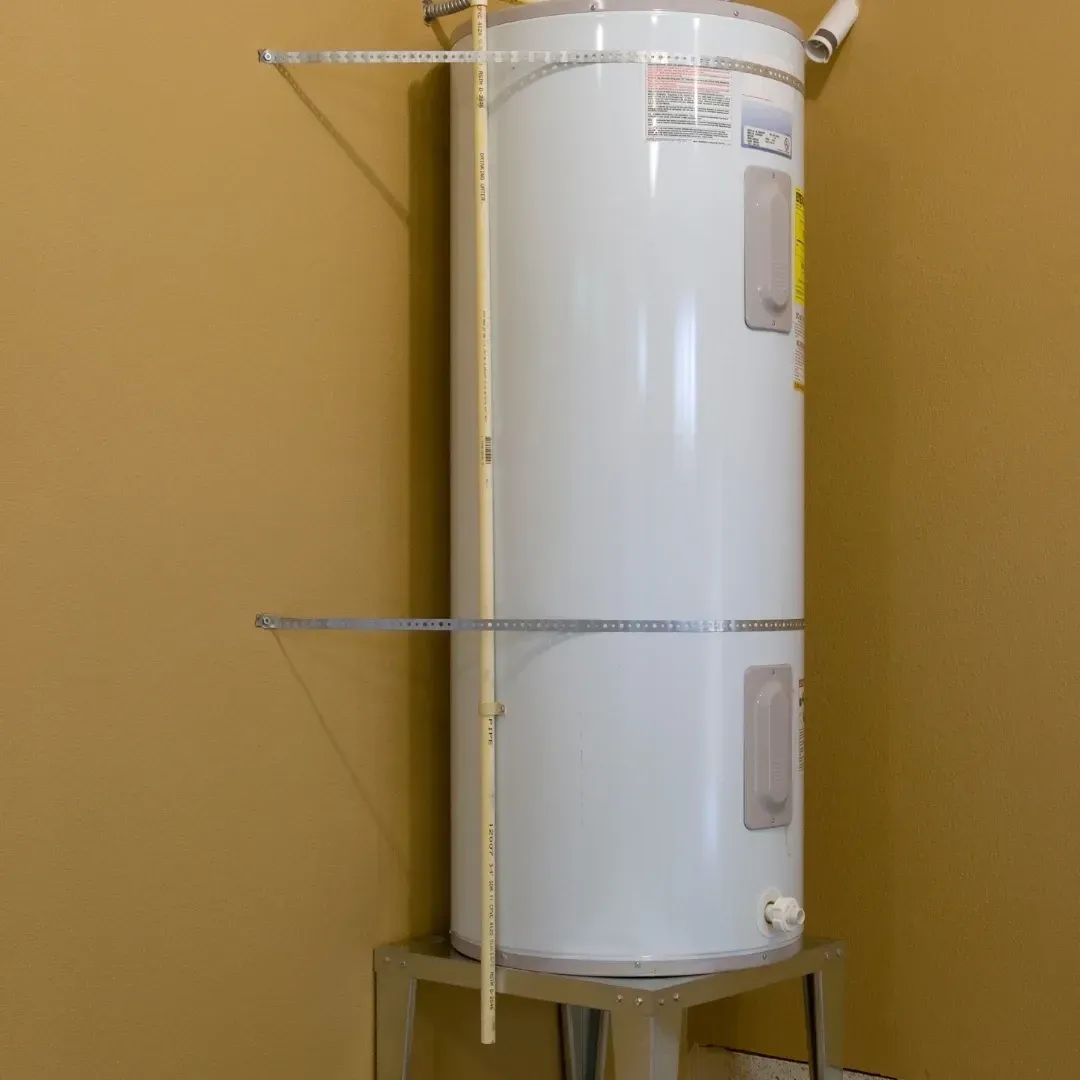
White water heater tank with metal support bars against a tan wall.
July 9, 2026
Compare tank vs. tankless water heaters for Mesa homes. Learn costs, pros, cons, and how to choose the best option. Call Prompt Property Services today.
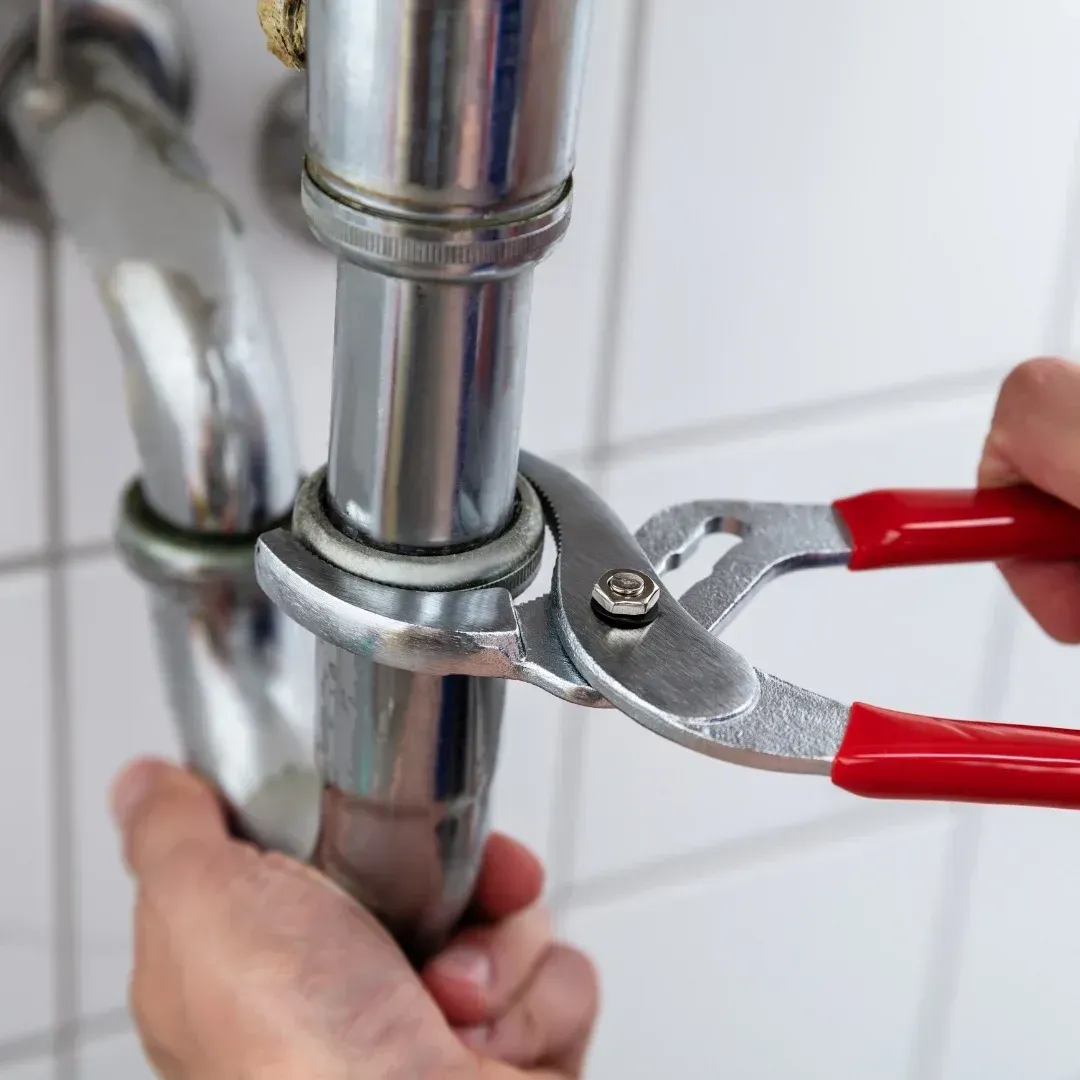
Hands using red-handled pliers to tighten a metal pipe clamp on a chrome plumbing pipe.
June 23, 2026
Learn common plumbing repair signs in Mesa, AZ, from leaks to low pressure. Call Prompt Property Services at 480-207-8514 for East Valley repair.
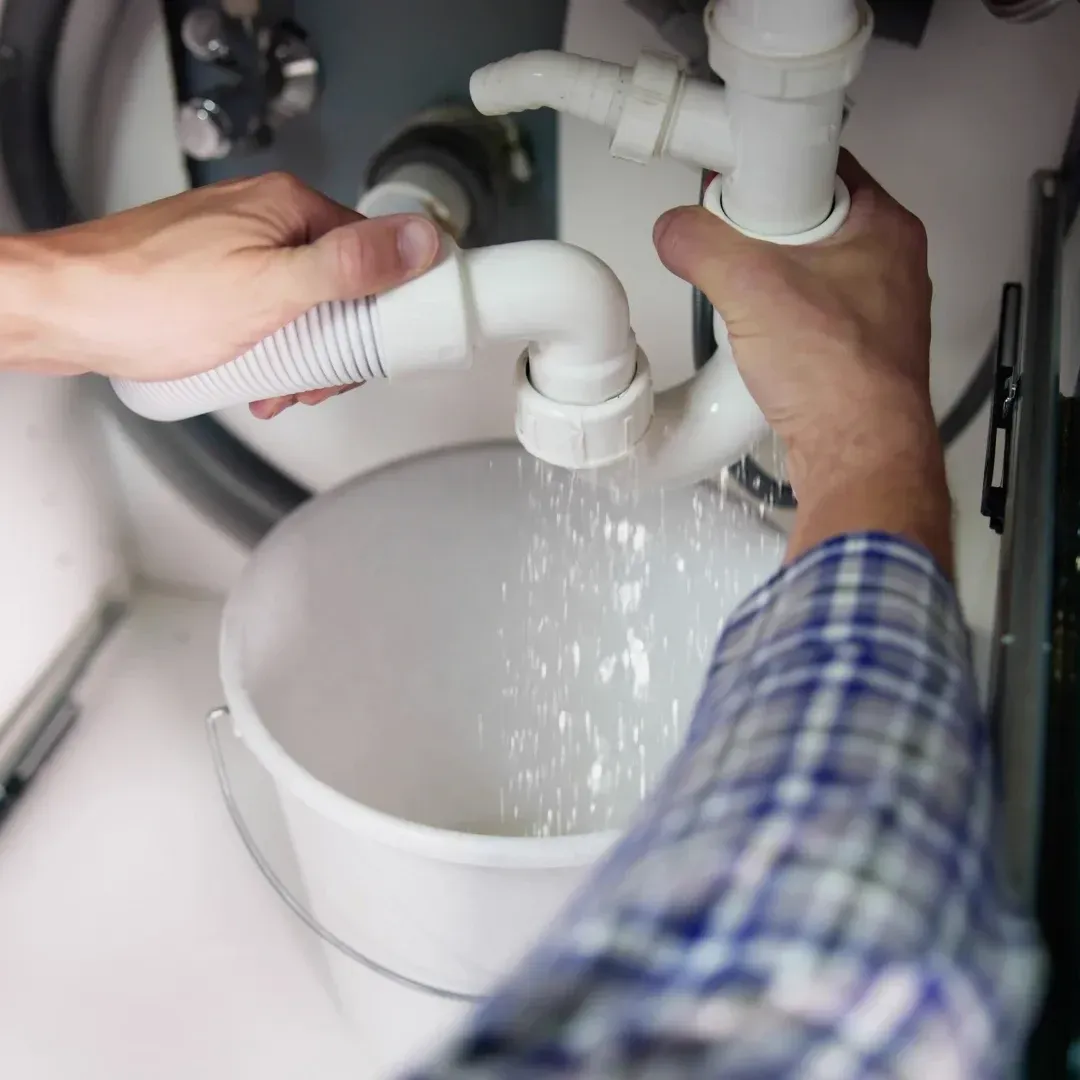
Hands fixing a white sink drain while water pours into a bucket underneath
June 23, 2026
Need same-day plumbing help in Mesa, AZ? Learn what to do during an urgent plumbing issue and call Prompt Property Services at 480-207-8514 for fast service.
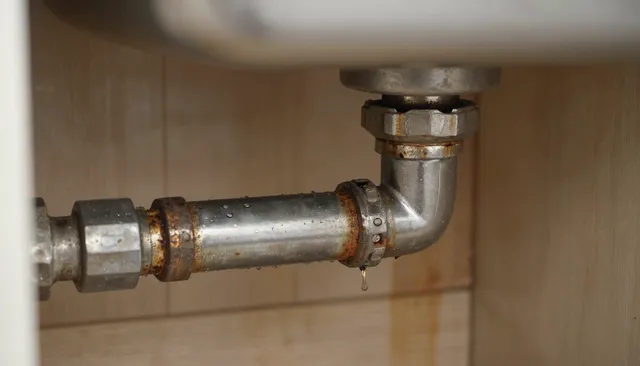
Corroded under-sink pipe dripping water in a Mesa, AZ home
September 7, 2026
Learn the 7 leak detection signs that point to a hidden water leak in Mesa homes. Call Prompt Property Services at (480) 207-8514 for water leak repair in Mesa.
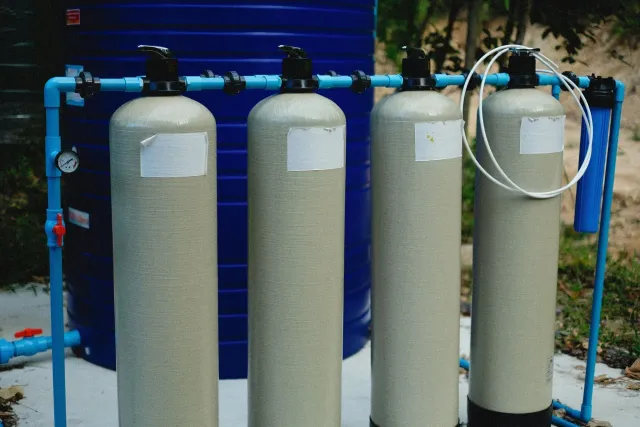
Water softener system installed in Mesa, AZ
August 7, 2026
Learn how a water softener can reduce scale, spots, soap scum, and mineral buildup in Mesa homes. Call 480-207-8514 for installation.
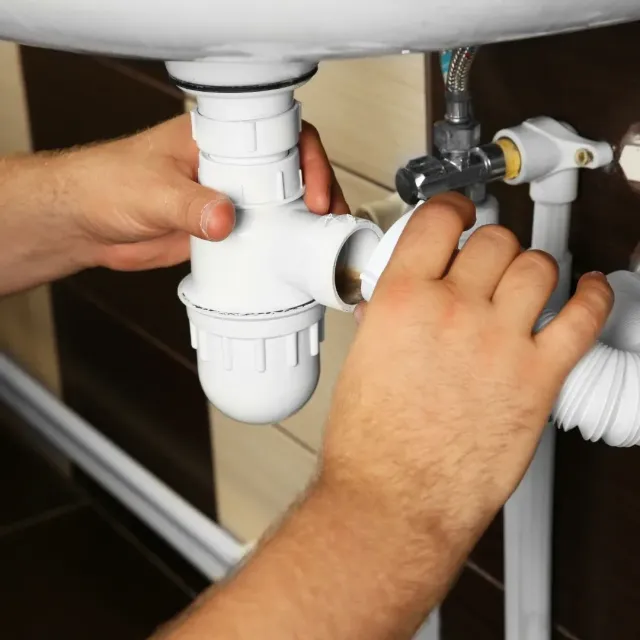
Fixing a plumbing problem under the sink in Mesa, AZ
August 7, 2026
Prevent plumbing emergencies in your Mesa home with a monthly checklist, early warning signs, hard-water tips, shutoff guidance, and maintenance advice.
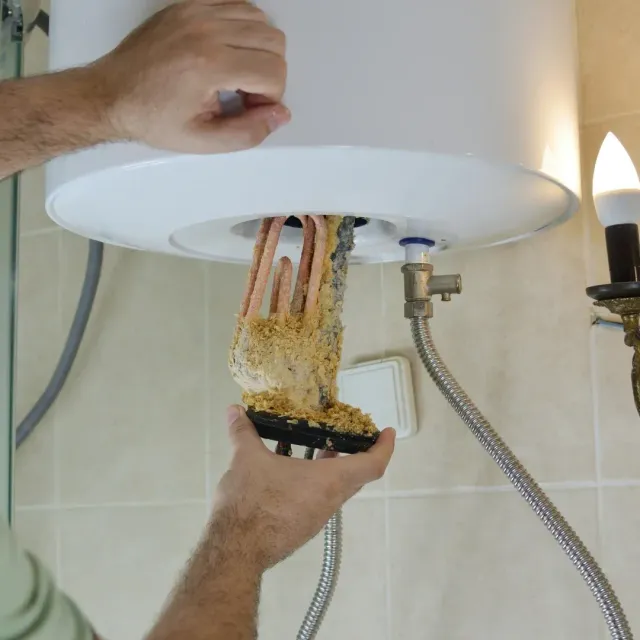
Hard water problems in the water heater
July 9, 2026
Learn the warning signs of water heater problems and call Prompt Property Services at 480-207-8514 for water heater repair in Mesa, AZ.
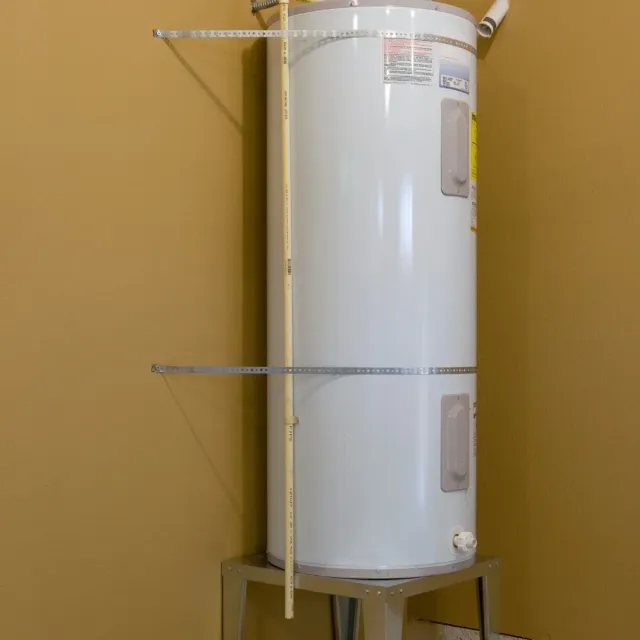
White water heater tank with metal support bars against a tan wall.
July 9, 2026
Compare tank vs. tankless water heaters for Mesa homes. Learn costs, pros, cons, and how to choose the best option. Call Prompt Property Services today.
Hands using red-handled pliers to tighten a metal pipe clamp on a chrome plumbing pipe.
June 23, 2026
Learn common plumbing repair signs in Mesa, AZ, from leaks to low pressure. Call Prompt Property Services at 480-207-8514 for East Valley repair.
Hands fixing a white sink drain while water pours into a bucket underneath
June 23, 2026
Need same-day plumbing help in Mesa, AZ? Learn what to do during an urgent plumbing issue and call Prompt Property Services at 480-207-8514 for fast service.
Blank white screen
Whole-Home Water Filtration vs. Reverse Osmosis: What Mesa Homeowners Should Know
September 7, 2026

Share this article

When Should Mesa Homeowners Call a Plumber for Plumbing Repair?

If you are weighing water filtration vs reverse osmosis in Mesa, here is the short answer: whole-home filtration treats every drop of water entering your house, while reverse osmosis polishes the water at one tap you drink from. They fix different problems, which is why plenty of Mesa homes end up using both.


A whole home filtration system connects where the main water line enters your house, so showers, laundry, and every faucet get treated water. Reverse osmosis, on the other hand, sits under one sink and cleans a much smaller amount of water far more thoroughly. Once you understand that difference, the choice gets a lot easier.


Below, we walk through what each system does, what upkeep looks like, and how to decide which home water treatment setup your Mesa house actually needs.

Wall-mounted whole-home water filtration system with twin filter cartridges installed in a Mesa, AZ utility room

Water Filtration vs. Reverse Osmosis in Mesa: Side-by-Side

Whole-Home Filtration Reverse Osmosis
Where it installs At the main water line Under the kitchen sink
What it treats Every tap, shower, and appliance One dedicated drinking tap
Best at removing Chlorine taste and smell, sediment, rust, sand Dissolved minerals, sodium, lead, arsenic, nitrates
Wastewater None Sends some water down the drain
Typical upkeep Filter swaps every 6 to 12 months, media every few years Filters yearly, membrane every 2 to 5 years
Softens hard water? No, not on its own Only at that one tap

So if your goal is better water everywhere, filtration wins. If your goal is clean drinking water at the kitchen tap, a reverse osmosis system wins.

Tank water heaters store hot water in a large tank, while tankless water heaters heat water only when you need it. Both can work well in Mesa homes, but they solve different problems.

Plumbing Risk Preventive Action
Hidden leak Check cabinets, toilets, appliances, and the water meter
Burst supply line Inspect for corrosion, bulging, cracks, and dampness
Drain backup Investigate recurring slow or gurgling drains
Water heater leak Watch for moisture, corrosion, noise, and rusty water
Hard-water buildup Clean aerators and maintain water-treatment equipment
Uncontrolled water Locate accessible shutoff valves and have stiff or corroded valves evaluated

What Whole-Home Filtration Actually Does in a Mesa House

Whole-home filtration improves the water you use, not just the water you drink. Since it treats water before it splits off to the rest of your plumbing, you notice the difference in places a drinking filter never reaches.


Here is what most homeowners report after installation:

  • Showers that no longer smell like chlorine
  • Less sediment and grit collecting in faucet aerators
  • Cleaner laundry with less dinginess over time
  • Fewer stains in sinks, tubs, and toilets


There is a good reason chlorine comes up so often here. Mesa disinfects with chlorine dioxide, and the city notes that an activated carbon filter will remove those chlorine compounds before they can create the odd chemical odors some homeowners smell at the tap.


One important thing to know: filtration is not softening. Filters remove particles and chemicals, but they do not pull out the calcium and magnesium that leave white crust on your fixtures. For that, you need water softeners working alongside your filter.

Hardness minerals and soap residue can make towels, clothing, and bedding feel stiff after washing. Reducing these minerals may help fabrics rinse more thoroughly and feel less rough.

How Reverse Osmosis Delivers Clean Drinking Water in Mesa, AZ

Reverse osmosis pushes water through a membrane with openings so small that dissolved minerals, metals, and salts get left behind. That is a big step up from a pitcher filter or a fridge filter, both of which mostly handle taste and chlorine.


RO is worth considering when you want to reduce:

  1. Total dissolved solids, which is what makes water taste flat or slightly salty
  2. Lead, since the EPA points to reverse osmosis and distillation units as effective options for reducing it at the tap
  3. Sodium added by a softener, which matters if anyone in your home watches their salt intake
  4. Naturally occurring minerals that survive city treatment


That third point deserves a closer look. According to the City of Mesa, softening adds roughly 8 mg of sodium per liter for every grain of hardness removed. In a home with 12 grain water, that works out to about 96 mg per liter. RO at the kitchen sink gives you drinking water without that added sodium, which is why softeners and RO systems pair so well.

Mesa Water: What You Are Actually Treating

Mesa's water is safe and meets federal standards, but it is genuinely mineral-heavy. The city reports that water hardness in Mesa ranges from 12 to 22 grains per gallon depending on which source serves your neighborhood. Anything above 10.5 grains counts as very hard.


Your exact numbers depend on where you live, because Mesa splits its supply between treated surface water and groundwater wells. Homes on well-fed zones in east Mesa typically see the higher end of that range.


For the full picture, you can pull your address's details from the city's annual Water Quality Report. Those numbers are the starting point for any home water treatment decision, and we are happy to walk through them with you during a visit anywhere in Mesa and the East Valley.

Plumber holding filter cartridges and a glass of clean drinking water beside an under-sink reverse osmosis system in Mesa, AZ

Which System Should You Choose?

The water filtration vs reverse osmosis question gets easier once you know what you are solving for. Work through these in order, and the answer usually becomes obvious.


  1. What bothers you most? If it is taste at the kitchen sink, start with RO. If it is smell in the shower or grit in your fixtures, start with whole-home filtration.
  2. Are you seeing white buildup? Scale on faucets, shower doors, and inside appliances points to hardness, not filtration. A softener belongs in your plan, and it also protects your equipment. Hard water is one of the main reasons water heaters fail early in Mesa, because minerals settle into sediment at the bottom of the tank.
  3. How much water needs treating? RO produces a few gallons a day. That is plenty for drinking, cooking, coffee, and ice, but nowhere near enough for showers or laundry.
  4. What is your budget for upkeep? Filtration costs less to maintain year to year. RO costs a bit more per gallon treated, though it does far more per gallon.

Can You Use Both?

Yes, and it is often the smartest home water treatment setup in Mesa. The three systems handle separate jobs, so they complement each other rather than overlap.


A common configuration looks like this:

  • Whole-home filter first, catching sediment and chlorine before anything else
  • Softener second, protecting your water heater, pipes, and appliances from scale
  • RO at the kitchen sink, finishing the water you actually drink


Installing them in the right order matters. A filter placed ahead of your softener keeps chlorine away from the softener's resin, which helps it last longer. Getting that sequence wrong is one of the more common problems we find in homes with existing equipment.

FAQs About Water Filtration and Reverse Osmosis

  • Does whole-home filtration remove hard water minerals?

    No. Filtration removes sediment, chlorine, and other contaminants, but calcium and magnesium pass right through. You need a softener to address hardness.

  • Is reverse osmosis water safe to drink long term?

    Yes. RO water is safe for daily drinking and cooking, and it is one of the most reliable ways to get clean drinking water in Mesa, AZ. It contains fewer dissolved minerals than tap water, though most people get the bulk of their minerals from food rather than water.

  • How much water does an RO system waste?

    Older systems sent several gallons to the drain for every gallon produced. Newer high-efficiency models cut that ratio significantly, so ask about efficiency before you buy.

  • Will a fridge or pitcher filter do the same job?

    Not really. Those filters improve taste and reduce chlorine, but they treat a tiny fraction of your household water and do not remove dissolved solids the way RO does.

  • How often do these systems need service?

    Plan on filter changes every 6 to 12 months for whole-home units and yearly for RO pre-filters, with the RO membrane replaced every 2 to 5 years. Skipping service is the fastest way to lose performance.

Get Straight Answers About Your Water

You should not have to guess which system your home needs. Our team looks at your actual water, your plumbing layout, and what is bothering you, then recommends only what makes sense.


Call Prompt Property Services at (480) 207-8514 to schedule home water treatment service in Mesa, AZ.

Recent Posts

Corroded under-sink pipe dripping water in a Mesa, AZ home
September 7, 2026
Learn the 7 leak detection signs that point to a hidden water leak in Mesa homes. Call Prompt Property Services at (480) 207-8514 for water leak repair in Mesa.
Water softener system installed in Mesa, AZ
August 7, 2026
Learn how a water softener can reduce scale, spots, soap scum, and mineral buildup in Mesa homes. Call 480-207-8514 for installation.
Fixing a plumbing problem under the sink in Mesa, AZ
August 7, 2026
Prevent plumbing emergencies in your Mesa home with a monthly checklist, early warning signs, hard-water tips, shutoff guidance, and maintenance advice.
Hard water problems in the water heater
July 9, 2026
Learn the warning signs of water heater problems and call Prompt Property Services at 480-207-8514 for water heater repair in Mesa, AZ.
White water heater tank with metal support bars against a tan wall.
July 9, 2026
Compare tank vs. tankless water heaters for Mesa homes. Learn costs, pros, cons, and how to choose the best option. Call Prompt Property Services today.
Hands using red-handled pliers to tighten a metal pipe clamp on a chrome plumbing pipe.
June 23, 2026
Learn common plumbing repair signs in Mesa, AZ, from leaks to low pressure. Call Prompt Property Services at 480-207-8514 for East Valley repair.
Hands fixing a white sink drain while water pours into a bucket underneath
June 23, 2026
Need same-day plumbing help in Mesa, AZ? Learn what to do during an urgent plumbing issue and call Prompt Property Services at 480-207-8514 for fast service.
Blank white screen

Whole-Home Water Filtration vs. Reverse Osmosis: What Mesa Homeowners Should Know

September 7, 2026

Share this article

When Should Mesa Homeowners Call a Plumber for Plumbing Repair?

If you are weighing water filtration vs reverse osmosis in Mesa, here is the short answer: whole-home filtration treats every drop of water entering your house, while reverse osmosis polishes the water at one tap you drink from. They fix different problems, which is why plenty of Mesa homes end up using both.


A whole home filtration system connects where the main water line enters your house, so showers, laundry, and every faucet get treated water. Reverse osmosis, on the other hand, sits under one sink and cleans a much smaller amount of water far more thoroughly. Once you understand that difference, the choice gets a lot easier.


Below, we walk through what each system does, what upkeep looks like, and how to decide which home water treatment setup your Mesa house actually needs.

Wall-mounted whole-home water filtration system with twin filter cartridges installed in a Mesa, AZ utility room

Water Filtration vs. Reverse Osmosis in Mesa: Side-by-Side

Whole-Home Filtration Reverse Osmosis
Where it installs At the main water line Under the kitchen sink
What it treats Every tap, shower, and appliance One dedicated drinking tap
Best at removing Chlorine taste and smell, sediment, rust, sand Dissolved minerals, sodium, lead, arsenic, nitrates
Wastewater None Sends some water down the drain
Typical upkeep Filter swaps every 6 to 12 months, media every few years Filters yearly, membrane every 2 to 5 years
Softens hard water? No, not on its own Only at that one tap

So if your goal is better water everywhere, filtration wins. If your goal is clean drinking water at the kitchen tap, a reverse osmosis system wins.

Tank water heaters store hot water in a large tank, while tankless water heaters heat water only when you need it. Both can work well in Mesa homes, but they solve different problems.

Plumbing Risk Preventive Action
Hidden leak Check cabinets, toilets, appliances, and the water meter
Burst supply line Inspect for corrosion, bulging, cracks, and dampness
Drain backup Investigate recurring slow or gurgling drains
Water heater leak Watch for moisture, corrosion, noise, and rusty water
Hard-water buildup Clean aerators and maintain water-treatment equipment
Uncontrolled water Locate accessible shutoff valves and have stiff or corroded valves evaluated

What Whole-Home Filtration Actually Does in a Mesa House

Whole-home filtration improves the water you use, not just the water you drink. Since it treats water before it splits off to the rest of your plumbing, you notice the difference in places a drinking filter never reaches.


Here is what most homeowners report after installation:

  • Showers that no longer smell like chlorine
  • Less sediment and grit collecting in faucet aerators
  • Cleaner laundry with less dinginess over time
  • Fewer stains in sinks, tubs, and toilets


There is a good reason chlorine comes up so often here. Mesa disinfects with chlorine dioxide, and the city notes that an activated carbon filter will remove those chlorine compounds before they can create the odd chemical odors some homeowners smell at the tap.


One important thing to know: filtration is not softening. Filters remove particles and chemicals, but they do not pull out the calcium and magnesium that leave white crust on your fixtures. For that, you need water softeners working alongside your filter.

Hardness minerals and soap residue can make towels, clothing, and bedding feel stiff after washing. Reducing these minerals may help fabrics rinse more thoroughly and feel less rough.

How Reverse Osmosis Delivers Clean Drinking Water in Mesa, AZ

Reverse osmosis pushes water through a membrane with openings so small that dissolved minerals, metals, and salts get left behind. That is a big step up from a pitcher filter or a fridge filter, both of which mostly handle taste and chlorine.


RO is worth considering when you want to reduce:

  1. Total dissolved solids, which is what makes water taste flat or slightly salty
  2. Lead, since the EPA points to reverse osmosis and distillation units as effective options for reducing it at the tap
  3. Sodium added by a softener, which matters if anyone in your home watches their salt intake
  4. Naturally occurring minerals that survive city treatment


That third point deserves a closer look. According to the City of Mesa, softening adds roughly 8 mg of sodium per liter for every grain of hardness removed. In a home with 12 grain water, that works out to about 96 mg per liter. RO at the kitchen sink gives you drinking water without that added sodium, which is why softeners and RO systems pair so well.

Mesa Water: What You Are Actually Treating

Mesa's water is safe and meets federal standards, but it is genuinely mineral-heavy. The city reports that water hardness in Mesa ranges from 12 to 22 grains per gallon depending on which source serves your neighborhood. Anything above 10.5 grains counts as very hard.


Your exact numbers depend on where you live, because Mesa splits its supply between treated surface water and groundwater wells. Homes on well-fed zones in east Mesa typically see the higher end of that range.


For the full picture, you can pull your address's details from the city's annual Water Quality Report. Those numbers are the starting point for any home water treatment decision, and we are happy to walk through them with you during a visit anywhere in Mesa and the East Valley.

Plumber holding filter cartridges and a glass of clean drinking water beside an under-sink reverse osmosis system in Mesa, AZ

Which System Should You Choose?

The water filtration vs reverse osmosis question gets easier once you know what you are solving for. Work through these in order, and the answer usually becomes obvious.


  1. What bothers you most? If it is taste at the kitchen sink, start with RO. If it is smell in the shower or grit in your fixtures, start with whole-home filtration.
  2. Are you seeing white buildup? Scale on faucets, shower doors, and inside appliances points to hardness, not filtration. A softener belongs in your plan, and it also protects your equipment. Hard water is one of the main reasons water heaters fail early in Mesa, because minerals settle into sediment at the bottom of the tank.
  3. How much water needs treating? RO produces a few gallons a day. That is plenty for drinking, cooking, coffee, and ice, but nowhere near enough for showers or laundry.
  4. What is your budget for upkeep? Filtration costs less to maintain year to year. RO costs a bit more per gallon treated, though it does far more per gallon.

Can You Use Both?

Yes, and it is often the smartest home water treatment setup in Mesa. The three systems handle separate jobs, so they complement each other rather than overlap.


A common configuration looks like this:

  • Whole-home filter first, catching sediment and chlorine before anything else
  • Softener second, protecting your water heater, pipes, and appliances from scale
  • RO at the kitchen sink, finishing the water you actually drink


Installing them in the right order matters. A filter placed ahead of your softener keeps chlorine away from the softener's resin, which helps it last longer. Getting that sequence wrong is one of the more common problems we find in homes with existing equipment.

FAQs About Water Filtration and Reverse Osmosis

  • Does whole-home filtration remove hard water minerals?

    No. Filtration removes sediment, chlorine, and other contaminants, but calcium and magnesium pass right through. You need a softener to address hardness.

  • Is reverse osmosis water safe to drink long term?

    Yes. RO water is safe for daily drinking and cooking, and it is one of the most reliable ways to get clean drinking water in Mesa, AZ. It contains fewer dissolved minerals than tap water, though most people get the bulk of their minerals from food rather than water.

  • How much water does an RO system waste?

    Older systems sent several gallons to the drain for every gallon produced. Newer high-efficiency models cut that ratio significantly, so ask about efficiency before you buy.

  • Will a fridge or pitcher filter do the same job?

    Not really. Those filters improve taste and reduce chlorine, but they treat a tiny fraction of your household water and do not remove dissolved solids the way RO does.

  • How often do these systems need service?

    Plan on filter changes every 6 to 12 months for whole-home units and yearly for RO pre-filters, with the RO membrane replaced every 2 to 5 years. Skipping service is the fastest way to lose performance.

Get Straight Answers About Your Water

You should not have to guess which system your home needs. Our team looks at your actual water, your plumbing layout, and what is bothering you, then recommends only what makes sense.


Call Prompt Property Services at (480) 207-8514 to schedule home water treatment service in Mesa, AZ.

Recent Posts

Corroded under-sink pipe dripping water in a Mesa, AZ home
September 7, 2026
Learn the 7 leak detection signs that point to a hidden water leak in Mesa homes. Call Prompt Property Services at (480) 207-8514 for water leak repair in Mesa.
Water softener system installed in Mesa, AZ
August 7, 2026
Learn how a water softener can reduce scale, spots, soap scum, and mineral buildup in Mesa homes. Call 480-207-8514 for installation.
Fixing a plumbing problem under the sink in Mesa, AZ
August 7, 2026
Prevent plumbing emergencies in your Mesa home with a monthly checklist, early warning signs, hard-water tips, shutoff guidance, and maintenance advice.
Hard water problems in the water heater
July 9, 2026
Learn the warning signs of water heater problems and call Prompt Property Services at 480-207-8514 for water heater repair in Mesa, AZ.
White water heater tank with metal support bars against a tan wall.
July 9, 2026
Compare tank vs. tankless water heaters for Mesa homes. Learn costs, pros, cons, and how to choose the best option. Call Prompt Property Services today.
Hands using red-handled pliers to tighten a metal pipe clamp on a chrome plumbing pipe.
June 23, 2026
Learn common plumbing repair signs in Mesa, AZ, from leaks to low pressure. Call Prompt Property Services at 480-207-8514 for East Valley repair.
Hands fixing a white sink drain while water pours into a bucket underneath
June 23, 2026
Need same-day plumbing help in Mesa, AZ? Learn what to do during an urgent plumbing issue and call Prompt Property Services at 480-207-8514 for fast service.