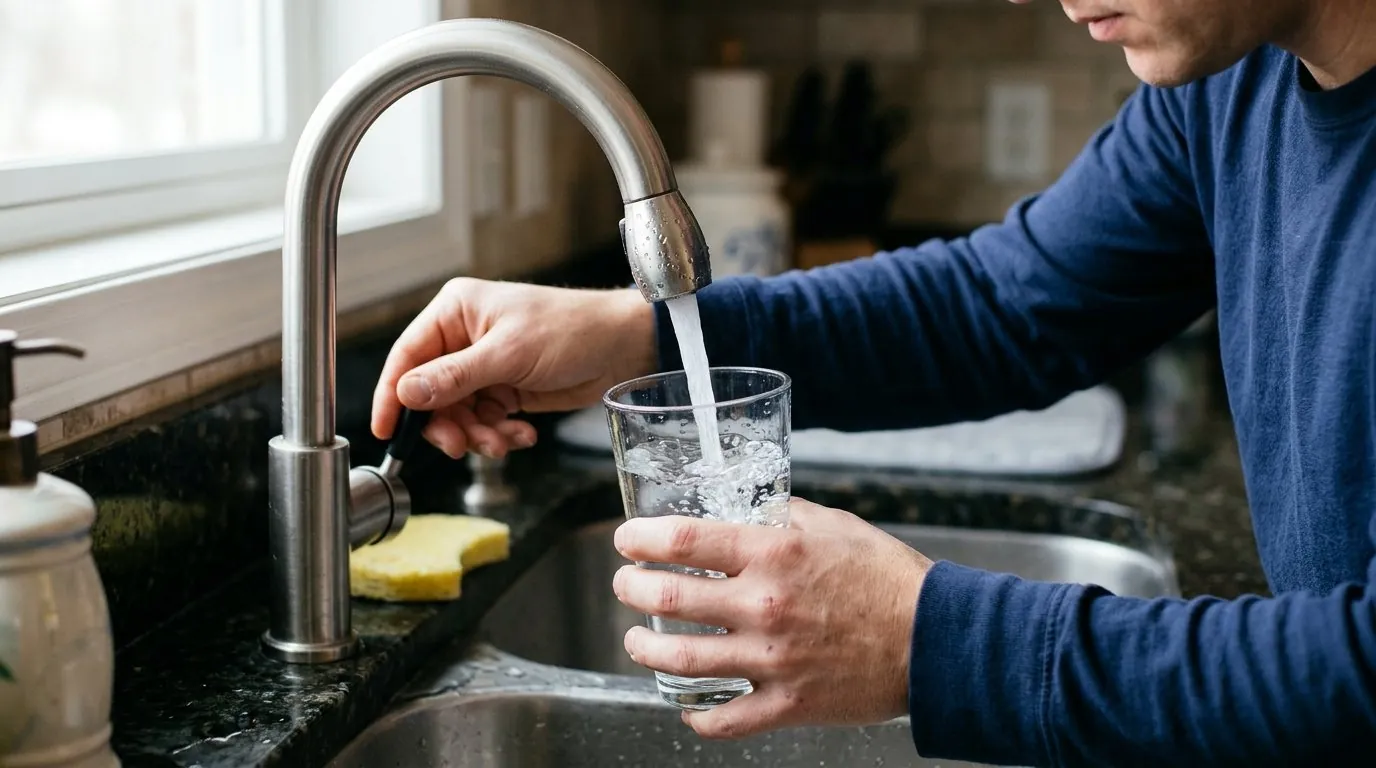
See what actually changes at a Mesa kitchen tap after a reverse osmosis install, what it will not fix, and what the yearly upkeep really looks like.
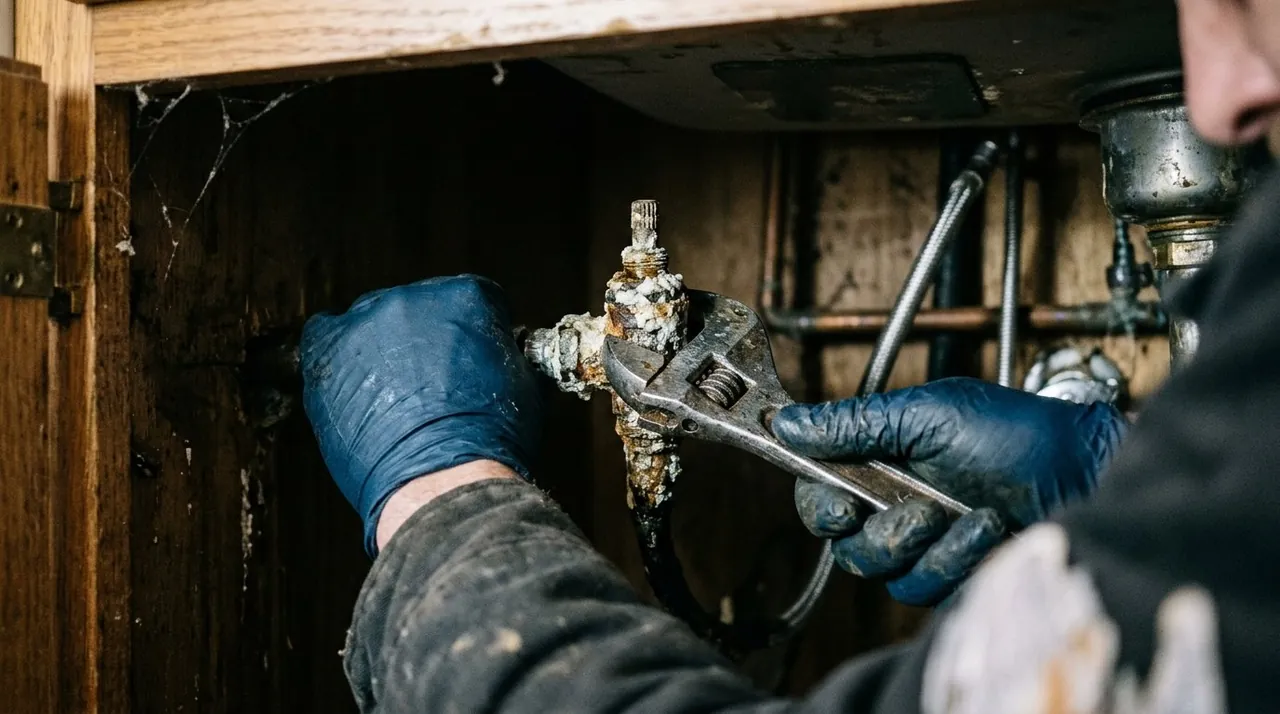
See how hard water damages showers, faucets, and appliances in Mesa homes and how to stop it. Call Prompt Property Services at (480) 207-8514.
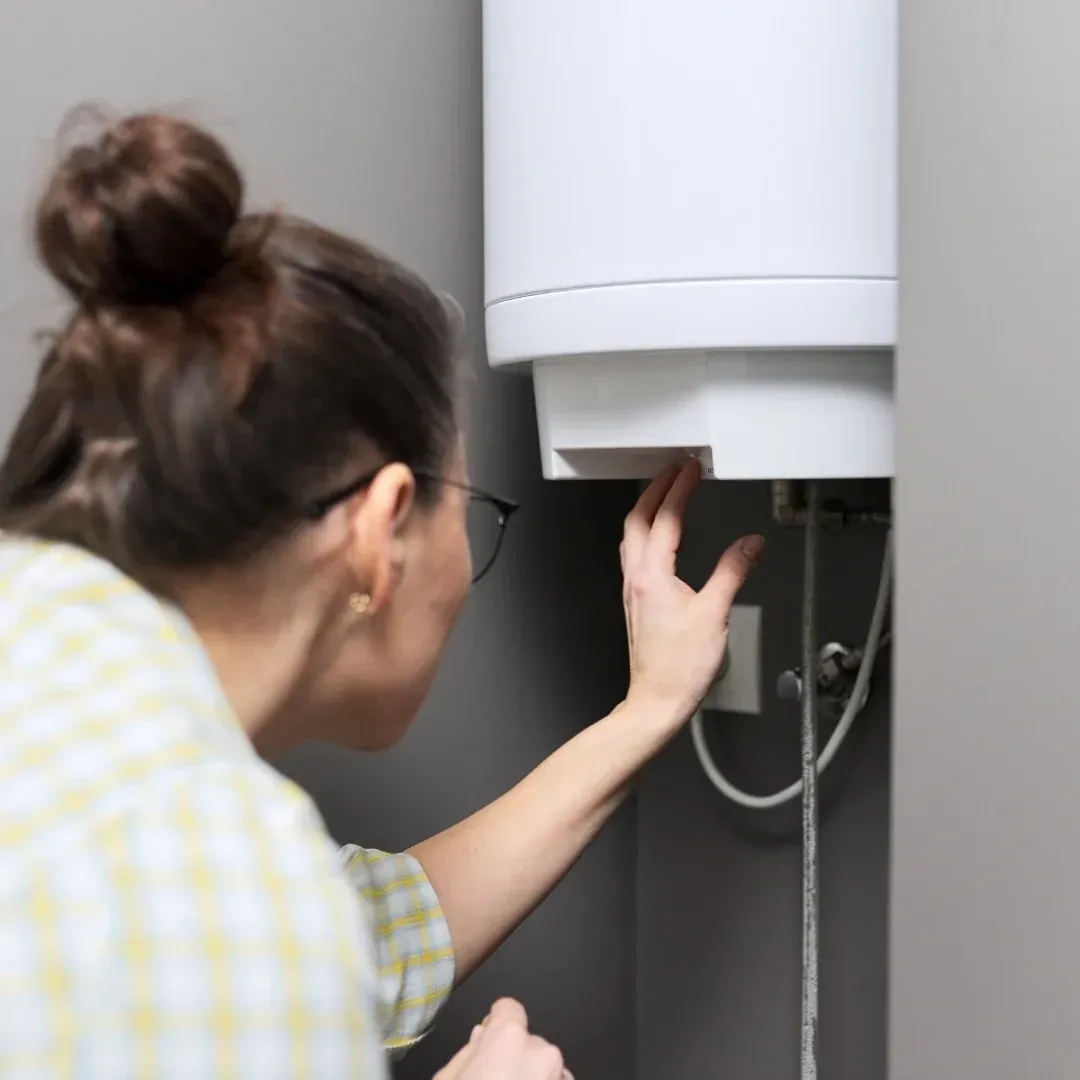
Popping, rumbling, or screeching water heater? Learn what a noisy water heater in Mesa means and call Prompt Property Services at (480) 207-8514.
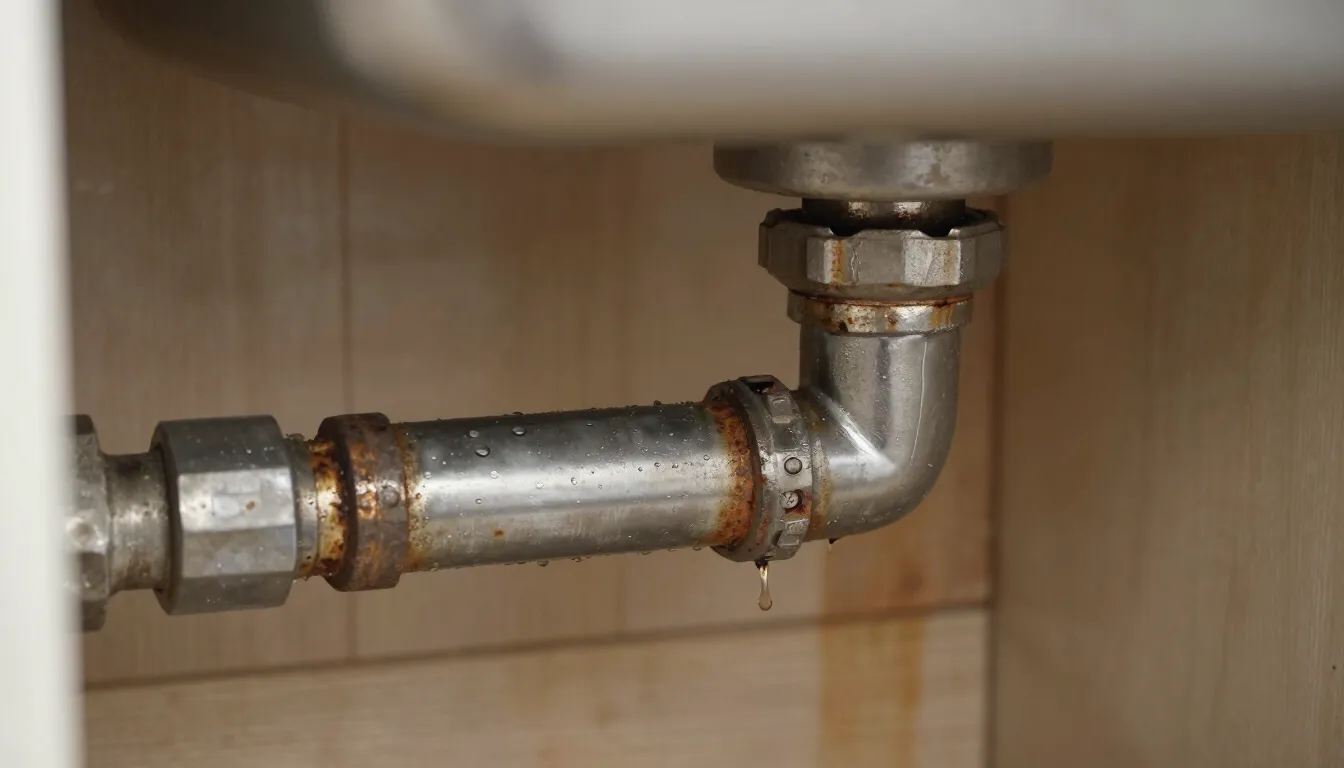
Learn the 7 leak detection signs that point to a hidden water leak in Mesa homes. Call Prompt Property Services at (480) 207-8514 for water leak repair in Mesa.
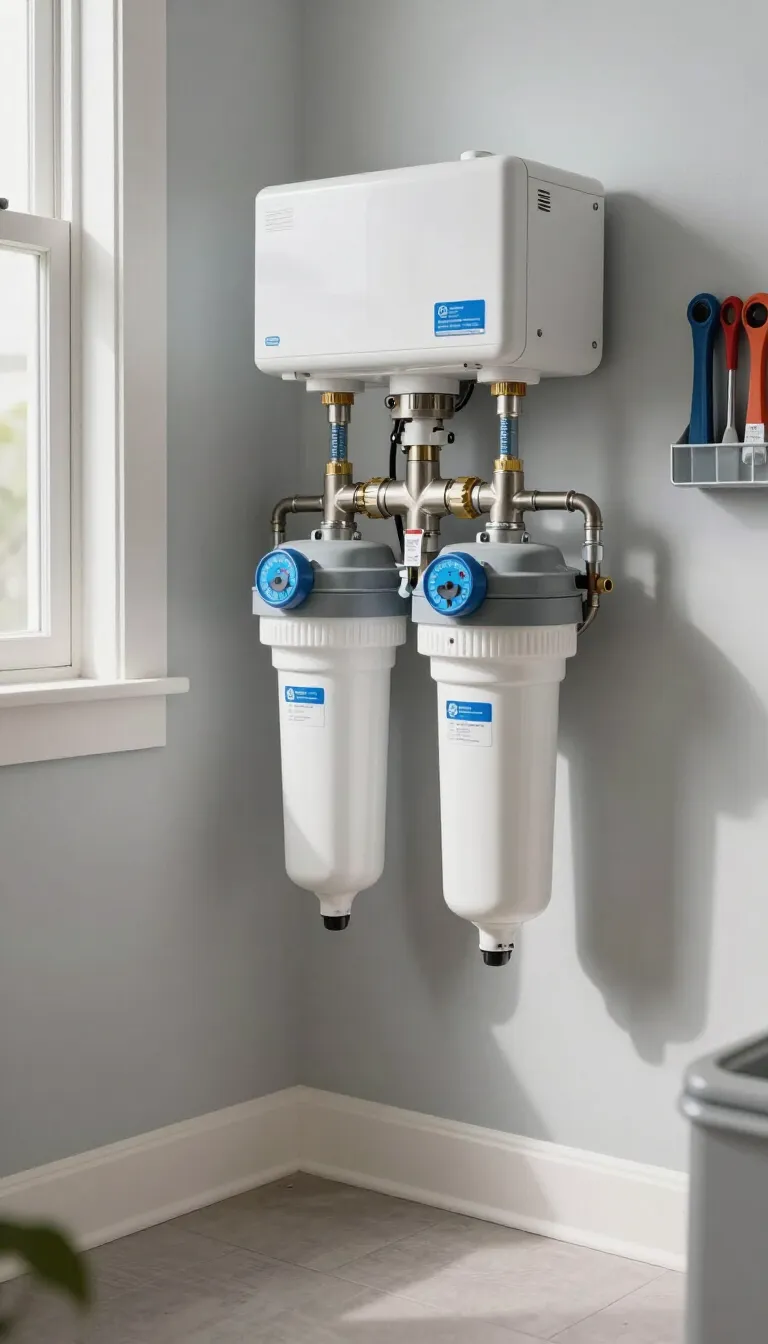
Compare whole-home water filtration vs reverse osmosis in Mesa, AZ. See which system fits your home, then call Prompt Property Services at (480) 207-8514.
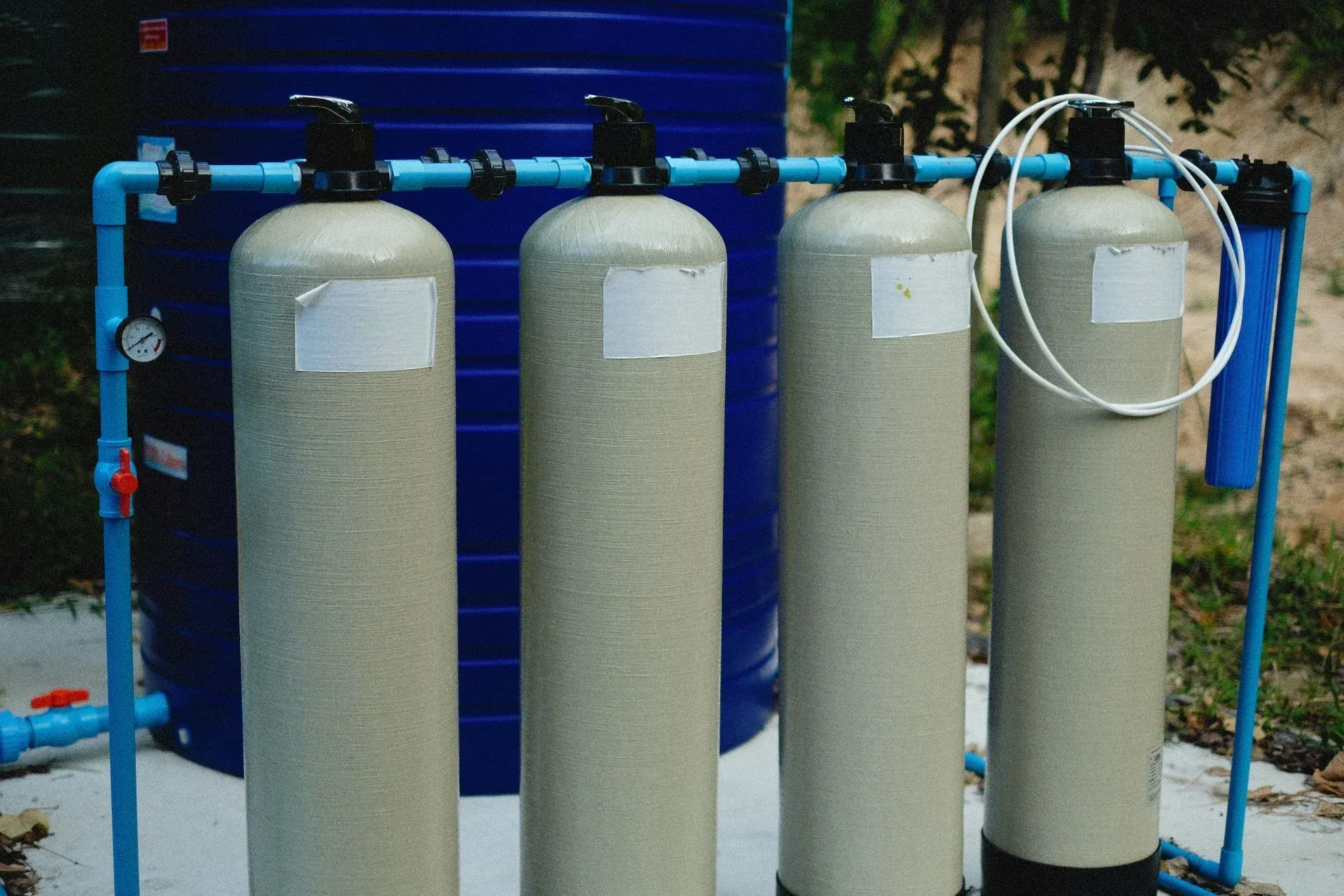
Learn how a water softener can reduce scale, spots, soap scum, and mineral buildup in Mesa homes. Call 480-207-8514 for installation.
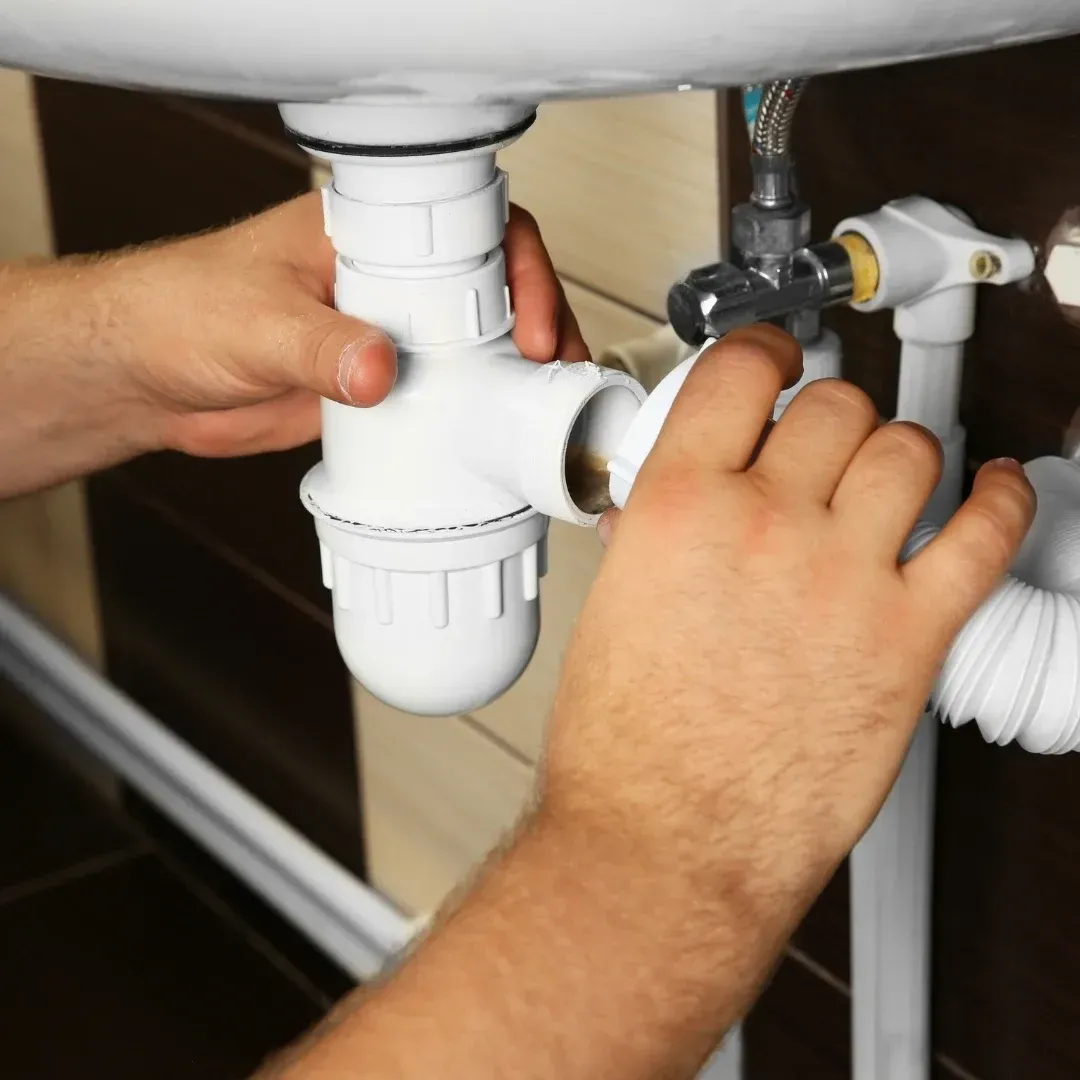
Prevent plumbing emergencies in your Mesa home with a monthly checklist, early warning signs, hard-water tips, shutoff guidance, and maintenance advice.
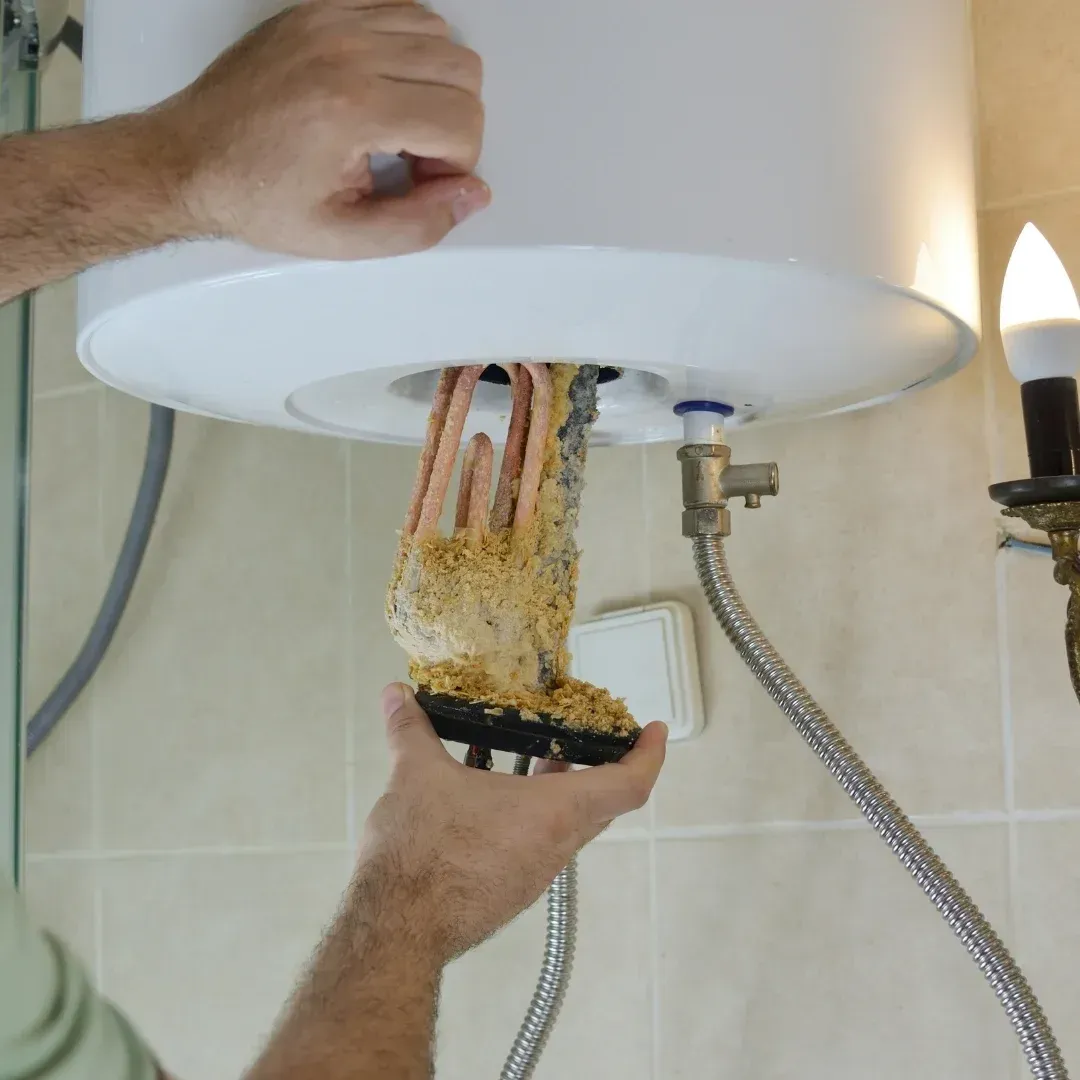
Learn the warning signs of water heater problems and call Prompt Property Services at 480-207-8514 for water heater repair in Mesa, AZ.
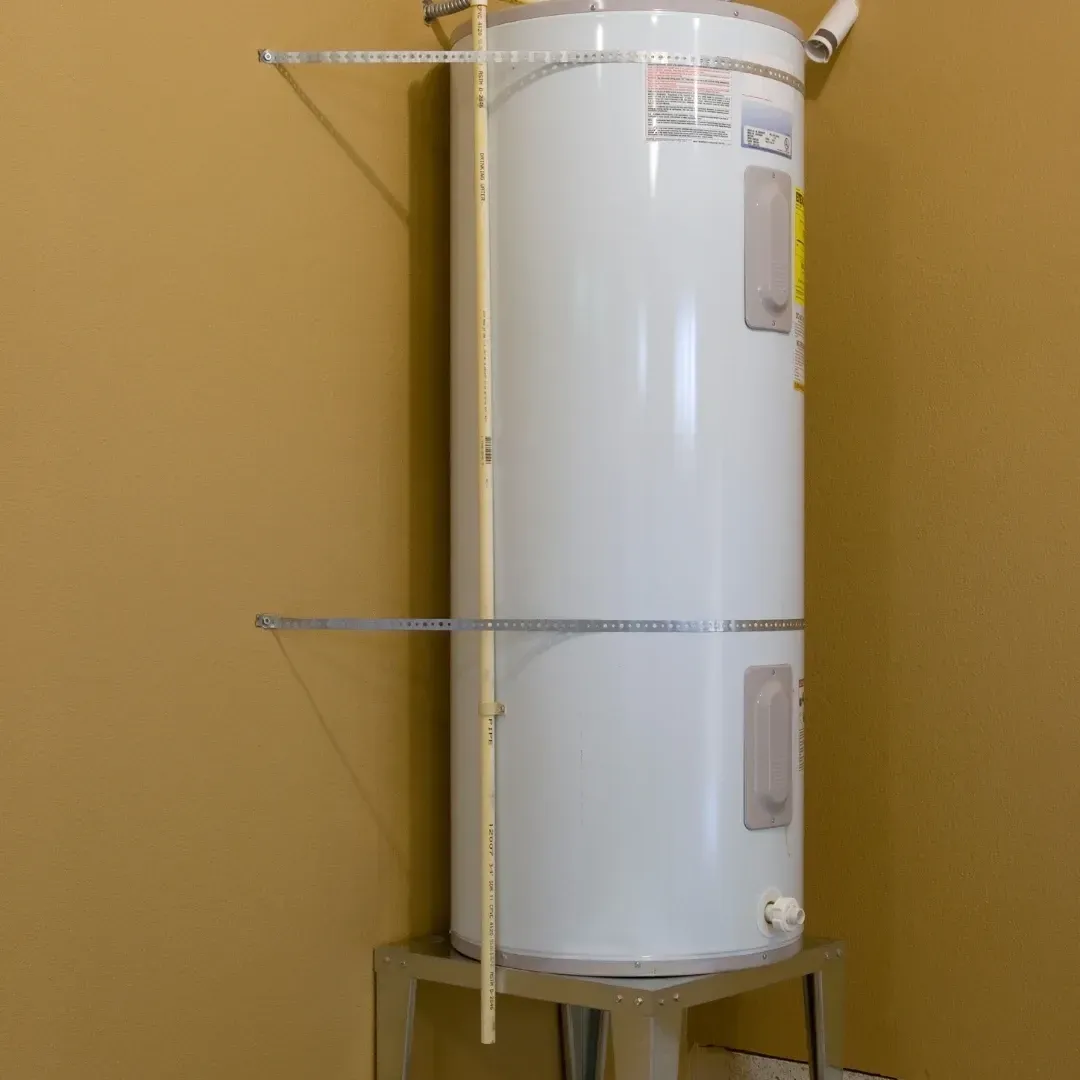
Compare tank vs. tankless water heaters for Mesa homes. Learn costs, pros, cons, and how to choose the best option. Call Prompt Property Services today.
See what actually changes at a Mesa kitchen tap after a reverse osmosis install, what it will not fix, and what the yearly upkeep really looks like.
See how hard water damages showers, faucets, and appliances in Mesa homes and how to stop it. Call Prompt Property Services at (480) 207-8514.
Popping, rumbling, or screeching water heater? Learn what a noisy water heater in Mesa means and call Prompt Property Services at (480) 207-8514.
Learn the 7 leak detection signs that point to a hidden water leak in Mesa homes. Call Prompt Property Services at (480) 207-8514 for water leak repair in Mesa.
Compare whole-home water filtration vs reverse osmosis in Mesa, AZ. See which system fits your home, then call Prompt Property Services at (480) 207-8514.
Learn how a water softener can reduce scale, spots, soap scum, and mineral buildup in Mesa homes. Call 480-207-8514 for installation.
Prevent plumbing emergencies in your Mesa home with a monthly checklist, early warning signs, hard-water tips, shutoff guidance, and maintenance advice.
Learn the warning signs of water heater problems and call Prompt Property Services at 480-207-8514 for water heater repair in Mesa, AZ.
Compare tank vs. tankless water heaters for Mesa homes. Learn costs, pros, cons, and how to choose the best option. Call Prompt Property Services today.