Blank white screen

Why Mesa Homes Benefit from a Water Softener System

August 7, 2026

Share this article

When Should Mesa Homeowners Call a Plumber for Plumbing Repair?

Mesa homes can benefit from a water softener because local water contains calcium and magnesium that leave scale, spots, and residue behind. A properly sized softener reduces these hardness minerals, helping homeowners spend less time cleaning mineral deposits while limiting scale inside fixtures and water-using equipment.


For homeowners comparing hard water solutions in Mesa, AZ, a water softener can address the source of recurring white buildup rather than only cleaning the visible residue. It can be a practical water-treatment option for Arizona homes experiencing scale, soap scum, cloudy glassware, or mineral deposits around plumbing fixtures.

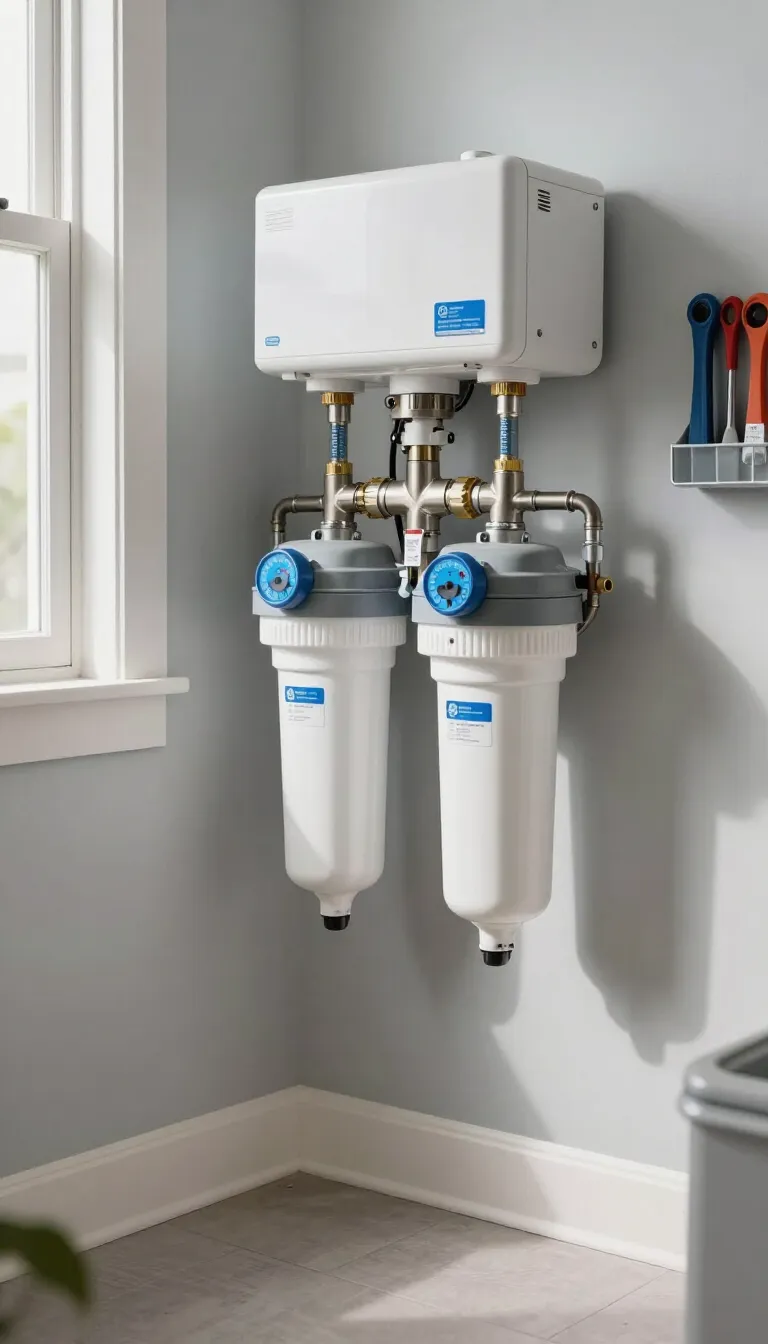
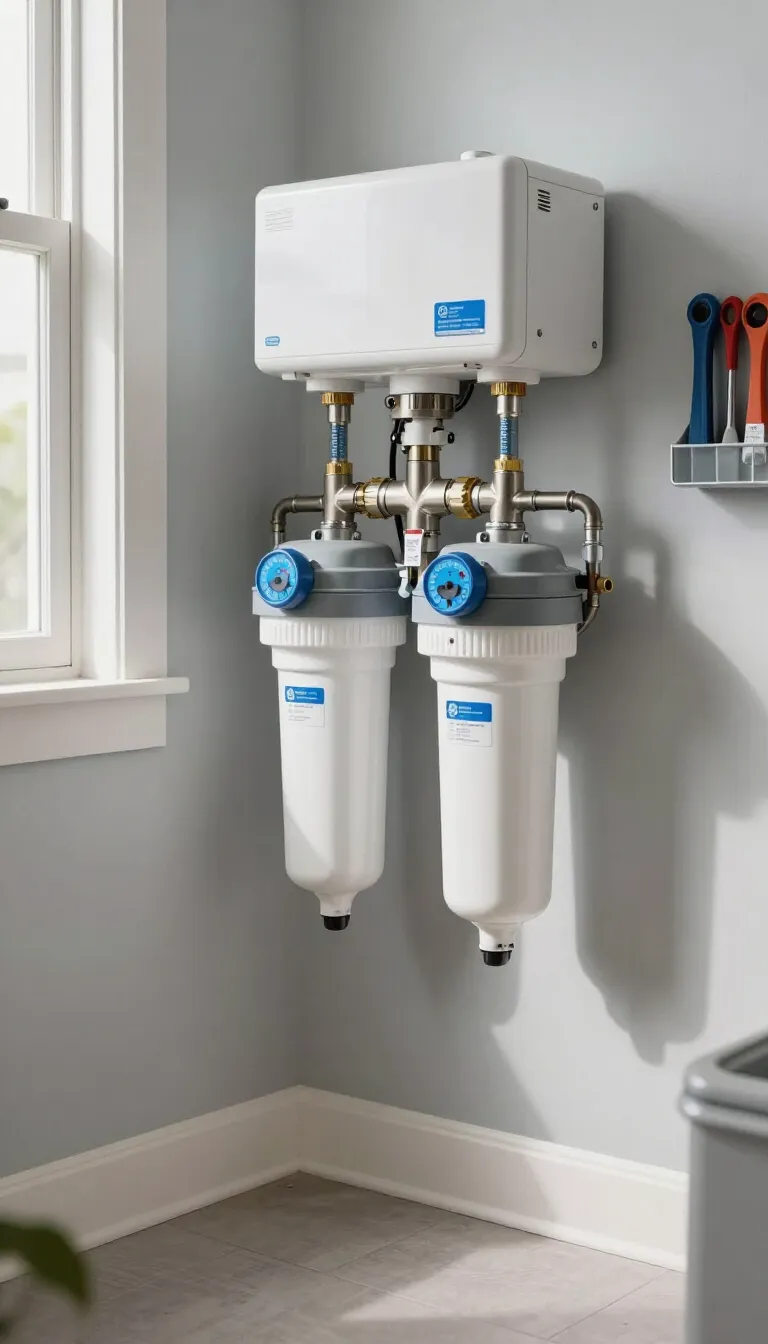
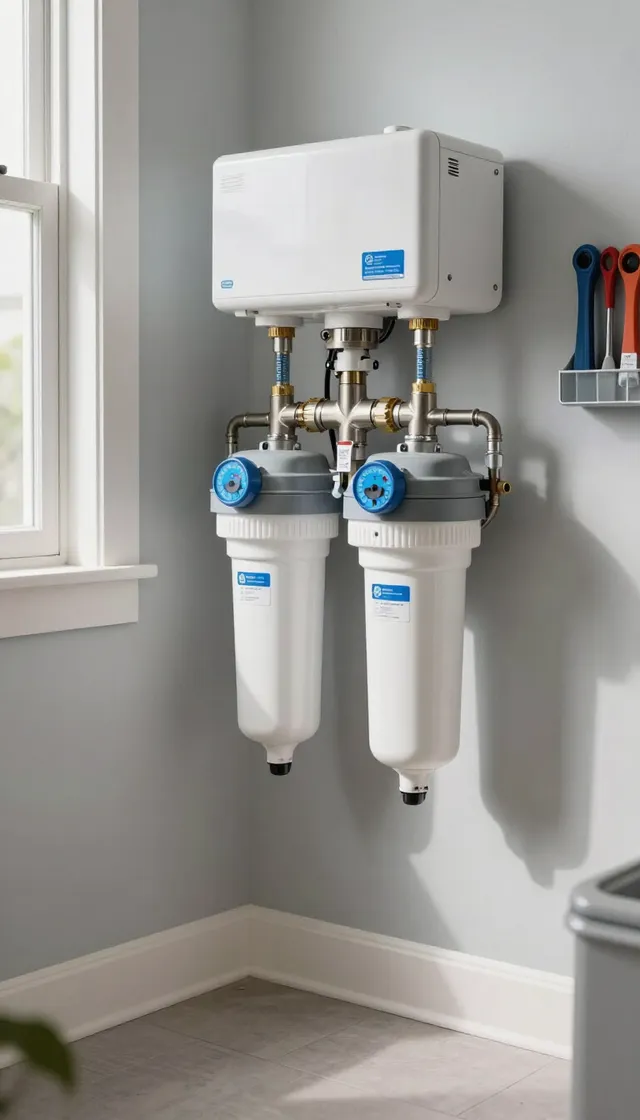
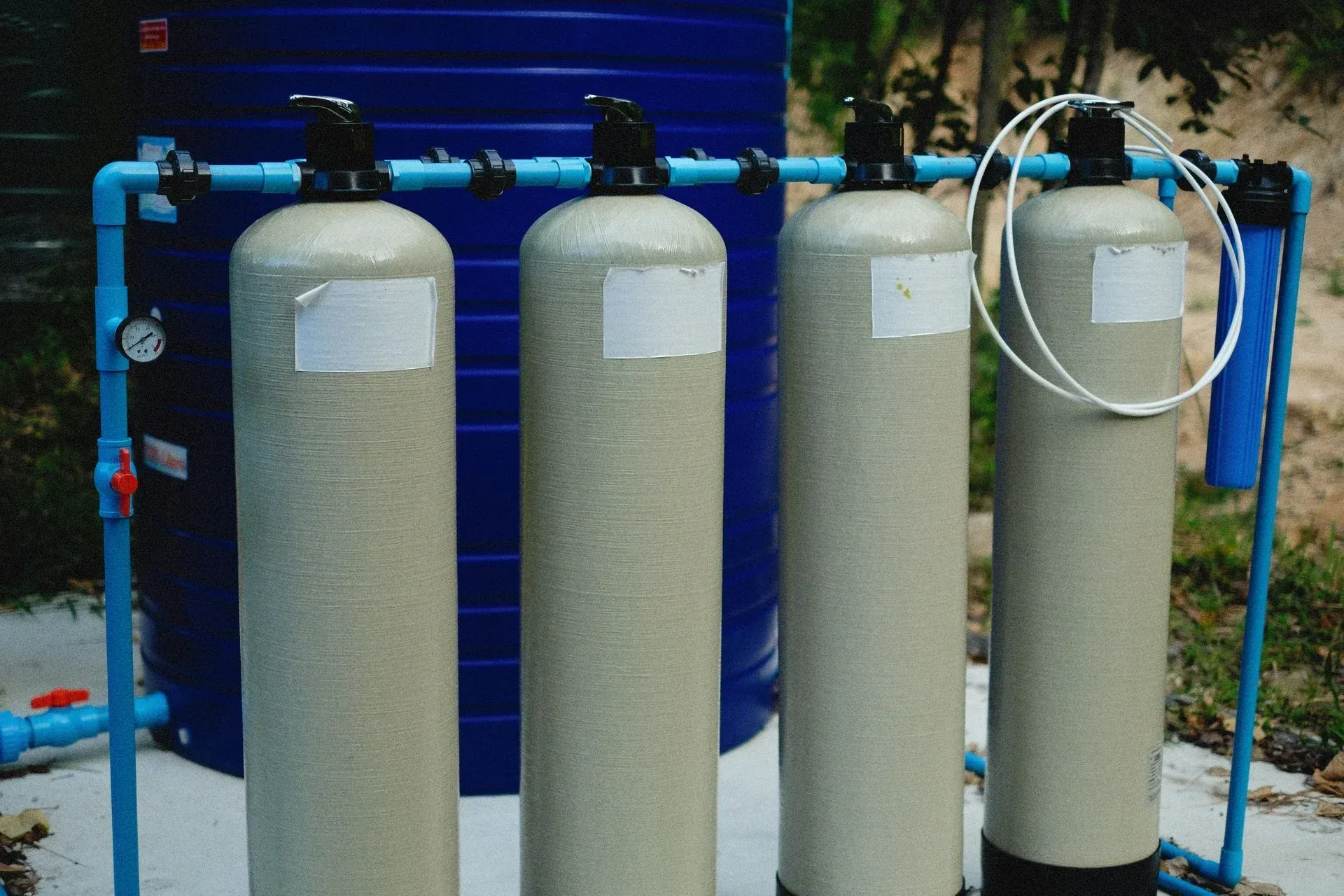
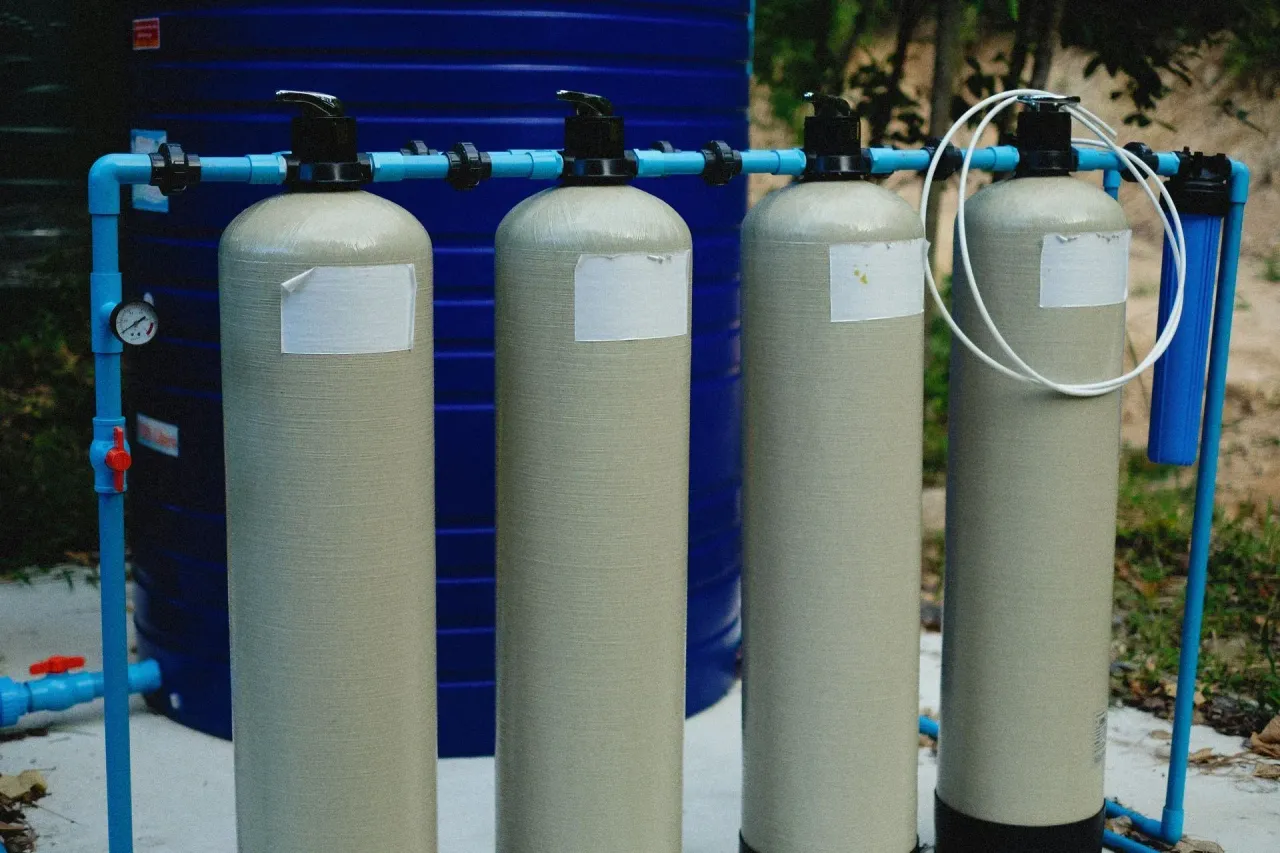
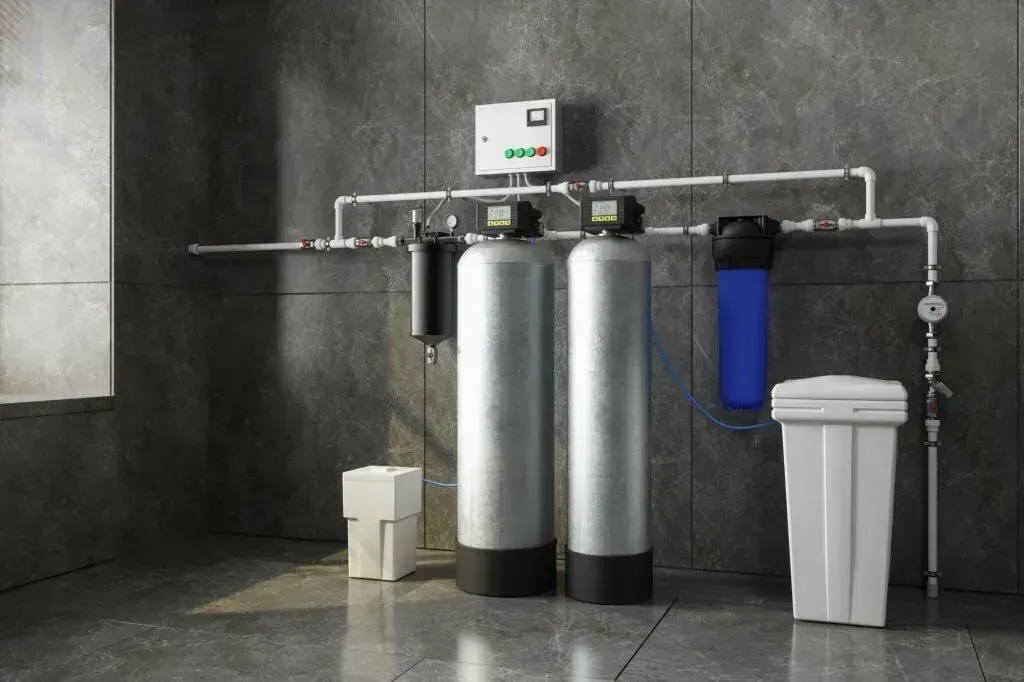
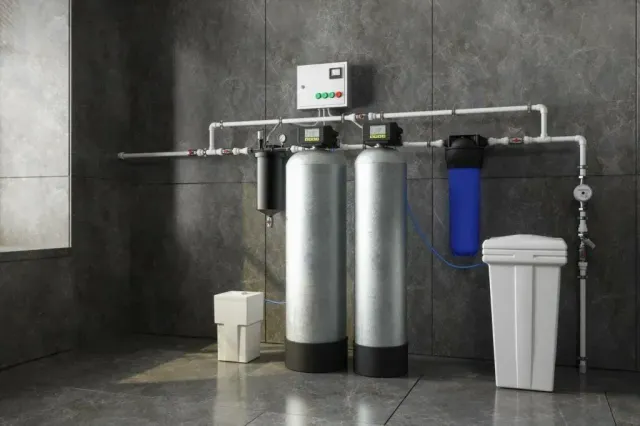
Water softener system installed in Mesa, AZ

Tank water heaters store hot water in a large tank, while tankless water heaters heat water only when you need it. Both can work well in Mesa homes, but they solve different problems.

Plumbing Risk Preventive Action
Hidden leak Check cabinets, toilets, appliances, and the water meter
Burst supply line Inspect for corrosion, bulging, cracks, and dampness
Drain backup Investigate recurring slow or gurgling drains
Water heater leak Watch for moisture, corrosion, noise, and rusty water
Hard-water buildup Clean aerators and maintain water-treatment equipment
Uncontrolled water Locate accessible shutoff valves and have stiff or corroded valves evaluated

Does Mesa Have Hard Water?

Yes. The City of Mesa reports that local water hardness ranges from 12 to 22 grains per gallon, depending on which water source serves a particular area.


Hard water contains dissolved calcium and magnesium. When water evaporates or is heated, these minerals can remain on surfaces or form scale inside plumbing fixtures and equipment.


Common signs of hard water include:

  • White deposits around faucets and showerheads
  • Spots or cloudy film on glassware
  • Scale on glass shower doors
  • Soap scum in sinks, tubs, and showers
  • Aerators that clog repeatedly
  • Mineral residue around appliance connections
  • Buildup inside water heaters and coffee makers


Hardness should not be confused with unsafe drinking water. Mesa states that its water meets applicable state and federal drinking-water standards, while describing hardness as a household cleaning and maintenance concern.

How Does a Water Softener Work?

A traditional water softener uses ion exchange to reduce calcium and magnesium in the water. Water passes through resin beads that capture these hardness minerals and exchange them for sodium or, in some systems, potassium ions.


A salt-based system must periodically regenerate, which cleans and recharges the resin. Homeowners add salt or potassium chloride to the brine tank so the system can continue performing this process.


The EPA’s guidance on cation-exchange water softeners recommends considering both water efficiency and salt efficiency. Demand-initiated systems regenerate according to water use or incoming hardness instead of operating only on a fixed schedule.


A water softener is also different from a water filter:

System Main Purpose Typical Household Result
Water softener Reduces calcium and magnesium Less scale, spotting, and soap scum
Whole-home filter Addresses selected sediment, odors, tastes, or other concerns Filtered water throughout the home
Reverse osmosis system Treats water at a dedicated drinking-water location Treated water for drinking and cooking

Some Mesa and East Valley homes may use more than one system because softening, filtration, and reverse osmosis address different water concerns.

What Are the Main Benefits of a Water Softener for Mesa Homes?

The main benefits of a water softener in Mesa include less mineral scale, easier cleaning, better soap performance, and reduced exposure to hardness minerals inside plumbing fixtures and appliances. The results will depend on the home’s water hardness, water use, system size, and equipment settings.

Less Scale on Faucets and Showerheads

Softened water leaves fewer calcium and magnesium deposits behind. Faucets, showerheads, sinks, and tubs may stay cleaner longer instead of developing another chalky coating shortly after being scrubbed.


For example, a homeowner who removes white crust from a showerhead every few weeks may be treating the visible symptom rather than the hard water causing it.

Cleaner Dishes and Glassware

Hard water can leave spots or a cloudy film after dishes dry. Reducing the hardness minerals can help glassware and dishes come out of the dishwasher with less visible residue.

Better Soap and Detergent Performance

According to the U.S. Geological Survey’s explanation of water hardness, calcium in hard water reacts with soap and forms soap scum. More soap or detergent may be needed before an effective lather forms.


With softened water, soaps and detergents can work more effectively. Homeowners may also notice less residue on tubs, sinks, shower walls, and other surfaces.

Softer-Feeling Laundry

Hardness minerals and soap residue can make towels, clothing, and bedding feel stiff after washing. Reducing these minerals may help fabrics rinse more thoroughly and feel less rough.

Less Scale Inside Water-Using Equipment

When hard water is heated, calcium carbonate scale can form inside water heaters and other equipment. A softener reduces the hardness minerals entering dishwashers, washing machines, water heaters, coffee makers, and plumbing fixtures.


A softener cannot repair equipment that is already leaking, corroded, or damaged. Homeowners experiencing those problems should schedule general plumbing services in Mesa for an inspection.

What Signs Suggest Your Home May Need a Water Softener?

Your home may benefit from a water softener when mineral deposits affect several rooms or return quickly after cleaning. One spotted faucet may only need cleaning, but recurring buildup throughout the home usually points to the incoming water.


Signs to watch for include:

  • Scale that quickly returns after cleaning
  • White deposits around several fixtures
  • Constantly spotted dishes and glasses
  • Cloudy residue on shower doors
  • Soap that does not lather easily
  • Recurring soap scum
  • Stiff-feeling towels and clothing
  • Clogged faucet aerators
  • Visible scale around a water heater


Some symptoms may have other causes. Low pressure, active leaks, corrosion, damp cabinets, or water stains are among the signs your Mesa home may need plumbing repair, not simply water softening.


An active leak or spreading water damage should be addressed promptly. Homeowners can review what to do when they need same-day plumbing help in Mesa.

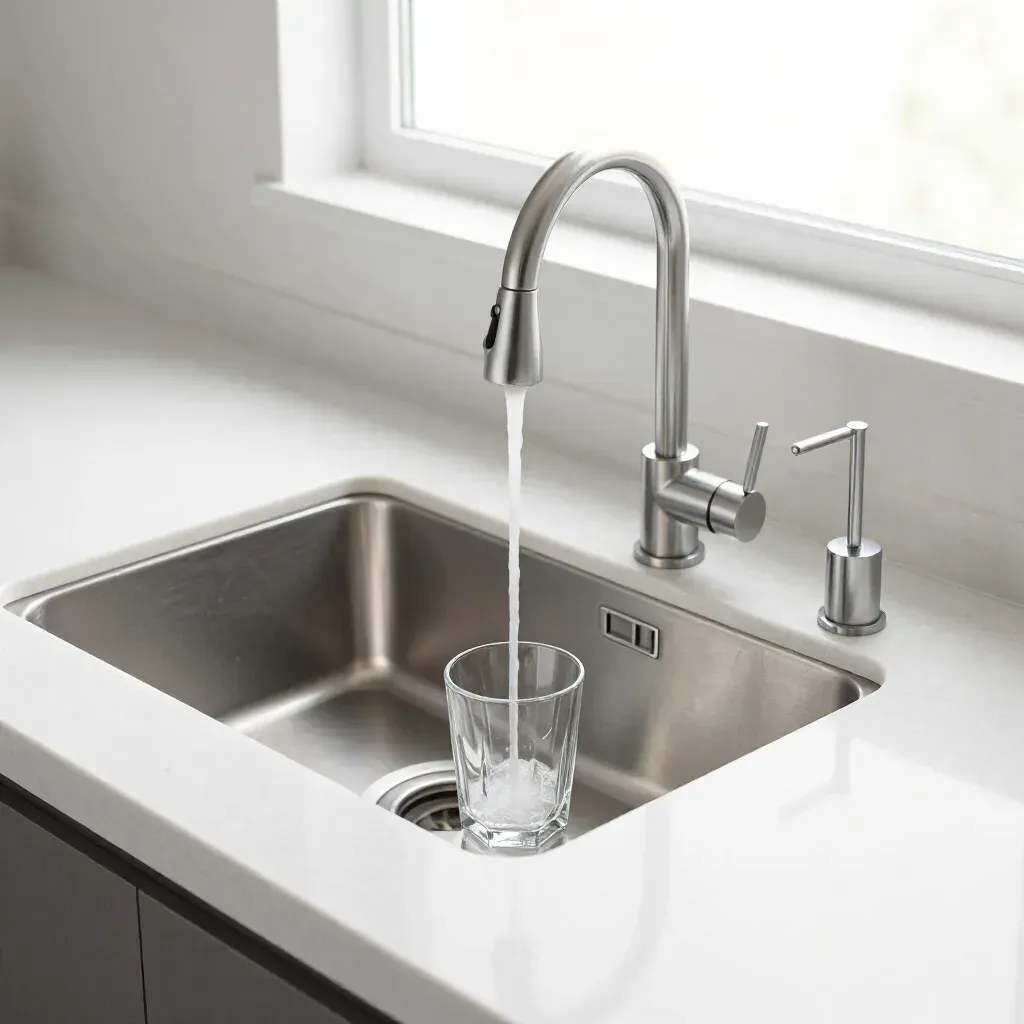
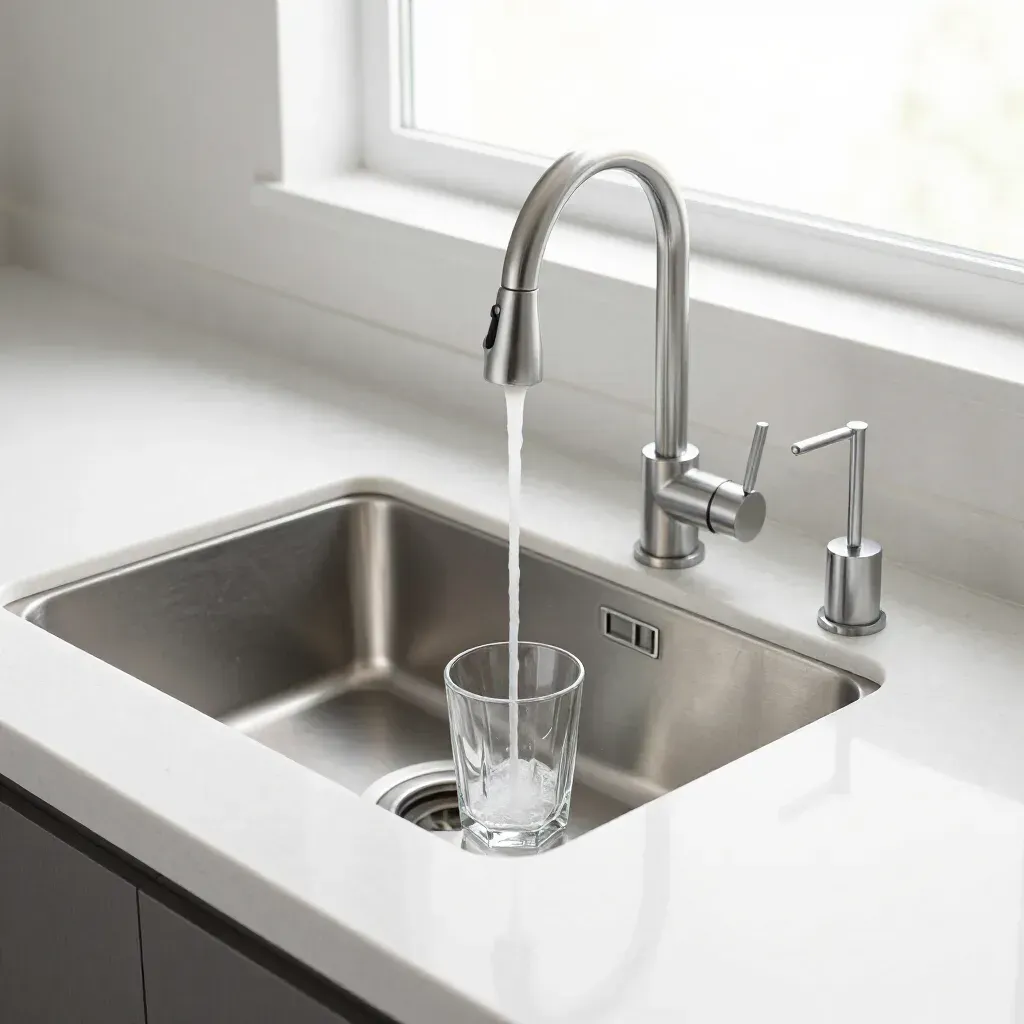
Filling a glass with water from the faucet in Mesa, AZ

Is a Water Softener Worth It in Mesa?

A water softener is often worthwhile for Mesa homeowners who repeatedly deal with scale, spots, clogged aerators, or soap scum. Its value depends on how much hard water affects the home and whether the system is correctly sized and maintained.


Consider the following questions:

  • How quickly does mineral buildup return after cleaning?
  • Are hard-water symptoms present in several rooms?
  • Is scale collecting around the water heater or appliances?
  • How many people live in the home?
  • How much water does the household use?
  • Does the home already have a softener loop?
  • Is the homeowner comfortable adding salt and maintaining the system?

Water Heater Repair vs. Replacement: How to Tell What You Need

A softener may be less useful when a homeowner is trying to address taste, odor, sediment, or a specific contaminant rather than hardness. Those concerns may call for filtration, reverse osmosis, water testing, or a combination of systems.

Which Type of Water Softener System Should You Choose?

The right system depends on the home’s hardness level, household water use, plumbing setup, and maintenance preferences. Salt-based softeners and salt-free conditioners should not be treated as equivalent products.

System What It Does Important Consideration
Salt-based softener Removes hardness minerals through ion exchange Requires regeneration, salt, and routine maintenance
Salt-free conditioner Changes how some minerals behave to reduce scale adhesion Does not technically soften water
Softener with filtration Addresses hardness and separate filtration concerns Requires proper system selection and sizing

A professional should also determine whether outdoor irrigation should bypass the softener. The City of Mesa warns that the additional sodium in softened water may harm some plants and recommends connecting landscape watering upstream of the softening unit.


Ion-exchange systems also add sodium or potassium while removing calcium and magnesium. People following sodium-restricted diets should discuss their drinking-water needs with an appropriate healthcare professional. Some homeowners leave a cold drinking-water tap unsoftened or install a separate reverse osmosis system for drinking and cooking water.

Why Does Professional Water Softener Installation Matter?

Professional installation helps ensure that the softener is properly sized, connected, drained, and programmed for the home. Poor sizing or incorrect settings can cause excessive regeneration, unnecessary salt use, wasted water, or inconsistent softening.


A professional installation should include:

  • Reviewing the incoming water hardness
  • Estimating household water demand
  • Selecting the appropriate system capacity
  • Inspecting an existing softener loop
  • Installing a bypass valve
  • Providing a suitable regeneration drain
  • Checking plumbing connections for leaks
  • Programming the regeneration settings
  • Explaining salt levels and routine maintenance
  • Keeping irrigation lines upstream of the softener when appropriate


Prompt Property Services provides professional water softener installation for homes with existing softener loops and properties that require new plumbing connections. Services are available in Mesa and nearby East Valley communities, including Queen Creek, Gilbert, Chandler, Tempe, Gold Canyon, and Apache Junction.

FAQs About Water Softeners

  • Does Mesa, Arizona, have hard water?

    Yes. The City of Mesa reports water hardness ranging from 12 to 22 grains per gallon, depending on the water source serving the property. This hardness can cause scale, spotting, soap scum, and recurring mineral residue.

  • What does a water softener remove?

    A traditional ion-exchange water softener primarily removes calcium and magnesium, the minerals responsible for hardness. It is not a substitute for a filter designed to address sediment, odors, tastes, or specific contaminants.

  • Will a water softener help my water heater?

    A water softener can reduce the hardness minerals that form scale when water is heated. This may limit future mineral accumulation, but the water heater will still require proper inspection and maintenance.

  • Is softened water suitable for drinking?

    Many households use softened water, but ion-exchange systems add sodium or potassium while removing hardness minerals. People with sodium-restricted diets should seek appropriate medical guidance. Some homeowners choose an unsoftened drinking tap or a separate reverse osmosis system.

  • How do I choose the right water softener size?

    The correct size depends on the incoming hardness level, household water consumption, number of residents, and required treatment capacity. A professional evaluation helps avoid a system that is too small, unnecessarily large, or programmed to regenerate too frequently.

Contact Prompt Property Services for Water Softener Installation

Tired of recurring scale, cloudy glassware, and mineral residue? Call Prompt Property Services at 480-207-8514 to ask about water softener installation for your Mesa or East Valley home.

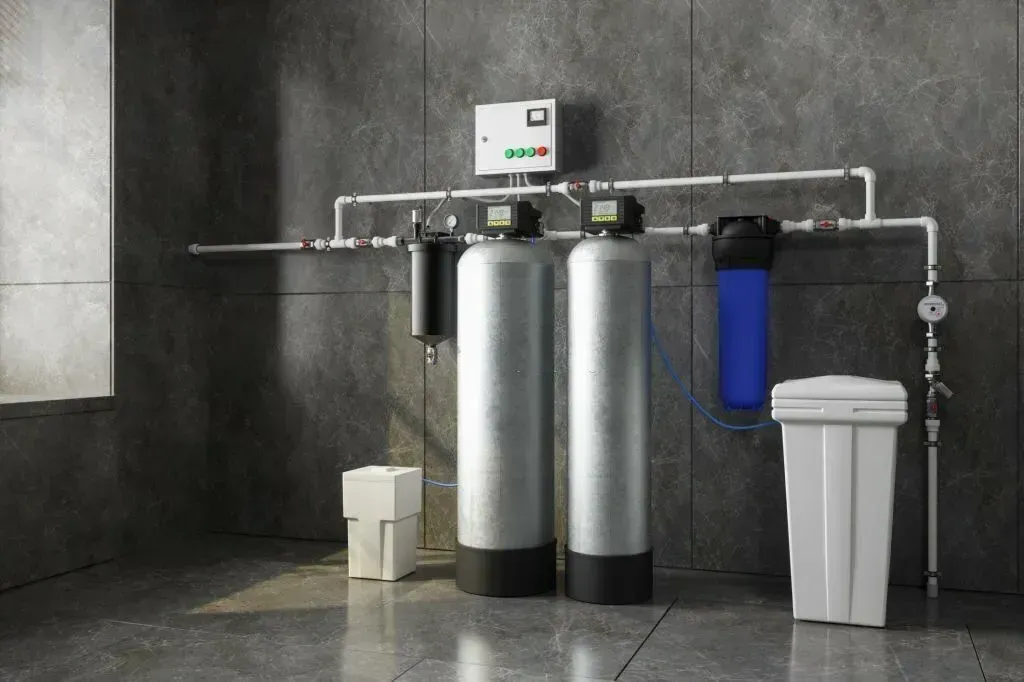
Water softener system with three tanks and white bins in a gray utility room

Recent Posts

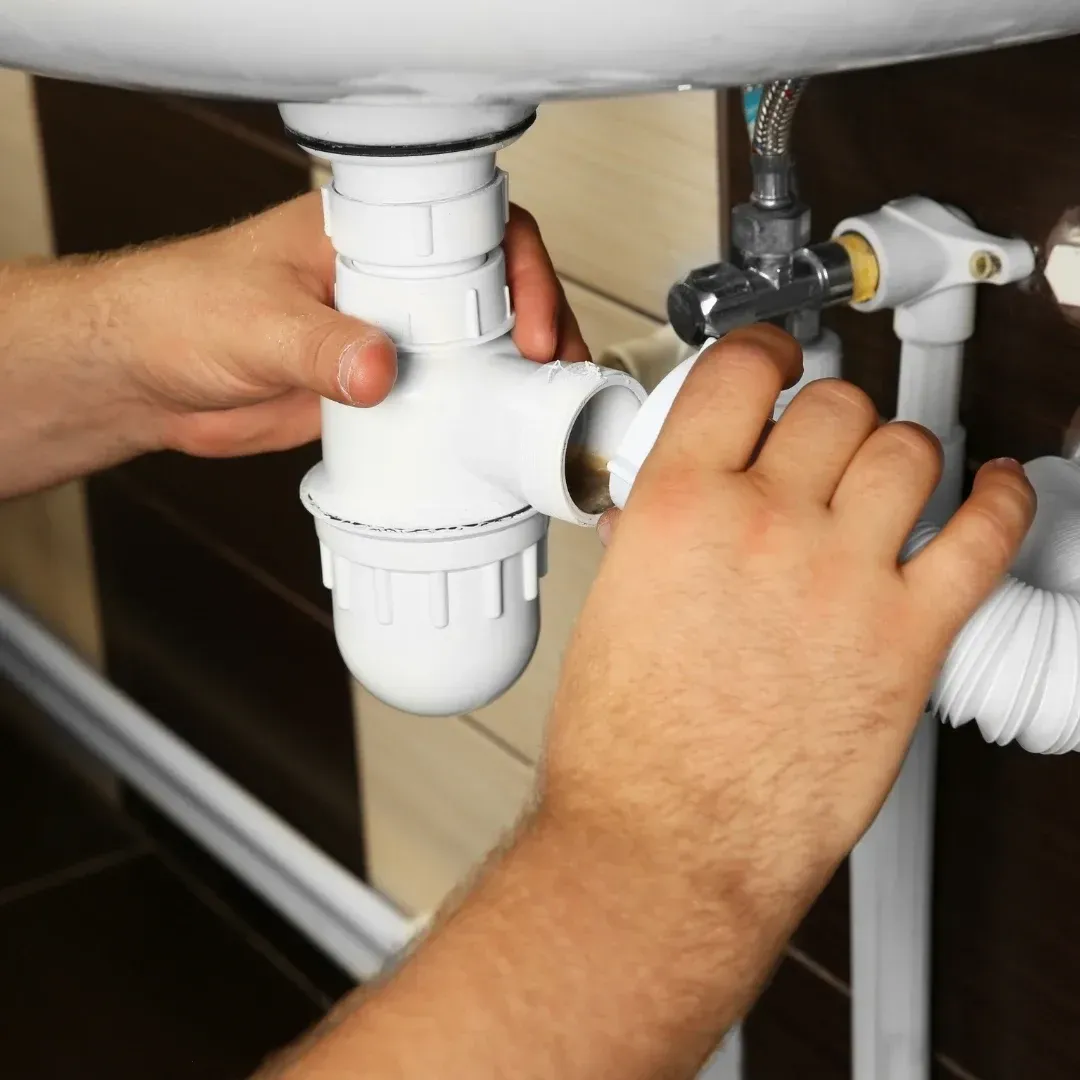
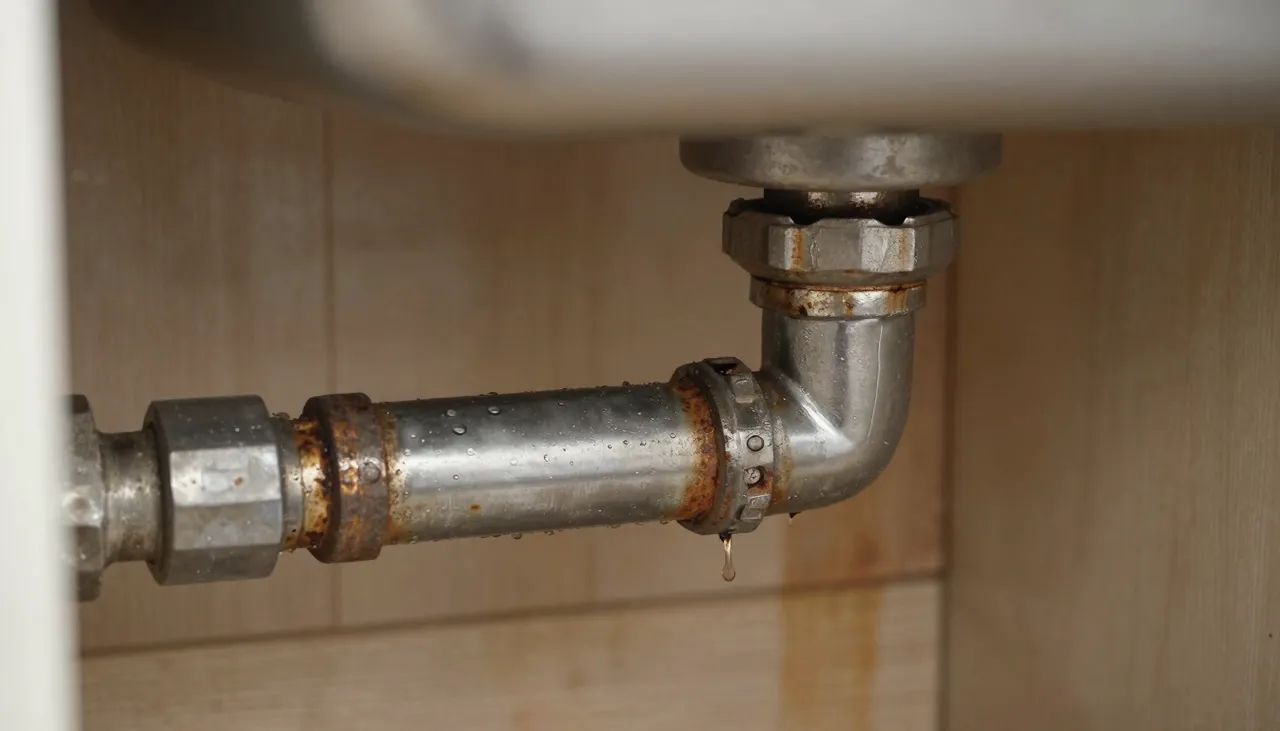
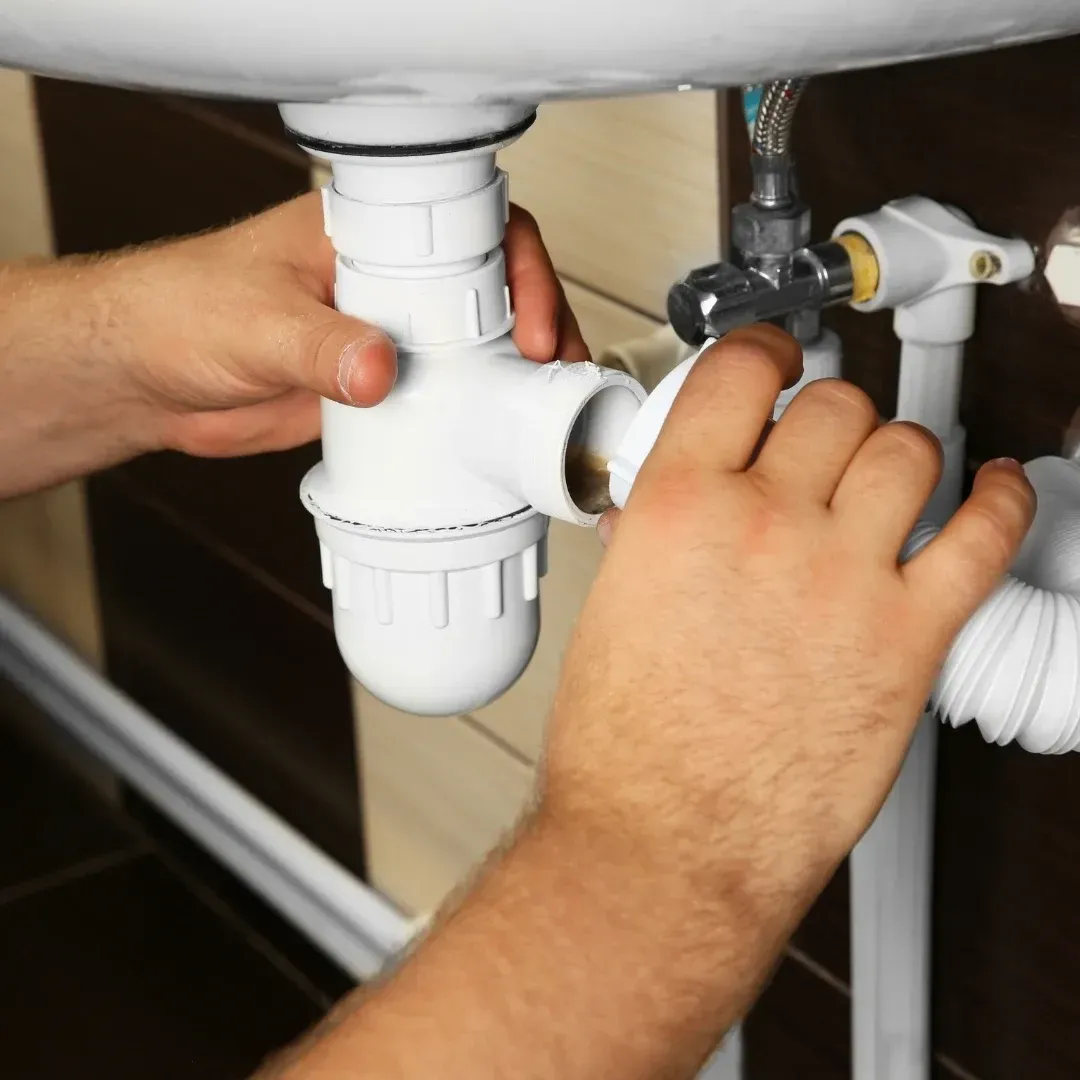
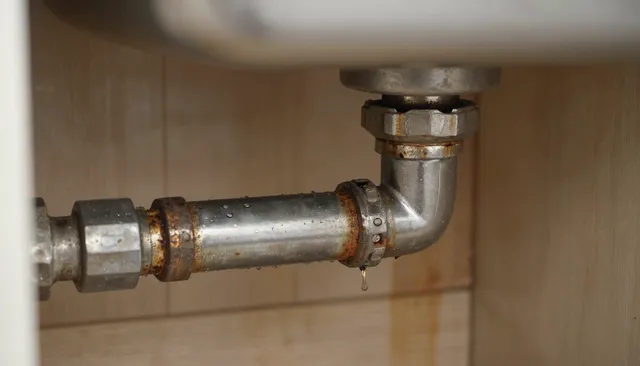
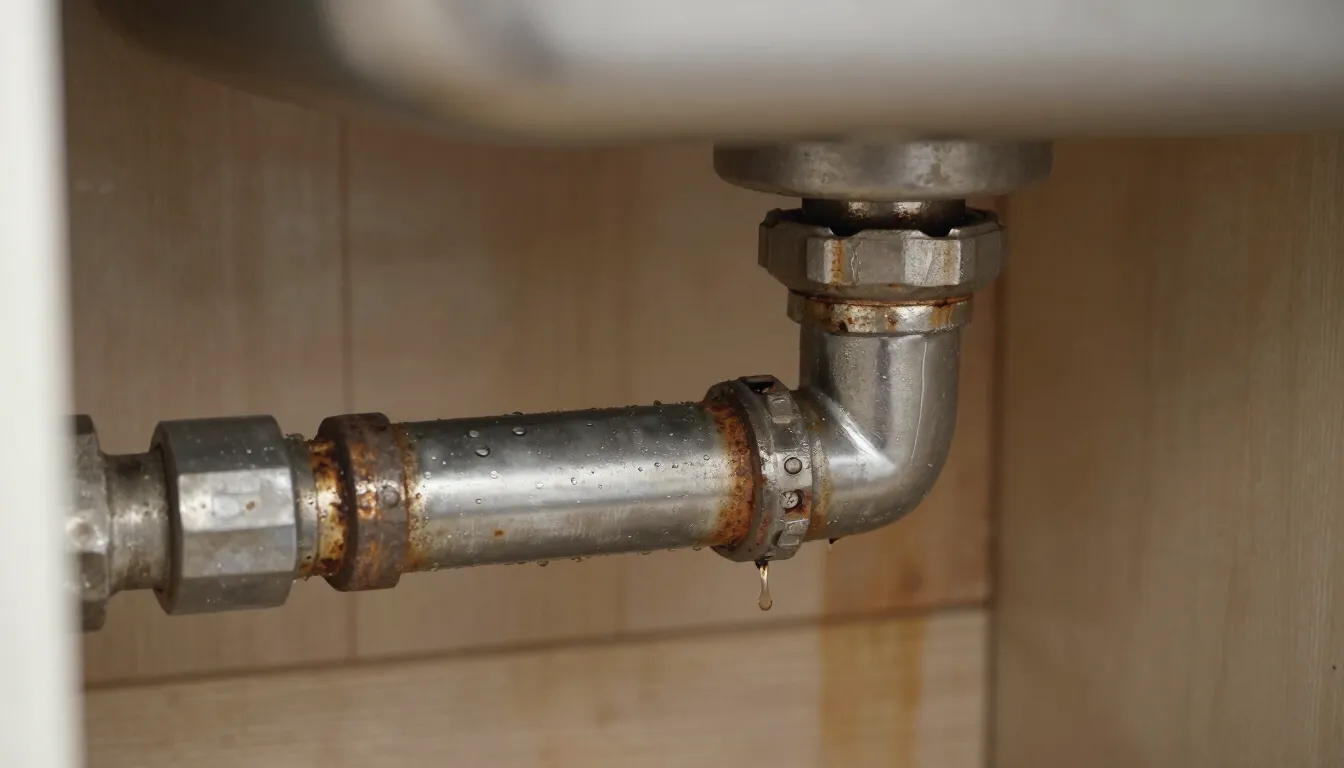
Fixing a plumbing problem under the sink in Mesa, AZ
August 7, 2026
Prevent plumbing emergencies in your Mesa home with a monthly checklist, early warning signs, hard-water tips, shutoff guidance, and maintenance advice.
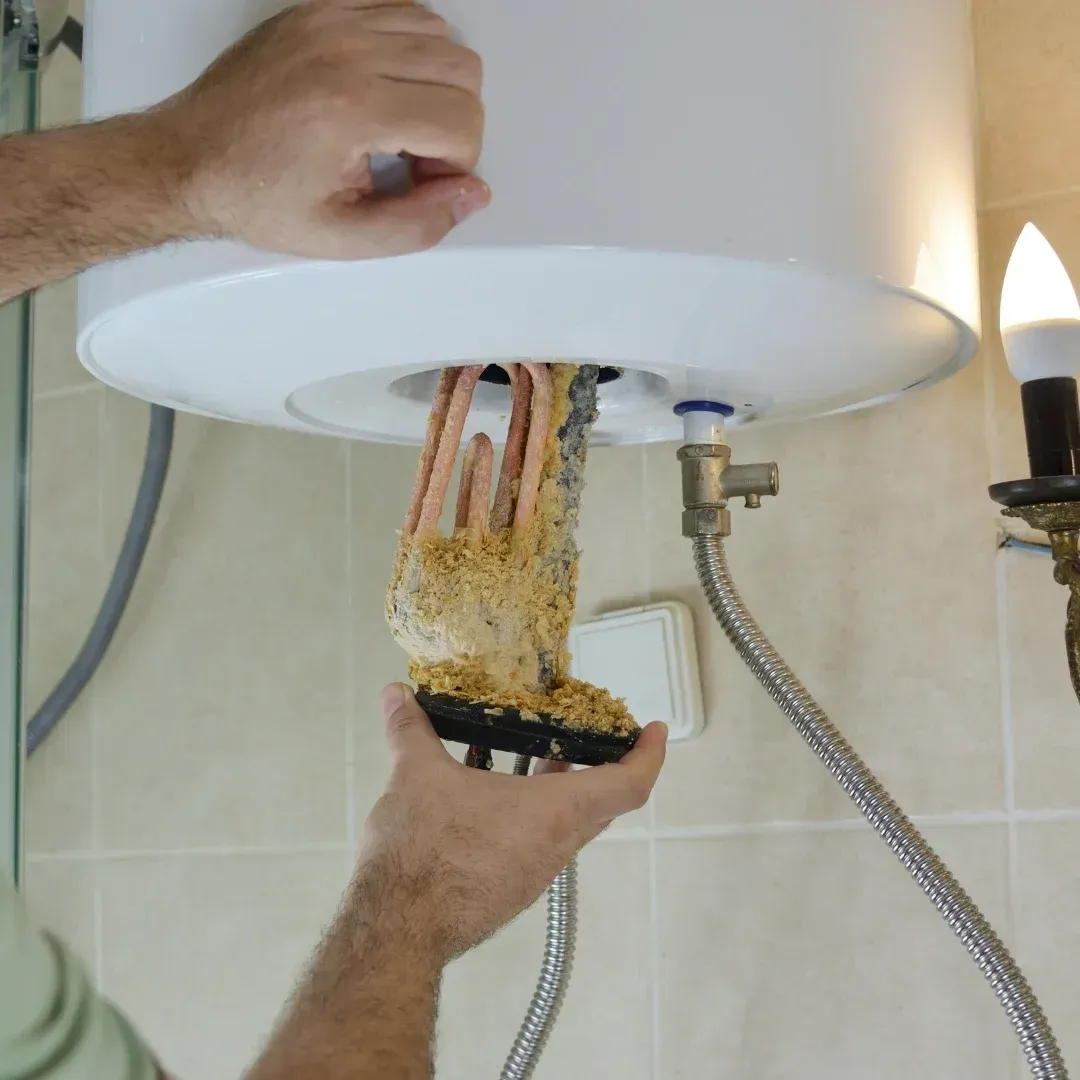
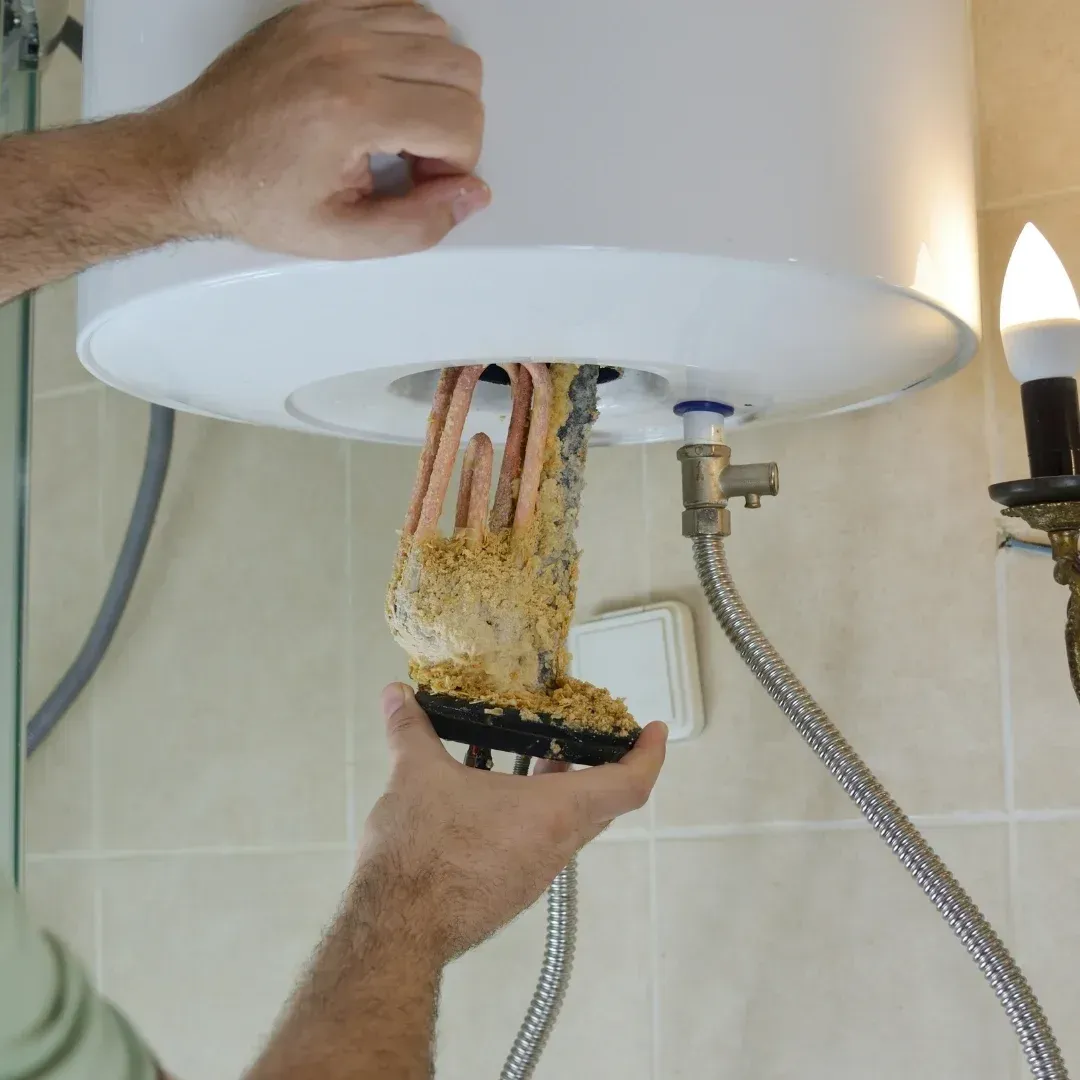
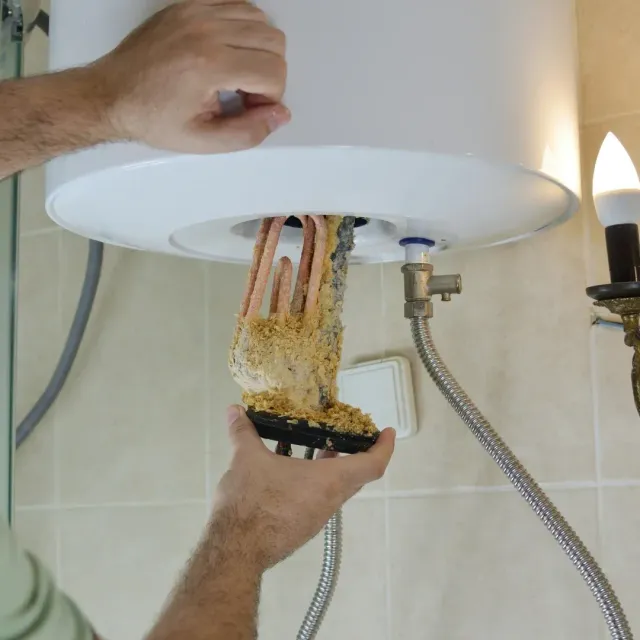
Hard water problems in the water heater
July 9, 2026
Learn the warning signs of water heater problems and call Prompt Property Services at 480-207-8514 for water heater repair in Mesa, AZ.
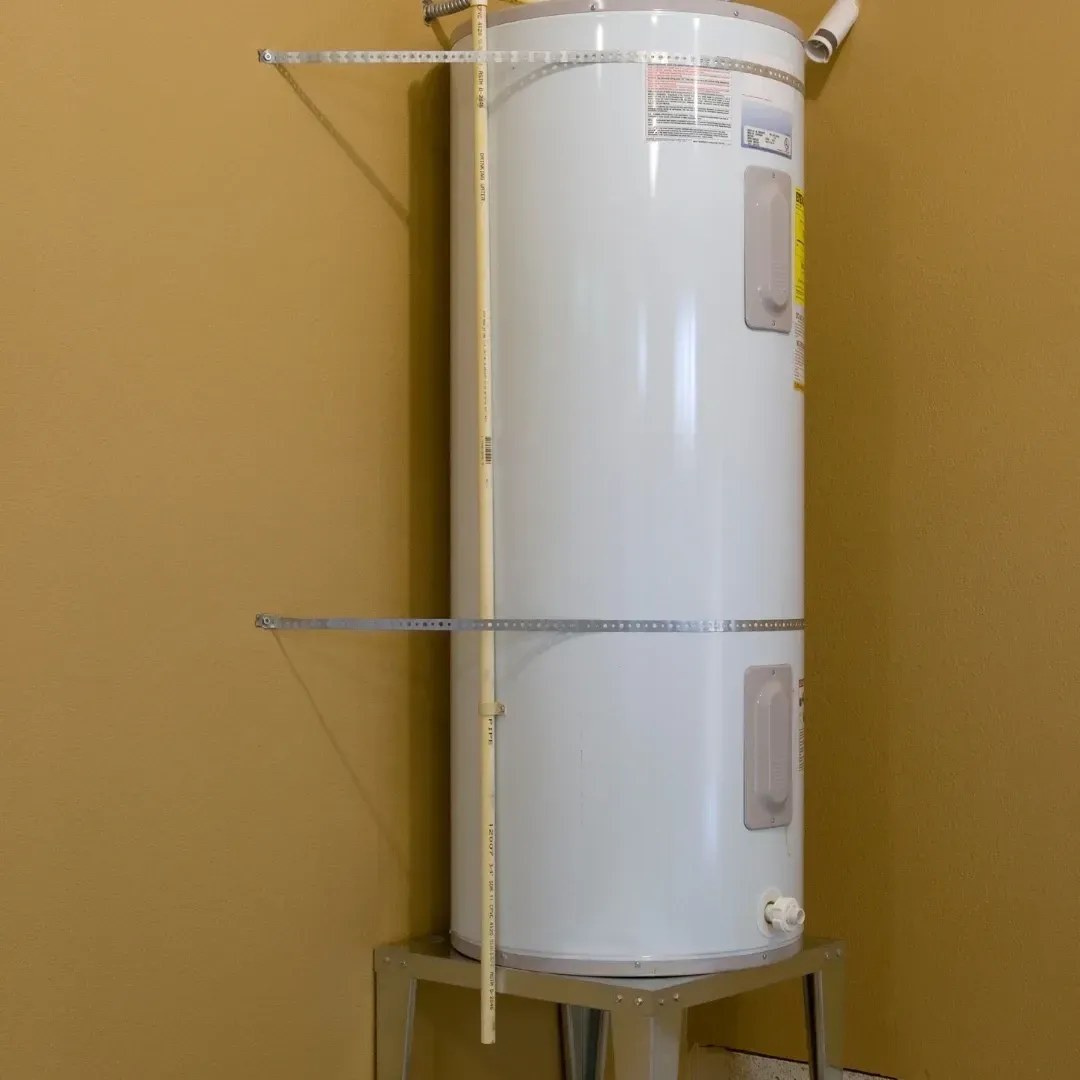
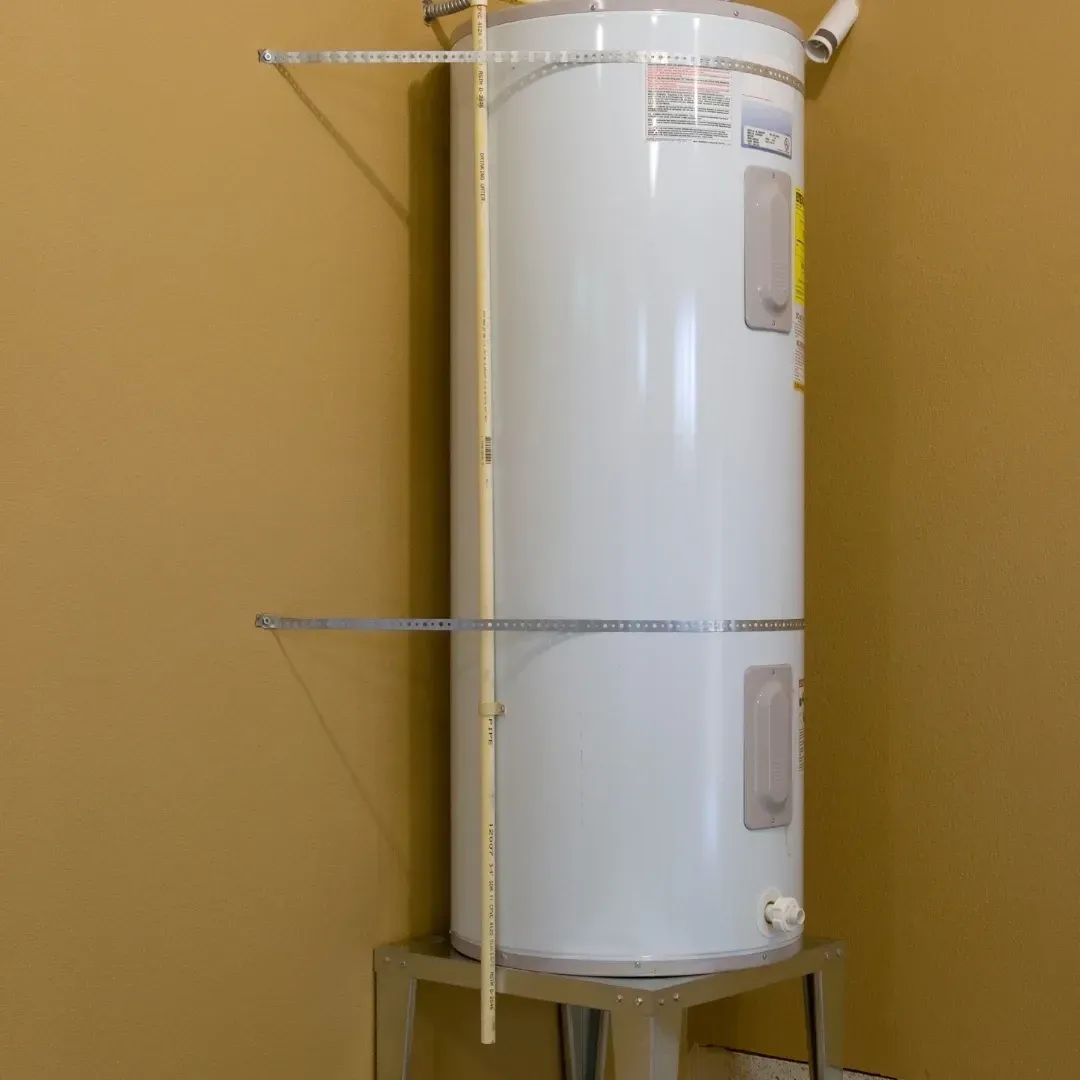
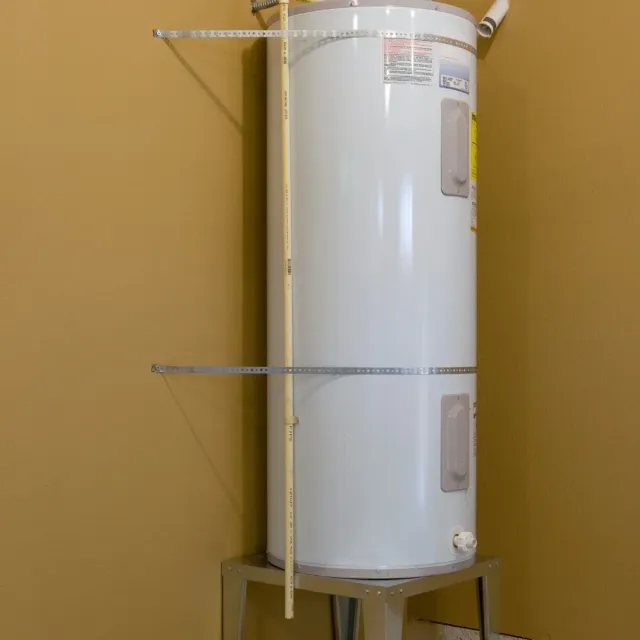
White water heater tank with metal support bars against a tan wall.
July 9, 2026
Compare tank vs. tankless water heaters for Mesa homes. Learn costs, pros, cons, and how to choose the best option. Call Prompt Property Services today.
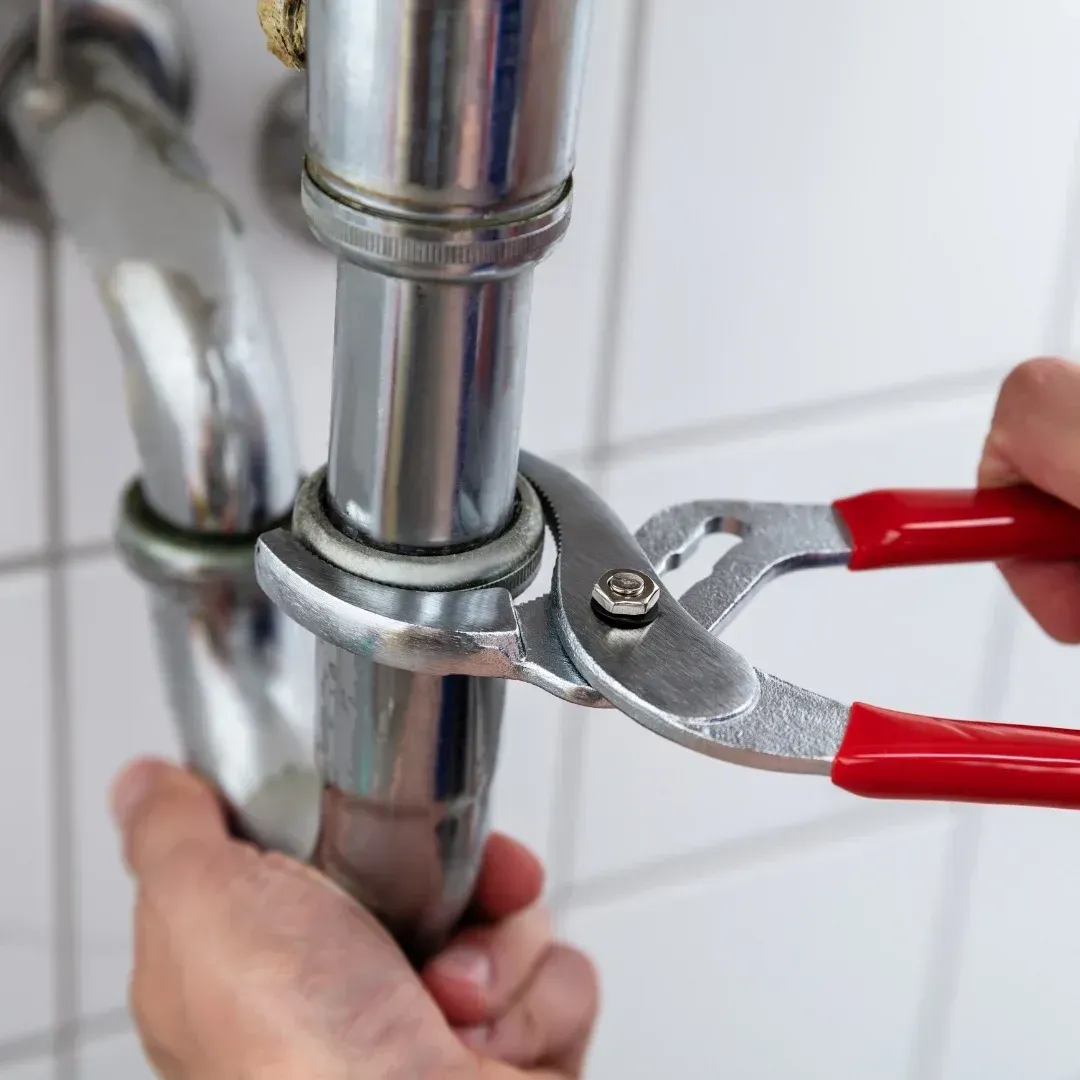
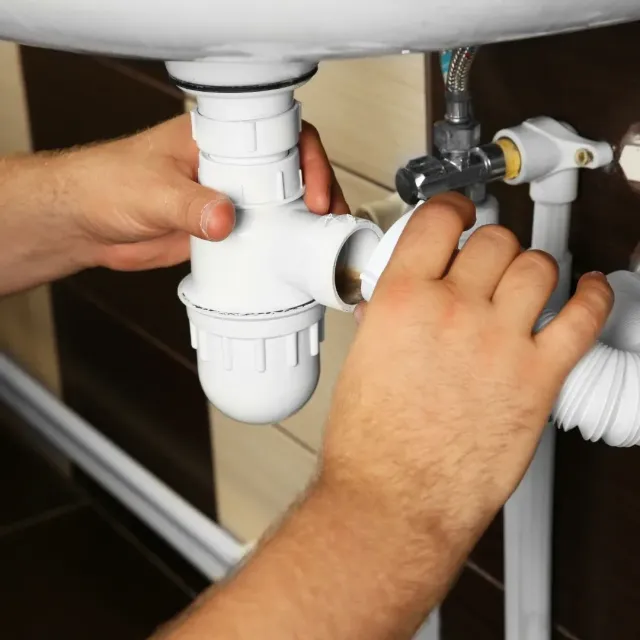
Hands using red-handled pliers to tighten a metal pipe clamp on a chrome plumbing pipe.
June 23, 2026
Learn common plumbing repair signs in Mesa, AZ, from leaks to low pressure. Call Prompt Property Services at 480-207-8514 for East Valley repair.
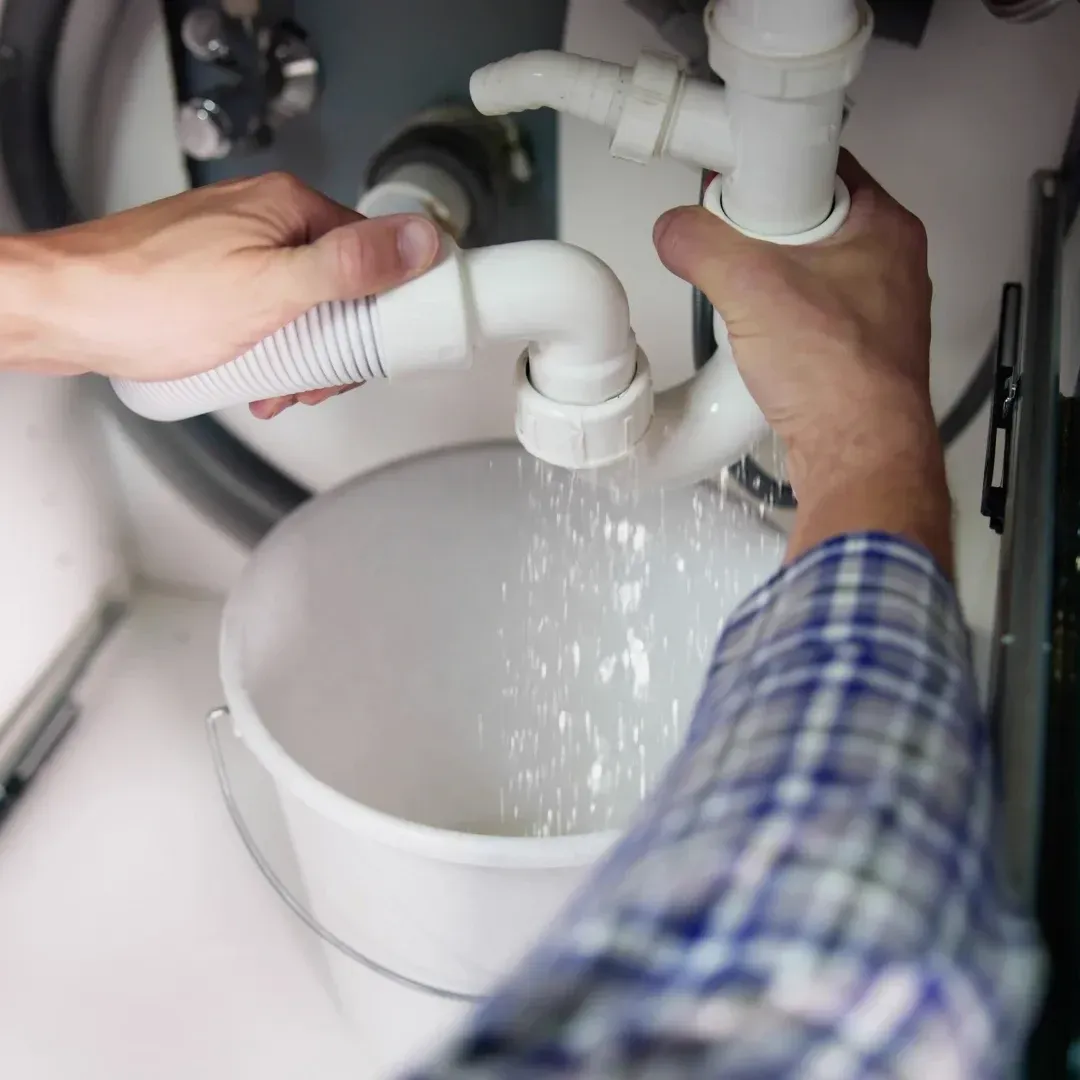
Hands fixing a white sink drain while water pours into a bucket underneath
June 23, 2026
Need same-day plumbing help in Mesa, AZ? Learn what to do during an urgent plumbing issue and call Prompt Property Services at 480-207-8514 for fast service.