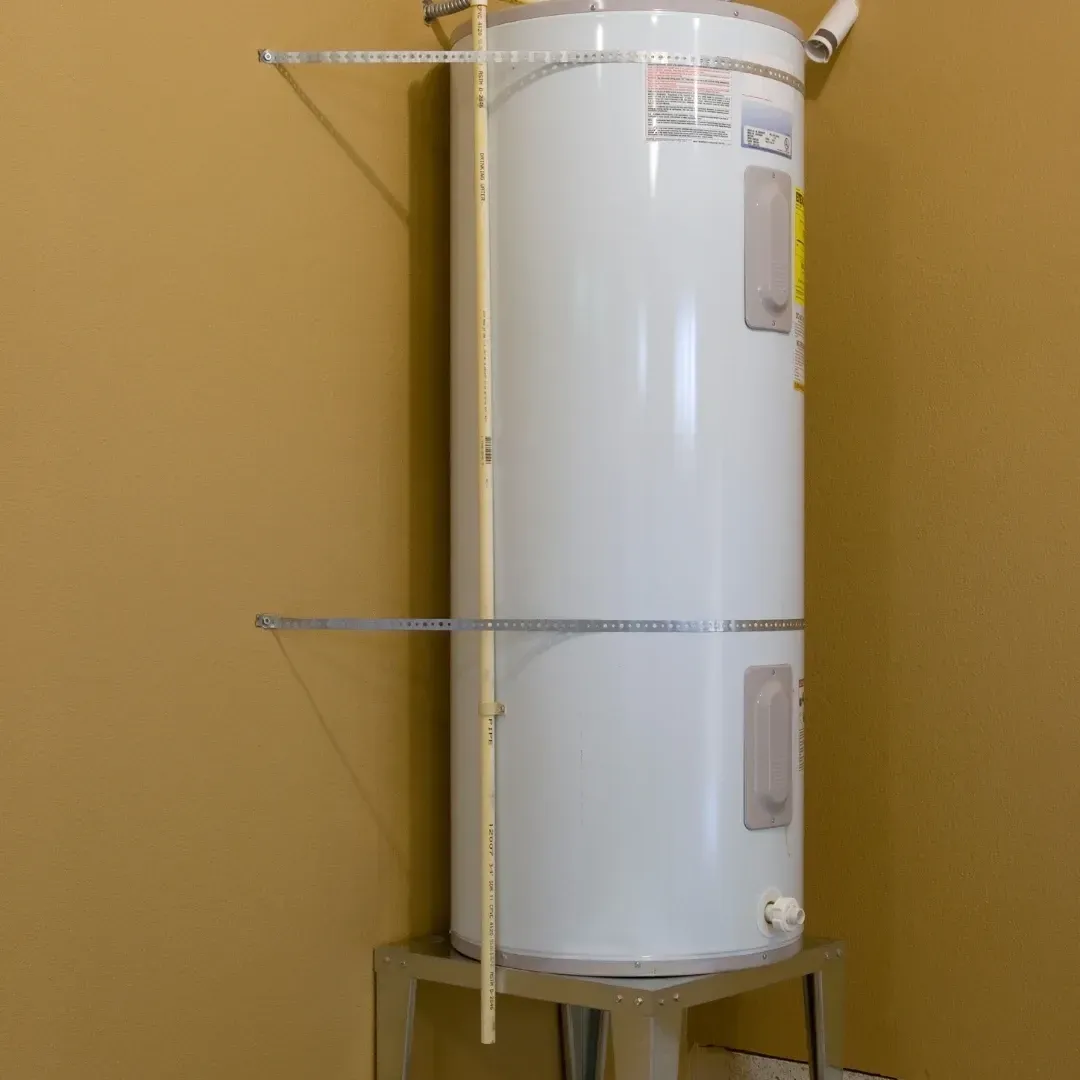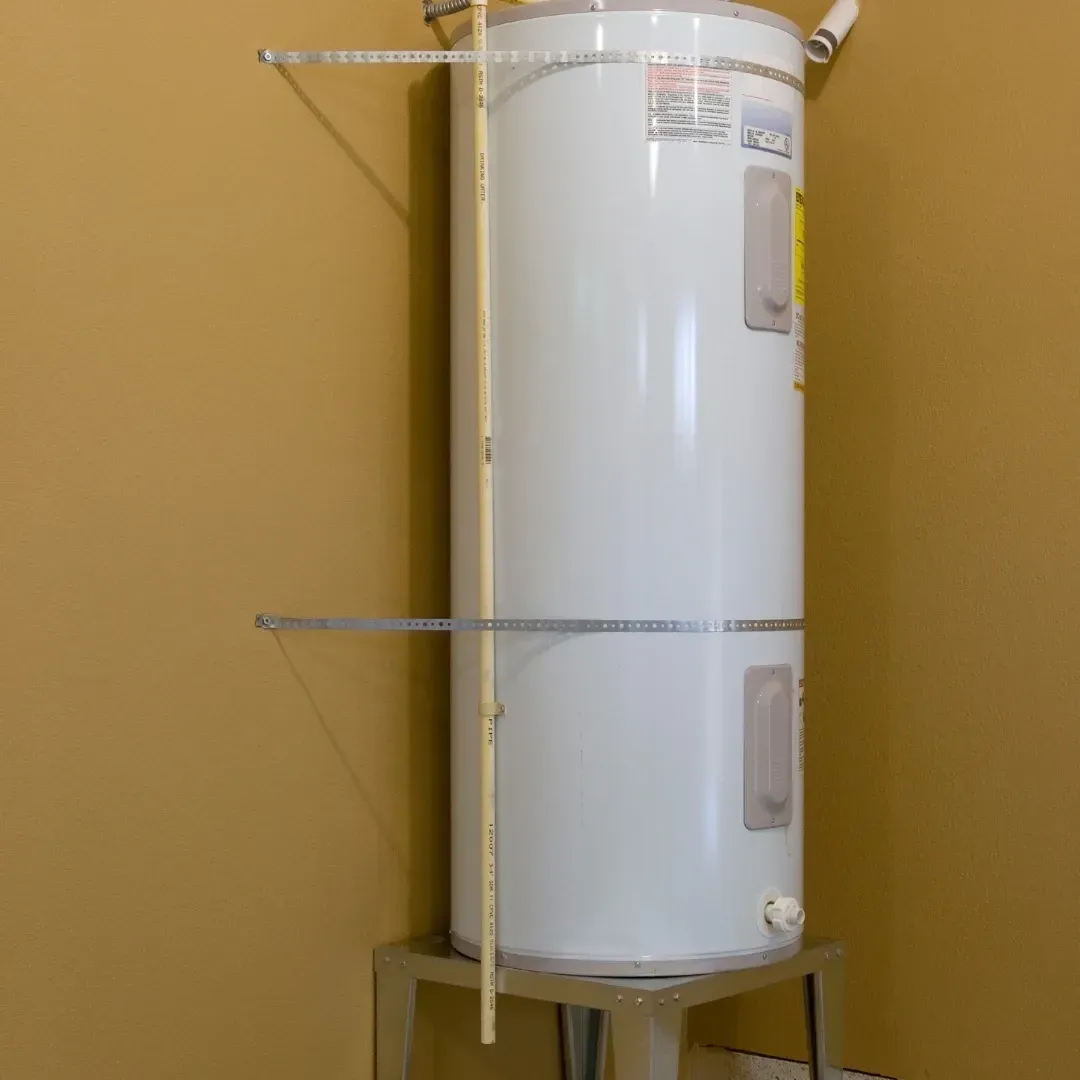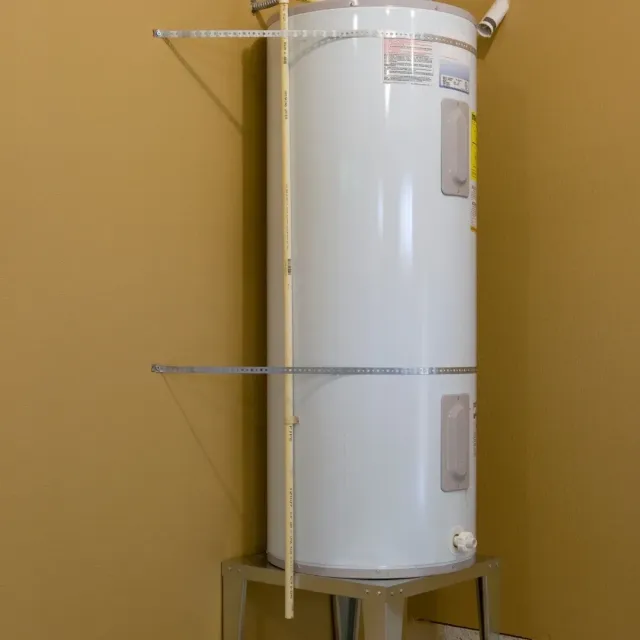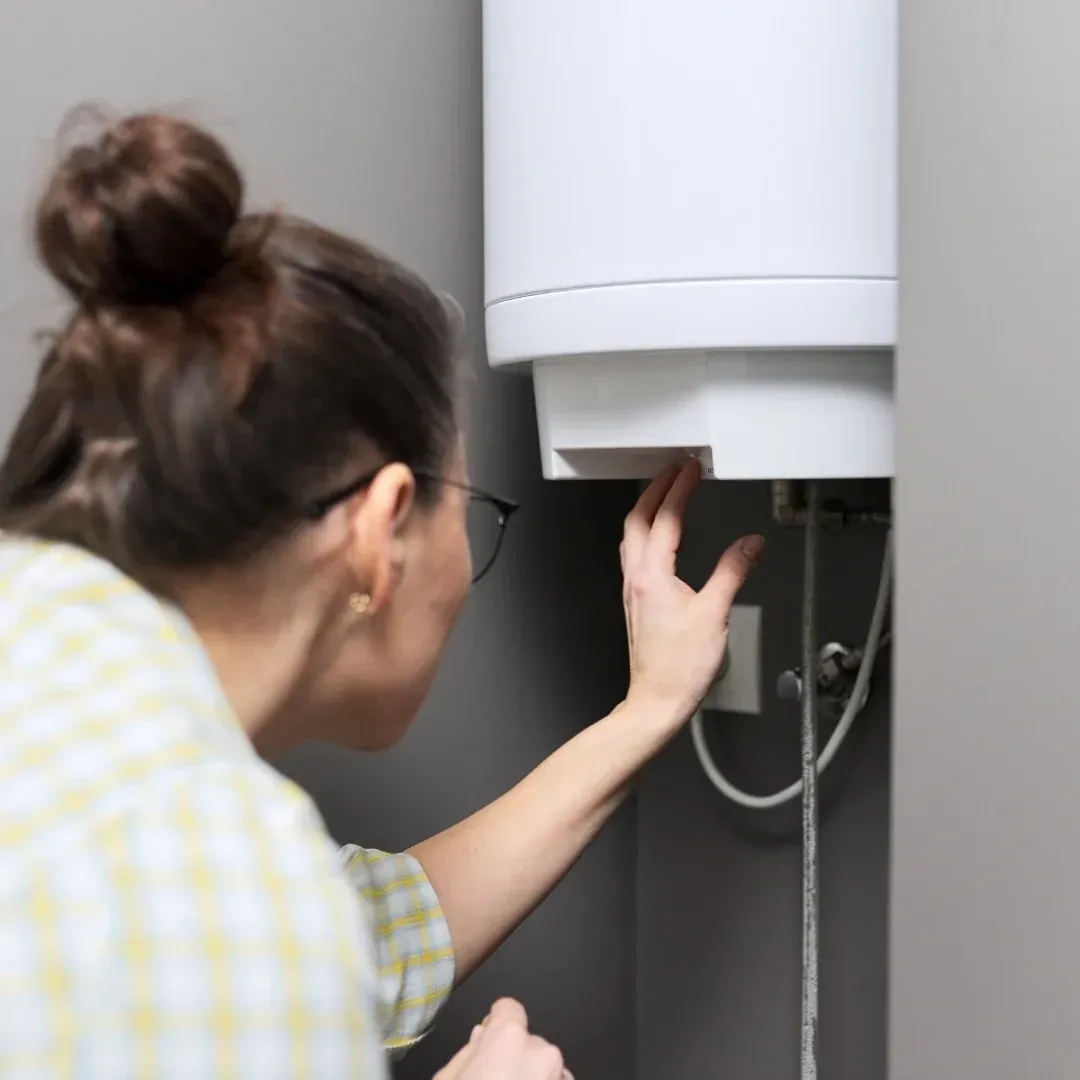
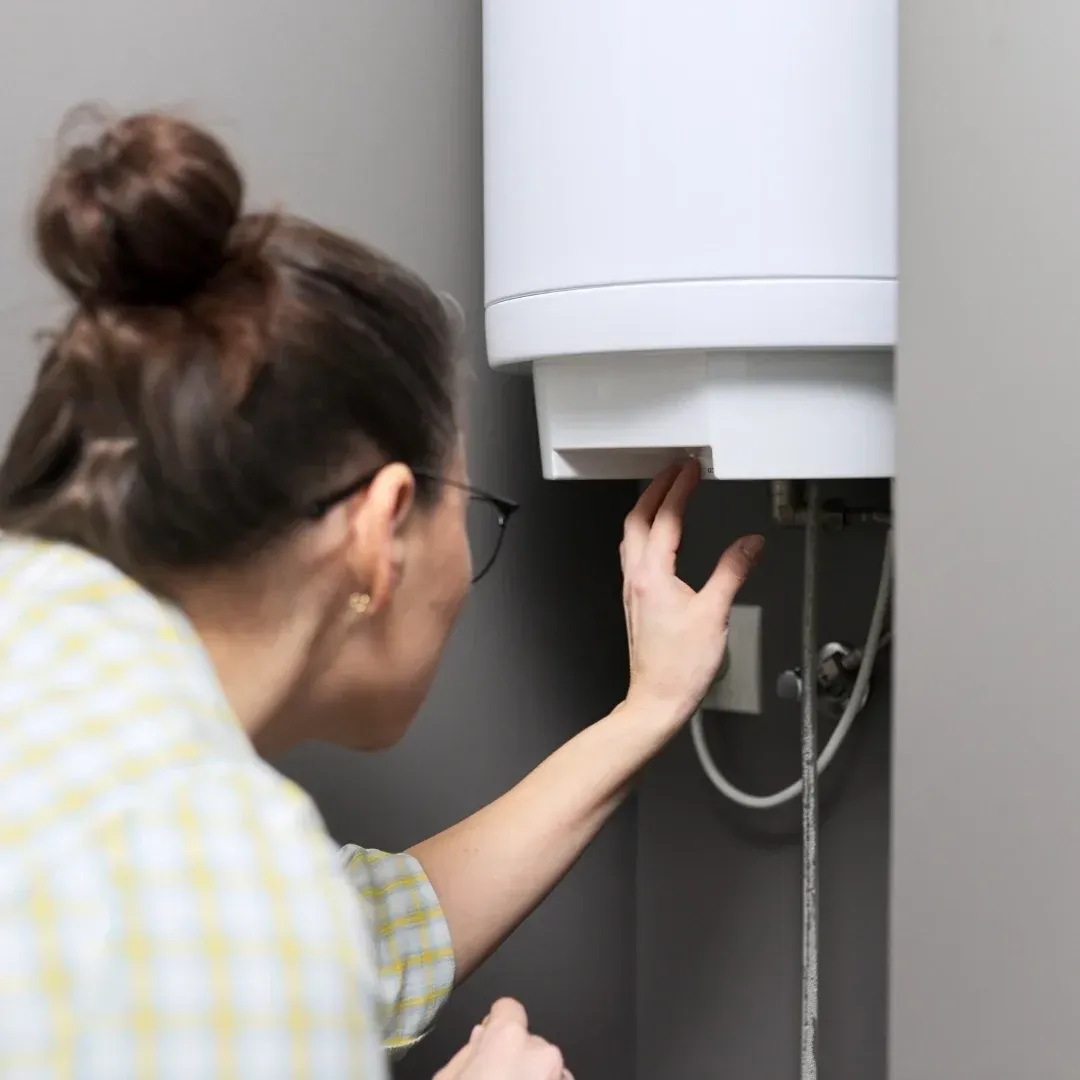
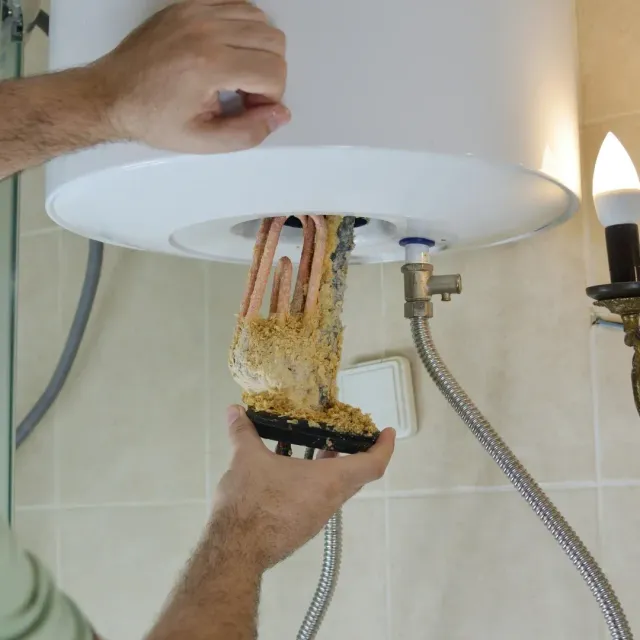
If your water heater has started popping, rumbling, or screeching, it is usually telling you that sediment has collected inside the tank. Mesa's hard water speeds that process up, which is why a noisy water heater Mesa homeowners deal with often shows up sooner here than in other parts of the country.
The good news is that most of these sounds are fixable when you catch them early. Below, you will learn what each noise means, which water heater troubleshooting steps you can safely try yourself, and when a sound is a warning that your tank is close to failing.


What Your Noisy Water Heater Is Telling You
Every sound points to a different problem inside the tank. Popping and rumbling almost always mean sediment, while screeching and ticking usually come from water flow or pressure instead.
| What You Hear | Most Likely Cause |
|---|---|
| Popping or crackling | Water bubbling up through a layer of sediment on the tank floor |
| Rumbling or banging | A thick sediment layer shifting as the water heats and expands |
| High-pitched screeching | Water squeezing through a valve that is partly closed or restricted |
| Ticking or tapping | Pipes expanding and contracting, or a loose heat trap fitting |
| Humming or buzzing | A loose heating element vibrating inside an electric tank |
| Sizzling or hissing | Water dripping onto the burner, which often points to a leak |
Because our local water carries so many dissolved minerals, these sounds tend to appear within a few years instead of a decade. We explain that connection further in our guide to why water heaters stop working in Mesa's hard water conditions.
Why Sediment Buildup Happens So Fast in Mesa
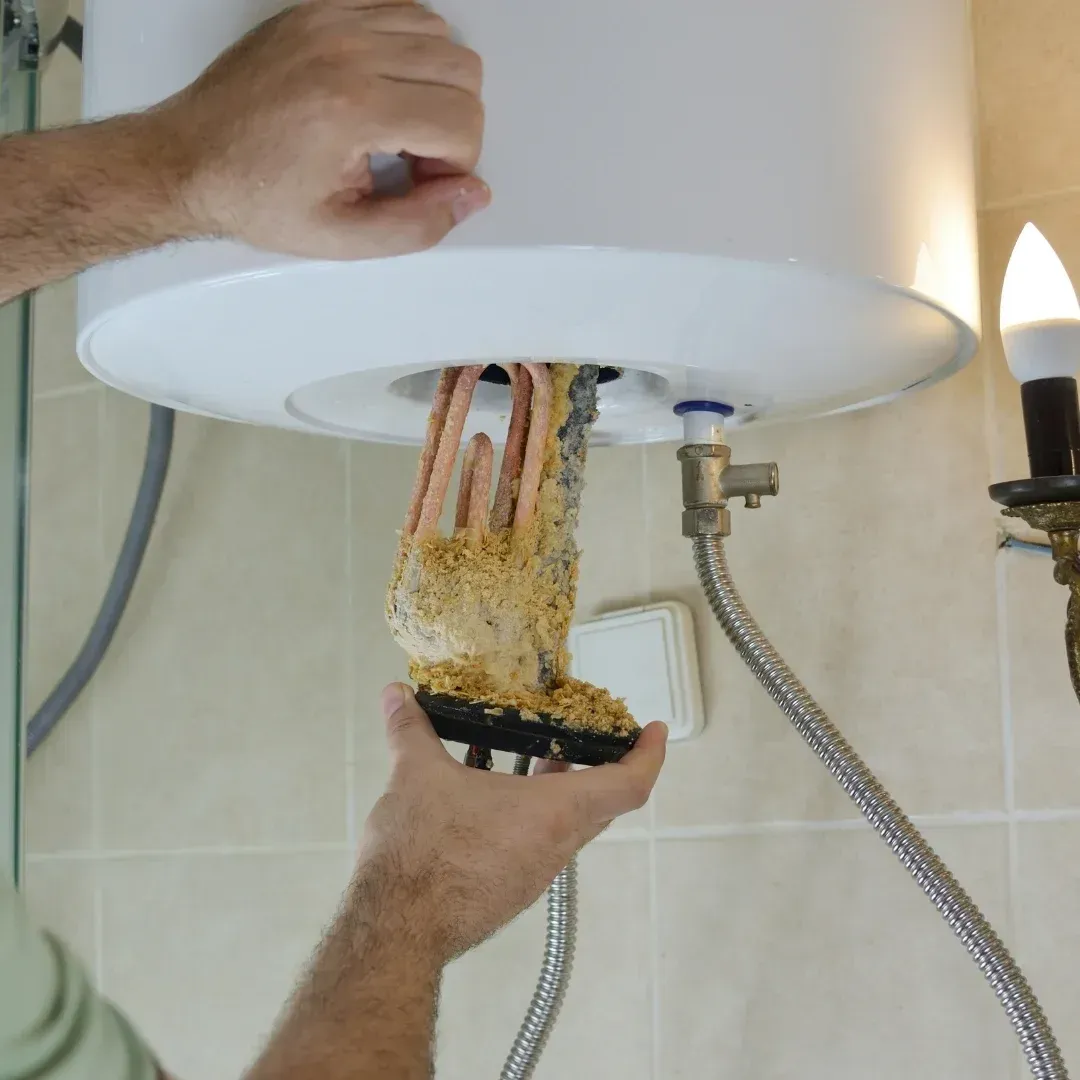
Sediment buildup tank problems start with hard water. When mineral-heavy water is heated, calcium and magnesium drop out of the water and settle on the bottom of your tank as a gritty layer.
Mesa's water supply makes this a local issue rather than a rare one. The City of Mesa's 2025 water quality report lists average hardness at roughly 12 grains per gallon in much of the city, with some zones closer to 16 grains per gallon. That is well above the 7 grains per gallon mark where scale starts causing real trouble for appliances.
Once that layer forms, it works against your heater in a few ways:
- It traps heat. The burner has to push heat through a crust of minerals, so your unit runs longer to reach the same temperature.
- It makes noise. Water gets trapped under the sediment, turns to steam, and pops as it escapes.
- It shortens tank life. Trapped heat stresses the steel and the glass lining, which leads to cracks and rust.
- It cuts your hot water supply. Sediment takes up space that used to hold water, so you run out sooner.
That matters for your budget too, since the U.S. Department of Energy reports that water heating accounts for about 18% of a home's energy use and is typically the second largest energy expense in the house. A tank fighting through scale simply costs more to run.
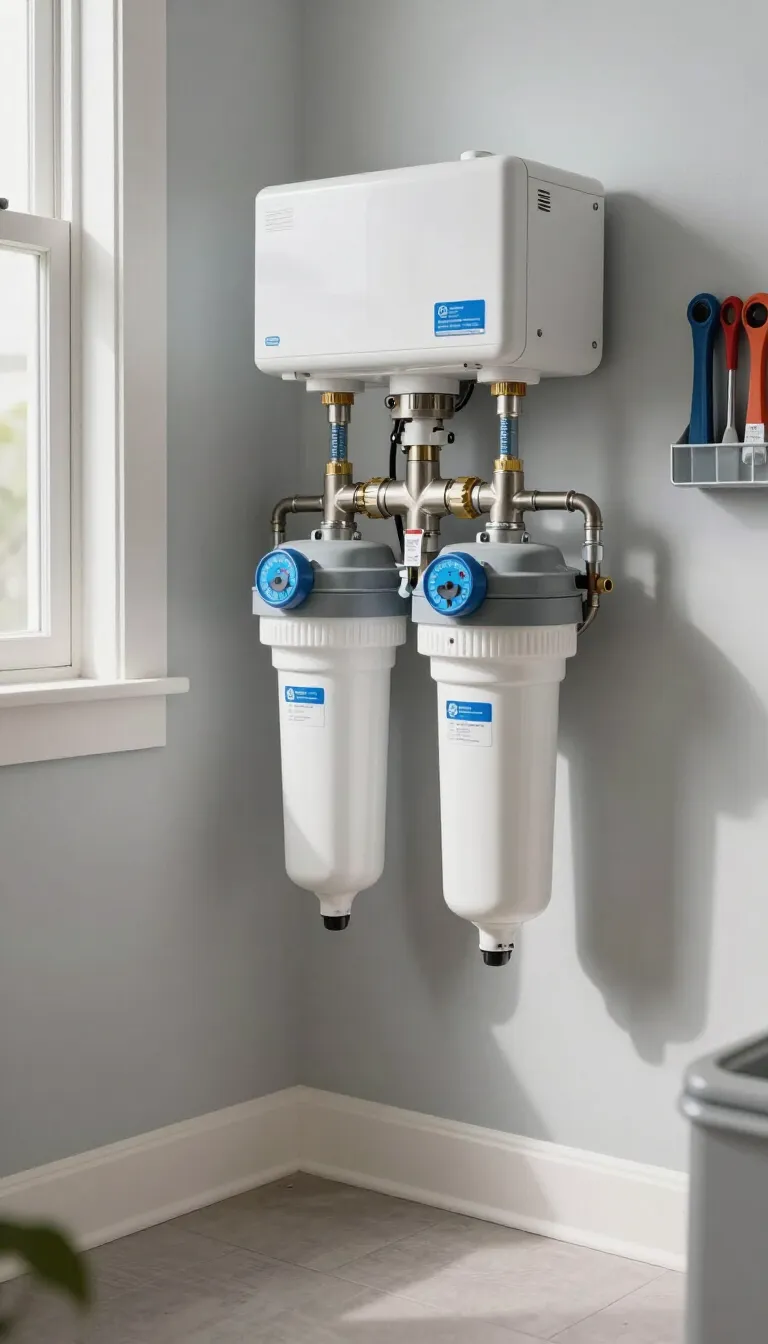
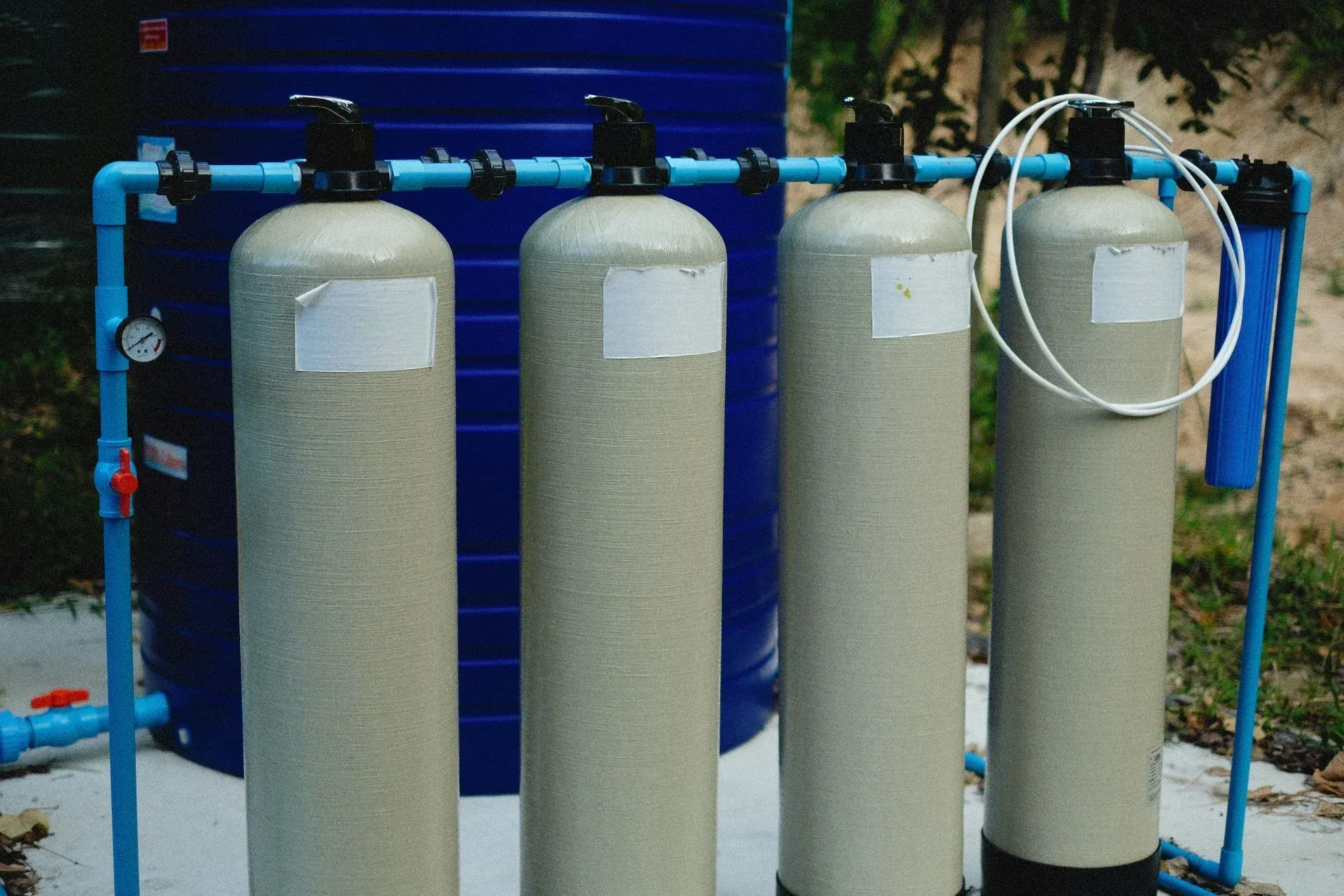
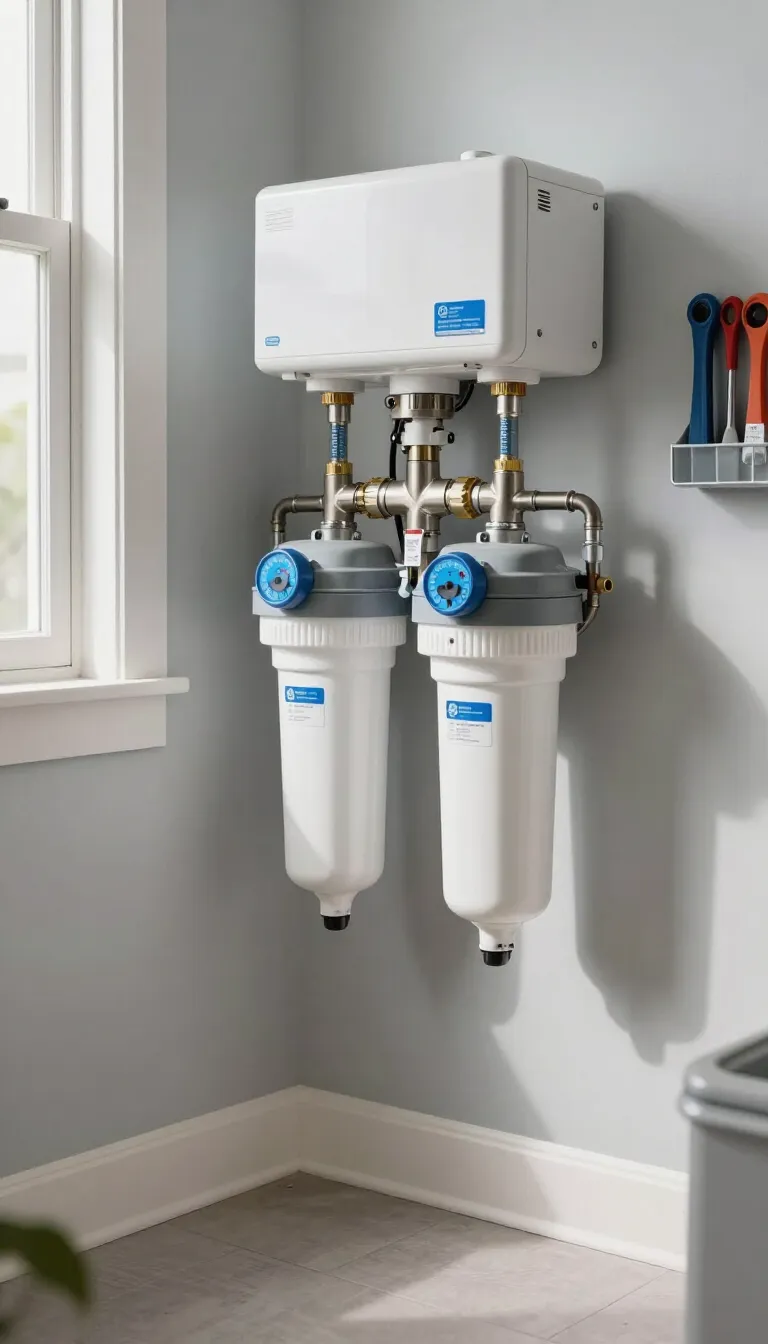
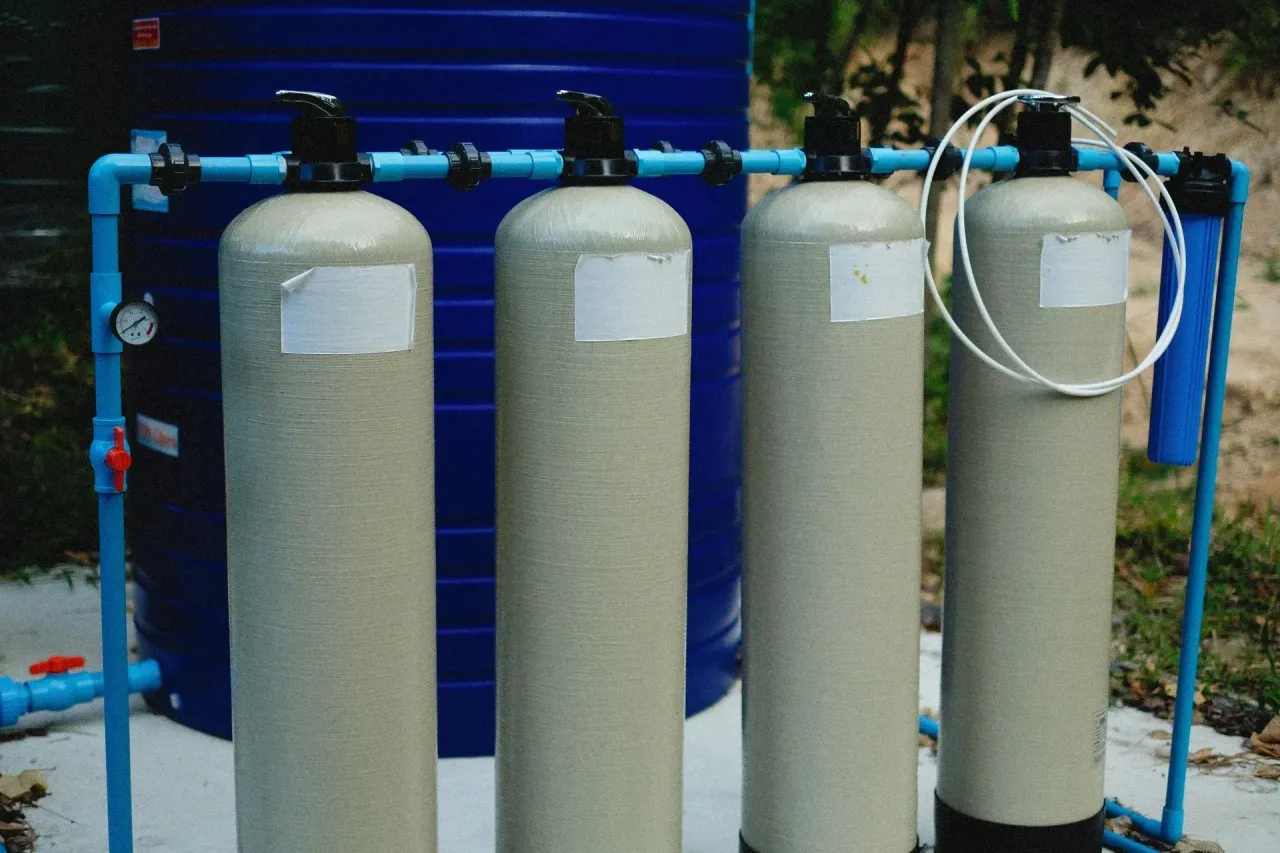
If you want to slow the buildup instead of just cleaning it up each year, treating the water before it reaches the tank helps. Many Mesa homeowners pair a new heater with a whole-home water softener for exactly that reason.
Water Heater Troubleshooting Steps You Can Try
Flushing the tank solves most noise complaints, and you can usually handle it in under an hour. Before you start, turn the unit off at the breaker if it is electric, or switch the gas control to the pilot setting if it is gas.
- Note when the noise happens. Sounds during a heating cycle point to sediment. Sounds right after you shut off a faucet point to pressure or pipes.
- Check your thermostat. Settings above 120 degrees speed up mineral deposits. Lowering it also reduces scald risk.
- Shut off the cold water supply. The valve sits on top of the tank, usually on the right side.
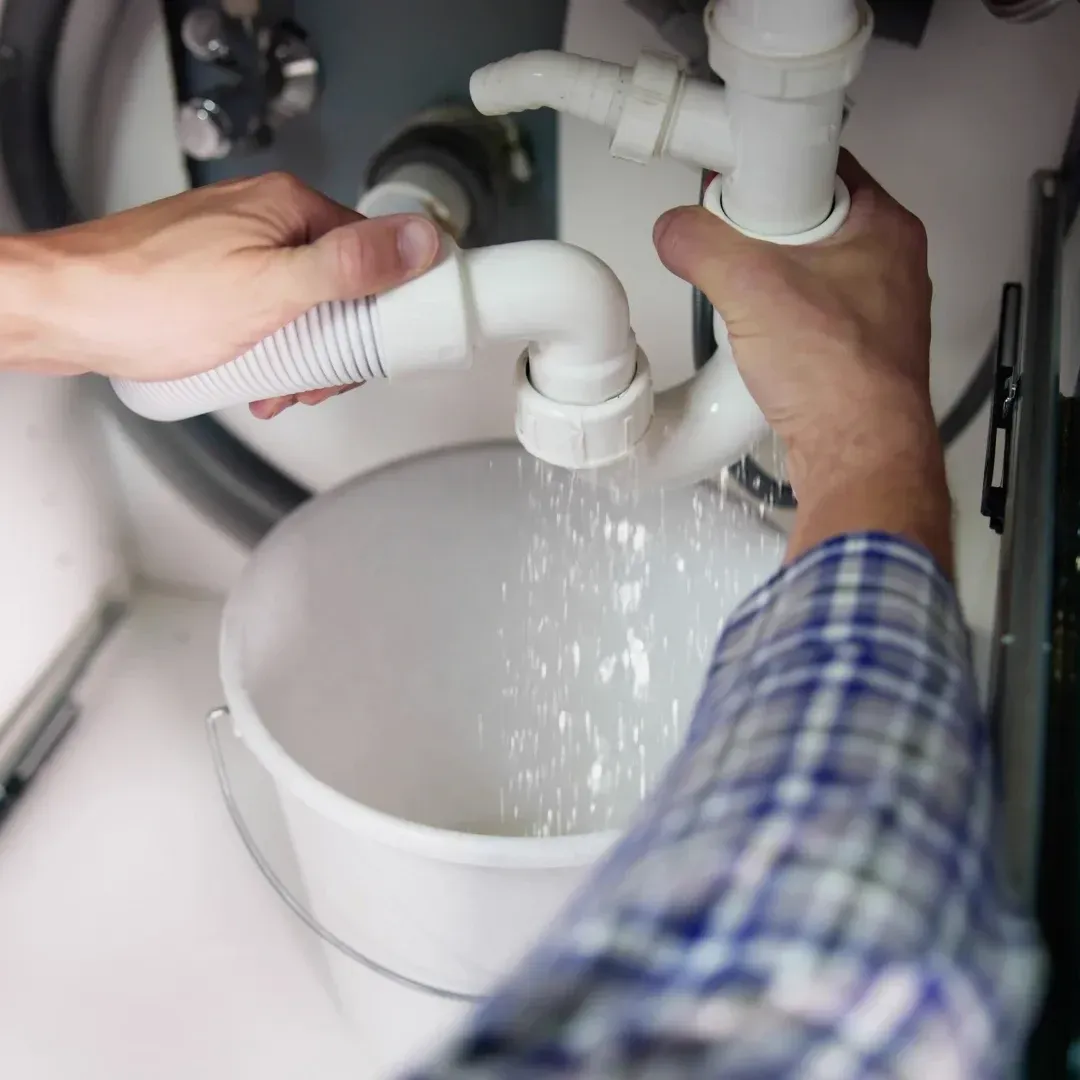
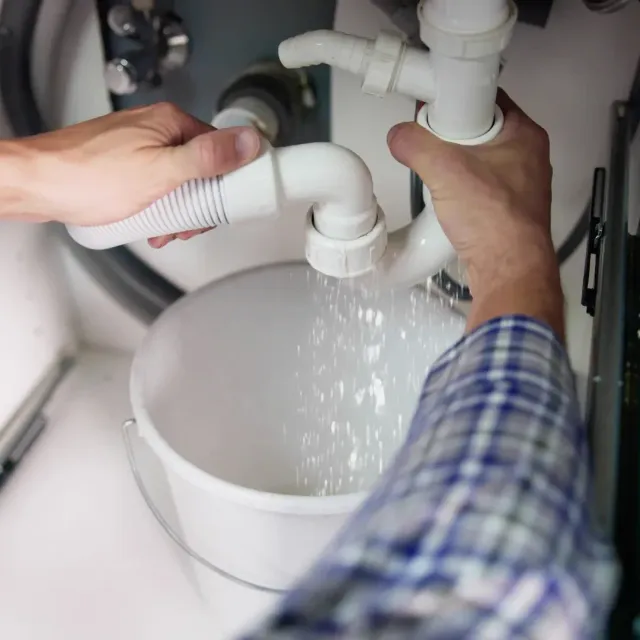
- Drain the tank. Hook a garden hose to the drain valve at the base, run it outside or to a floor drain, then open the valve and let the water run until it comes out clear.
- Stir up what is left. Turn the cold supply back on briefly with the drain still open. The rush of water lifts loose grit off the bottom.
- Close up and refill. Shut the drain valve, refill the tank fully, then restore power or gas.
- Listen again after two cycles. If the popping is gone, the sediment was the issue. If it continues, the buildup has likely hardened onto the tank floor.
One note of caution: if your tank has never been flushed and is more than six years old, draining it can expose a rusted drain valve that will not reseal. In that case, it is safer to have a plumber do it.


When the Noise Means It Is Time to Replace the Tank
If a flush does not quiet things down and your heater is past the 8-year mark, replacement is usually the better investment. Hardened scale cannot be rinsed out, so the noise will keep returning along with higher energy bills.
Watch for these signs together with the sound:
- Rusty or brown hot water coming from the taps
- Hot water that runs out noticeably faster than it used to
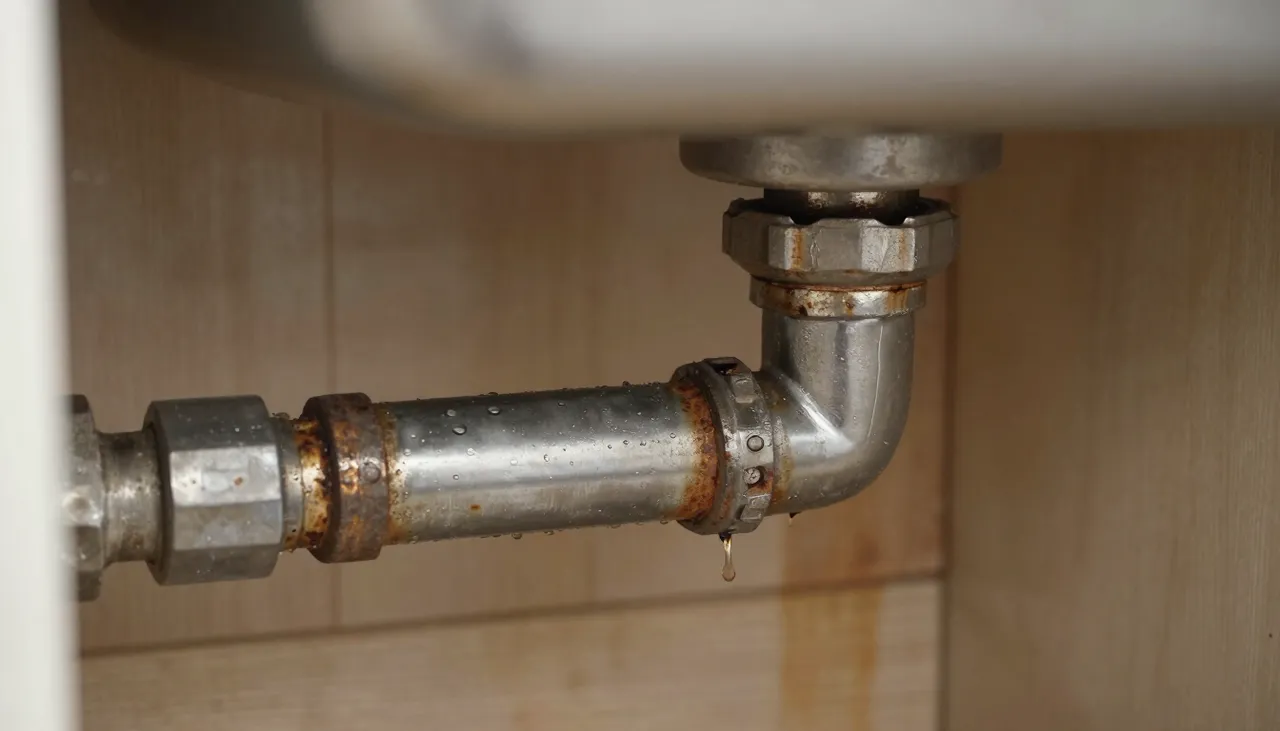
- Moisture, rust streaks, or pooling around the base of the tank
- A pilot light or heating element that keeps failing
- Repair costs climbing past half the price of a new unit
When two or more of these show up at once, scheduling water heater replacement before the tank fails saves you the mess of a sudden leak. Our team sizes the new unit to your household so you are not paying to heat water you never use.
You also have a choice to make at that point. A tank unit costs less upfront, while a tankless system takes up less space and avoids sediment buildup entirely. Our comparison of tank versus tankless water heaters for Mesa homes walks through the trade-offs.
Noises That Need a Plumber Right Away
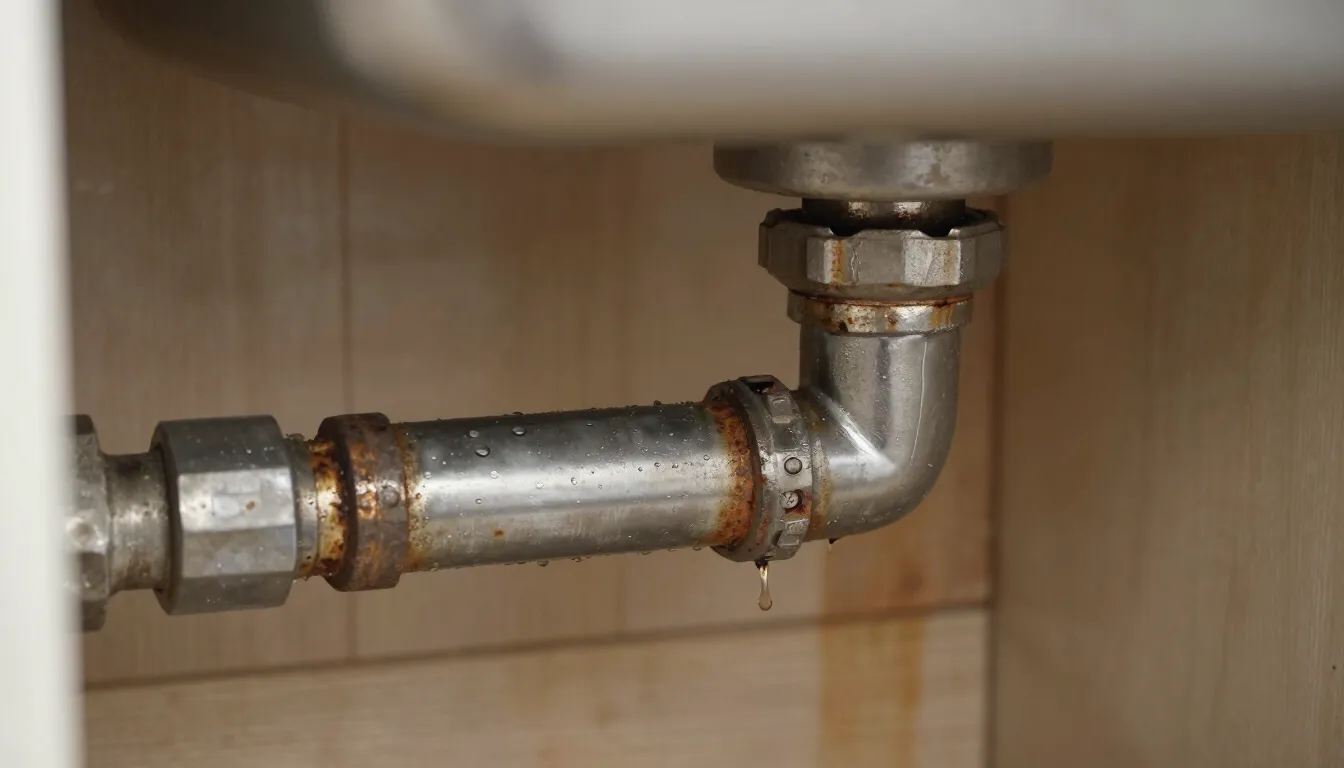
A few sounds are not a maintenance issue at all. Hissing, sizzling, or a steady drip near the tank means water is already escaping, and a loud knock in the pipes signals pressure your plumbing was not built to handle.
Call for help the same day if you notice any of the following:
- Sizzling or steam coming from the burner area
- Water on the floor or a damp spot under the tank
- Loud banging in the walls every time a faucet shuts off
- A relief valve that releases water or will not stop dripping
These problems rarely stay contained, so prompt plumbing repair service usually costs far less than the drywall and flooring damage that follows a burst tank.
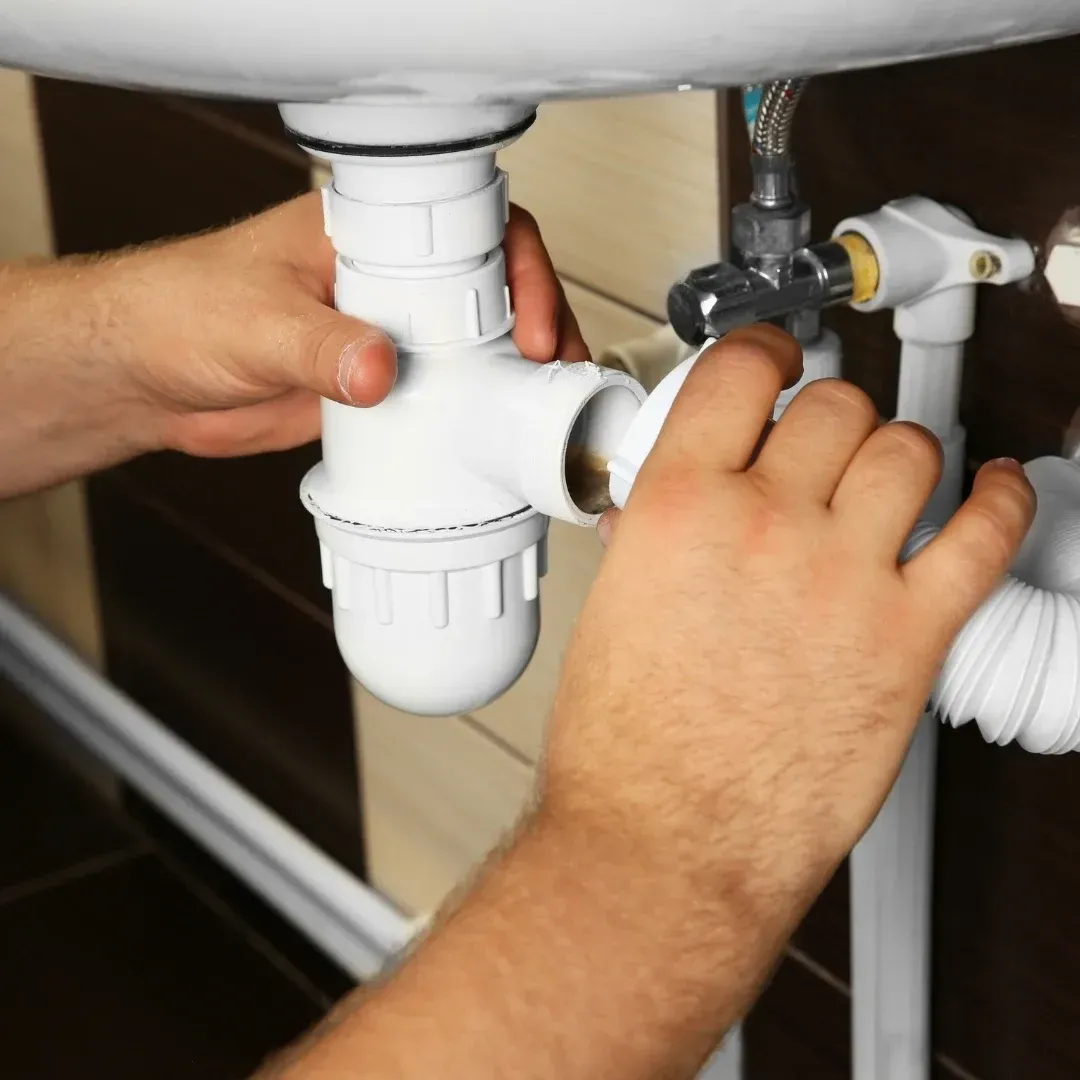
It is also worth checking the rest of your home while you are at it. A heater that keeps refilling may be masking a leak elsewhere, and our list of warning signs of a hidden water leak covers what to look for.
FAQs About Noisy Water Heater
Is a noisy water heater dangerous?
Popping and rumbling are not dangerous on their own, but they do mean the tank is working harder than it should. Hissing, sizzling, or water around the base is a different matter and needs attention the same day.
How often should I flush my water heater in Mesa?
Once a year is the general rule, though our hard water makes every six months a smarter schedule. The more minerals your water carries, the faster the layer rebuilds.
Can sediment buildup be removed completely?
Loose sediment flushes out easily. Once the layer hardens into scale on the tank floor, however, it bonds to the steel and cannot be removed without damaging the lining.
Why does my water heater make noise only in the morning?
Your tank sits idle overnight and then works hardest during the first big draw of the day. That heavy heating cycle stirs up sediment, which is why the popping is loudest before anyone else is awake.
Will a water softener stop the popping sound?
A softener will not clear out sediment that is already there, but it stops new minerals from entering the tank. Paired with a flush or a new heater, it keeps the problem from coming back.
Get Your Noisy Water Heater Checked in Mesa
You do not have to guess at what your tank is trying to tell you. Prompt Property Services works on water heaters across Mesa, Gilbert, Chandler, Queen Creek, Tempe, Gold Canyon, and Apache Junction, so we know exactly what our local water does to a tank over time.
Whether you need a flush, a repair, a replacement, or a water treatment system to protect the next unit, we will give you a straight answer about what the sound means and what it will take to fix it.
Call Prompt Property Services at (480) 207-8514 to schedule service for your noisy water heater today.