Blank white screen
What Changes in Your Mesa Kitchen After an RO System Install
November 6, 2026

Share this article

After a reverse osmosis system goes in, the change shows up at one tap, not across the whole house. You get a dedicated faucet at the kitchen sink that handles drinking, cooking, coffee, and ice. Every other tap keeps running exactly as it did before.


That catches some homeowners off guard. If you are picturing softer showers or spot-free dishes, those come from different equipment entirely. Here is what an RO system actually changes in a Mesa kitchen, what it leaves alone, and what owning one looks like once the installer drives away.

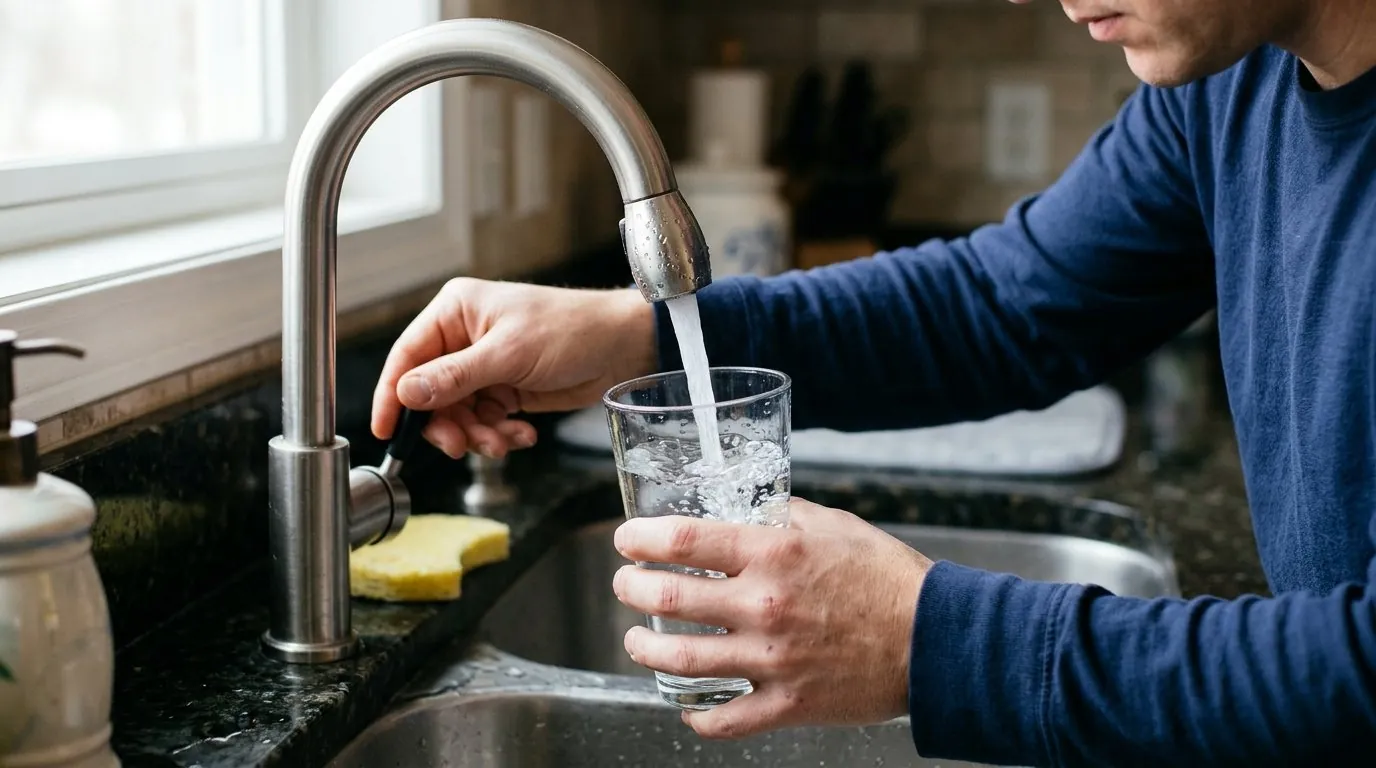
Homeowner filling a drinking glass from a stainless reverse osmosis faucet at a granite kitchen sink in Mesa, AZ

What You Notice in the First Week

Taste is the first thing most people notice, and it usually shows up in coffee before it shows up in a glass of water. The flat, slightly mineral edge that Mesa tap water can carry fades, and tea and coffee taste cleaner because the water underneath them is cleaner.


Ice is the second giveaway. Cubes come out clearer instead of cloudy, since much of that cloudiness comes from dissolved minerals rather than trapped air. A properly installed reverse osmosis system runs water through pre-filters, the membrane, and a final carbon polish before it ever reaches your glass.


One thing throws people: the new faucet runs slower than your main tap. That is normal. RO water collects in a small storage tank first, then refills over the next hour or two.

What RO Removes and What It Leaves Behind

An RO membrane blocks dissolved substances that carbon filters pass straight through, which is why it removes things a pitcher or refrigerator filter cannot. The CDC lists reverse osmosis as removing lead, copper, chromium, chloride, and sodium, and as able to reduce arsenic, fluoride, radium, sulfate, calcium, magnesium, potassium, nitrate, and phosphorous.


Here is the practical split for a Mesa home:

What RO handles at the kitchen tap What it leaves untouched
Dissolved minerals behind flat taste Scale on showerheads and fixtures
Lead and copper picked up in plumbing Chlorine smell in the shower
Nitrate and arsenic found in desert groundwater Sediment reaching the washing machine
Fluoride, which Mesa adds for dental health Flow and pressure at every other tap

That last item on the left deserves a flag. Filters pull out beneficial chemicals alongside the rest, and fluoride is the usual example, so mention it to your dentist if your family drinks mostly tap water. And if you are still weighing whole-home filtration against reverse osmosis, that comparison is worth working through before you commit to either one.

What RO Will Not Change in Your Home

Reverse osmosis will not soften your water, and it will not reach anything beyond the kitchen sink. Scale keeps forming on your fixtures, glassware keeps spotting in the dishwasher, and sediment keeps settling in your water heater.


Those are hardness problems, and they need water softeners rather than a drinking water system. Mesa water runs very hard across most of the city, which is why hard water shows up on showers, faucets, and appliances long before anyone complains about taste. RO and softening solve separate problems, so plenty of homes end up running both.

The Seasonal Taste Shift Behind Mesa Tap Water

If your tap water tastes musty or earthy in some months and fine in others, that shift is seasonal and has nothing to do with your plumbing. According to the City of Mesa, the usual causes are geosmin and MIB, harmless compounds tied to algae growth in lakes and canals, and the city adds powdered activated carbon during treatment to knock them down.


RO helps at the drinking tap because its carbon stages catch taste and odor compounds on the way through. It does nothing for the same smell in your shower, though, since that water never passes through the system. A whole home filtration setup is the piece that covers the rest of the house.

Living With an RO System After Year One

Upkeep is light, but it is not optional, and the system will tell you when it has been skipped. Plan on this rhythm:


  1. Replace pre-filters and post-filters about once a year, sooner in a household that goes through a lot of water.
  2. Replace the membrane far less often, typically after several years of normal use.
  3. Have storage tank pressure checked when the faucet starts filling noticeably slower.
  4. Have the drain line and fittings looked over for drips during any service visit.


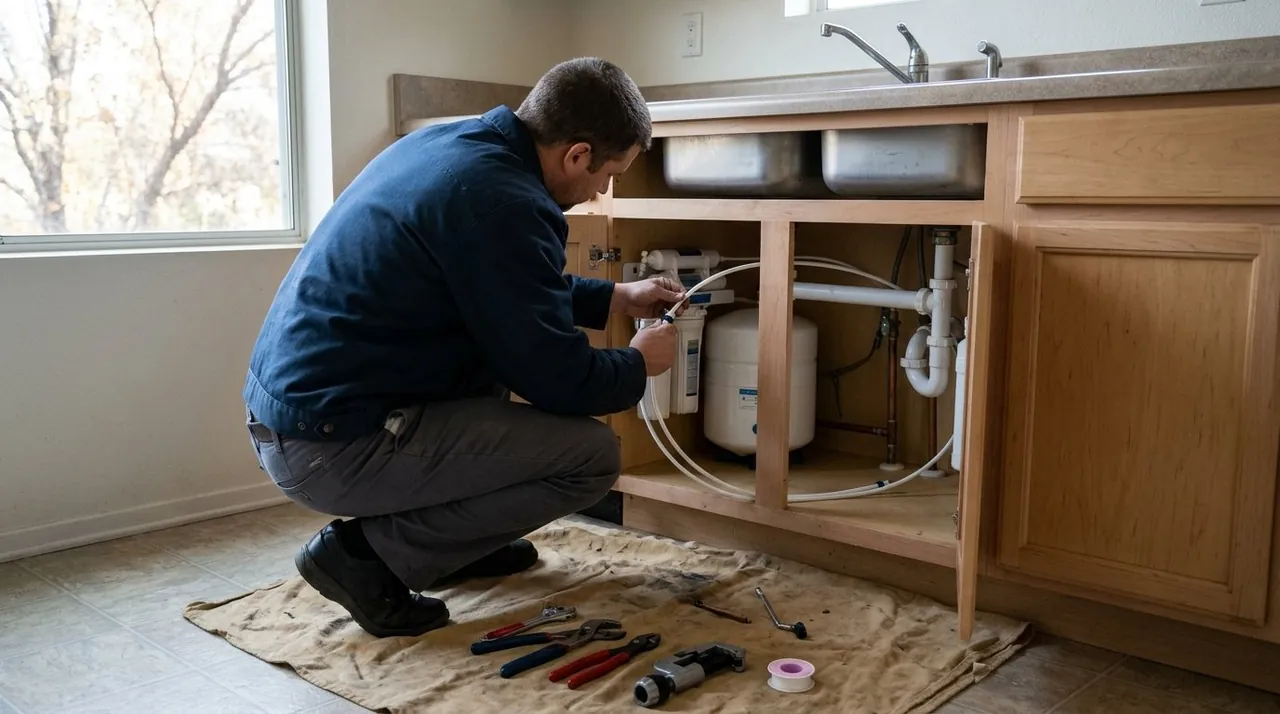
Two symptoms mean it is time to call. One is a slow trickle that never recovers, which usually points at tank pressure or a clogged pre-filter. The other is taste drifting back toward where it started, which usually means the membrane is done. Both are routine fixes in homes across Mesa and the East Valley.

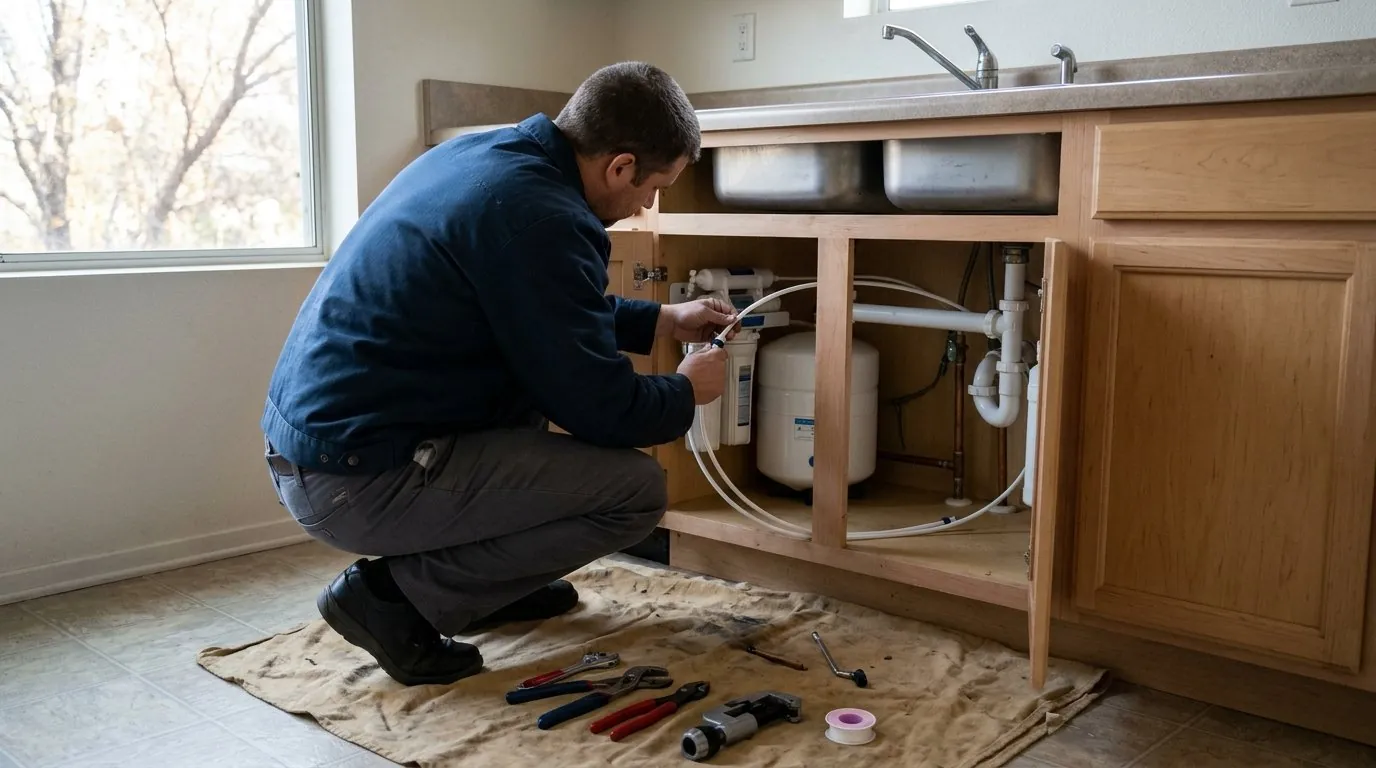
Plumber kneeling on a drop cloth connecting tubing to an under-sink reverse osmosis system and storage tank in a Mesa, AZ kitchen

Signs an RO System Fits Your Household

Not sure whether your kitchen would benefit? These usually point toward yes:


  • You buy bottled water out of habit rather than need.
  • Coffee and tea taste flat no matter which beans or leaves you use.
  • Ice comes out cloudy or carries an aftertaste.
  • You cook with a lot of water and would rather it be filtered.
  • A pitcher filter never quite fixed the mineral aftertaste.


If two or more sound familiar, have your setup evaluated before you buy a unit off a shelf. Cabinet space, shutoff valve condition, and drain access all affect which system fits.

FAQs About RO Systems in Mesa Kitchens

  • How long does a reverse osmosis installation take?

    Most under-sink installs are a few hours. It runs longer when the countertop needs a new hole drilled for the faucet, when old shutoff valves need replacing, or when the system ties into a refrigerator line.

  • Why does my RO faucet run slower than the main tap?

    Because it is drawing from a storage tank rather than straight off the water line. The membrane produces water gradually, so the tank acts as a buffer. A sudden drop in flow is different and worth a service call.

  • Can I run RO water to my refrigerator and ice maker?

    Often yes, depending on your plumbing layout and available pressure. It needs to be planned at installation, since the line and pressure requirements differ from a standard faucet connection.

  • Does reverse osmosis water taste flat to some people?

    A few people find it tastes thin at first, because dissolved minerals contribute to the mouthfeel of tap water. Most adjust within a week, and remineralization stages are available if you prefer a rounder taste.

  • Do I need a separate faucet for an RO system?

    Yes, a dedicated faucet is standard. It keeps filtered water separate from the high-volume tap you use for dishes, which protects the membrane from unnecessary wear.

Get Your Kitchen Water Sorted Out

If your tap water has never tasted quite right, or you are tired of hauling bottled water home every week, let's talk it through. We will look at your plumbing layout, your water use, and what is actually bothering you before recommending anything.


Call Prompt Property Services at 480-207-8514 or schedule an evaluation for your Mesa home.

Recent Posts

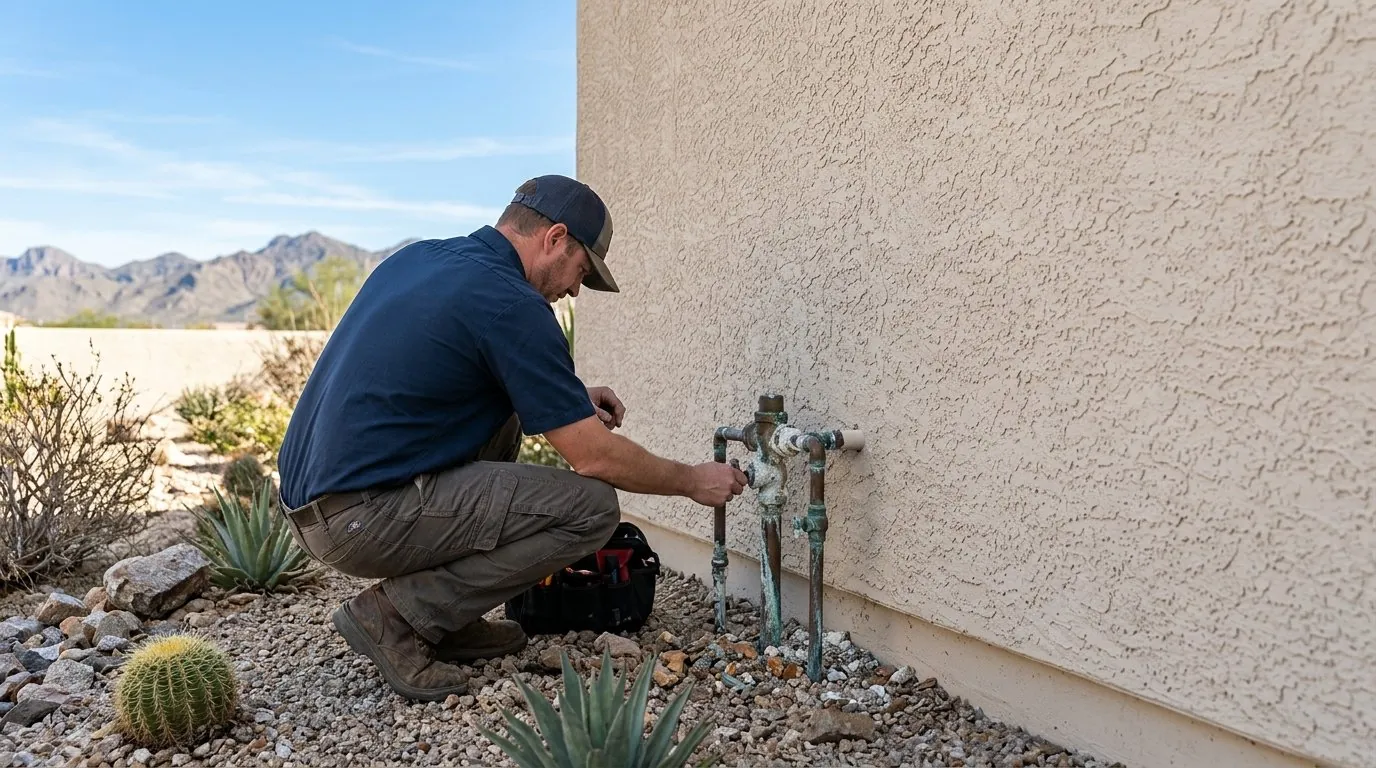
Technician crouching beside a stucco Mesa, AZ home to inspect a corroded exterior main water shut-off assembly in a gravel desert yard
November 6, 2026
Hard water can seize a shut-off valve without warning. Learn which valves to check in your Mesa, AZ home and what professional valve service covers.
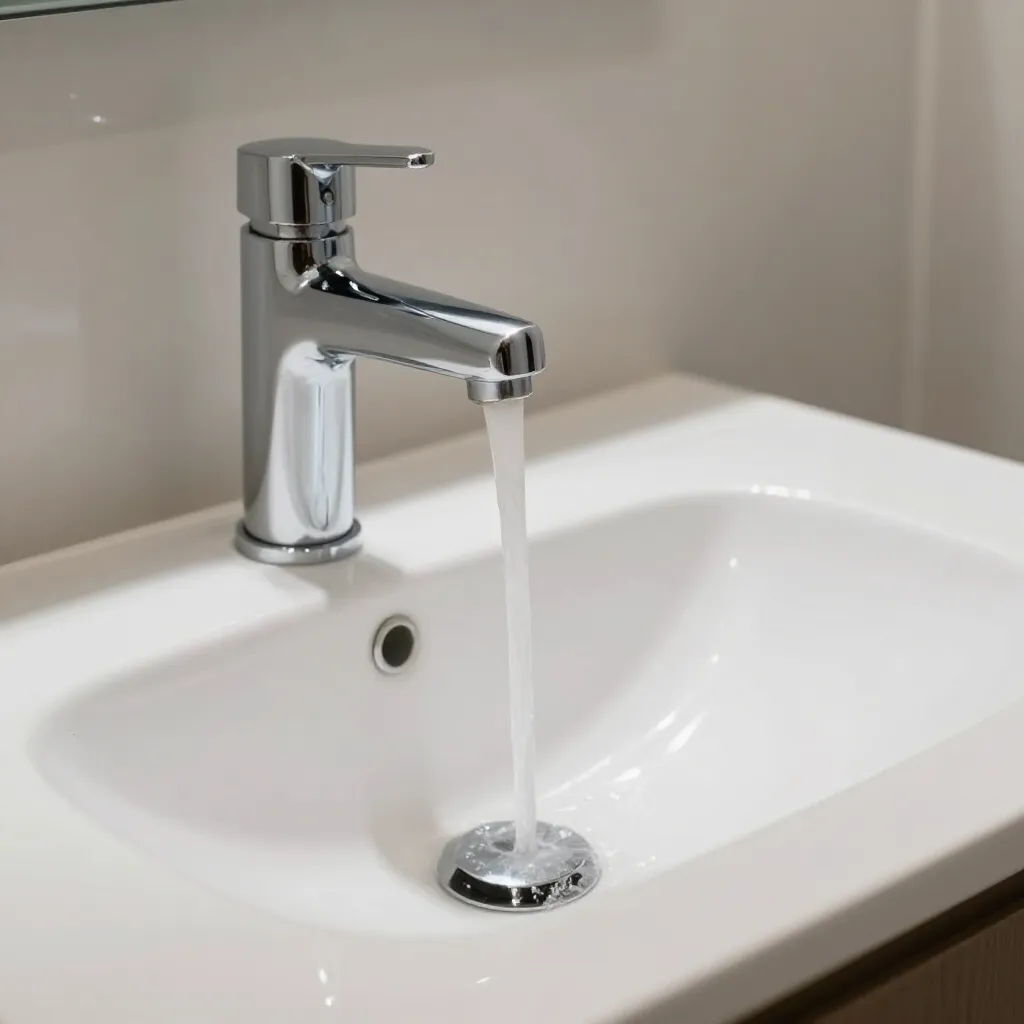
Chrome bathroom faucet running in a Mesa, AZ home where hard water leaves mineral buildup on fixtures
October 15, 2026
See how hard water damages showers, faucets, and appliances in Mesa homes and how to stop it. Call Prompt Property Services at (480) 207-8514.
Homeowner listening to a noisy water heater in a Mesa, AZ home
October 15, 2026
Popping, rumbling, or screeching water heater? Learn what a noisy water heater in Mesa means and call Prompt Property Services at (480) 207-8514.
Corroded under-sink pipe dripping water in a Mesa, AZ home
September 7, 2026
Learn the 7 leak detection signs that point to a hidden water leak in Mesa homes. Call Prompt Property Services at (480) 207-8514 for water leak repair in Mesa.
Wall-mounted whole-home water filtration system with twin filter cartridges installed in Mesa, AZ
September 7, 2026
Compare whole-home water filtration vs reverse osmosis in Mesa, AZ. See which system fits your home, then call Prompt Property Services at (480) 207-8514.
Water softener system installed in Mesa, AZ
August 7, 2026
Learn how a water softener can reduce scale, spots, soap scum, and mineral buildup in Mesa homes. Call 480-207-8514 for installation.
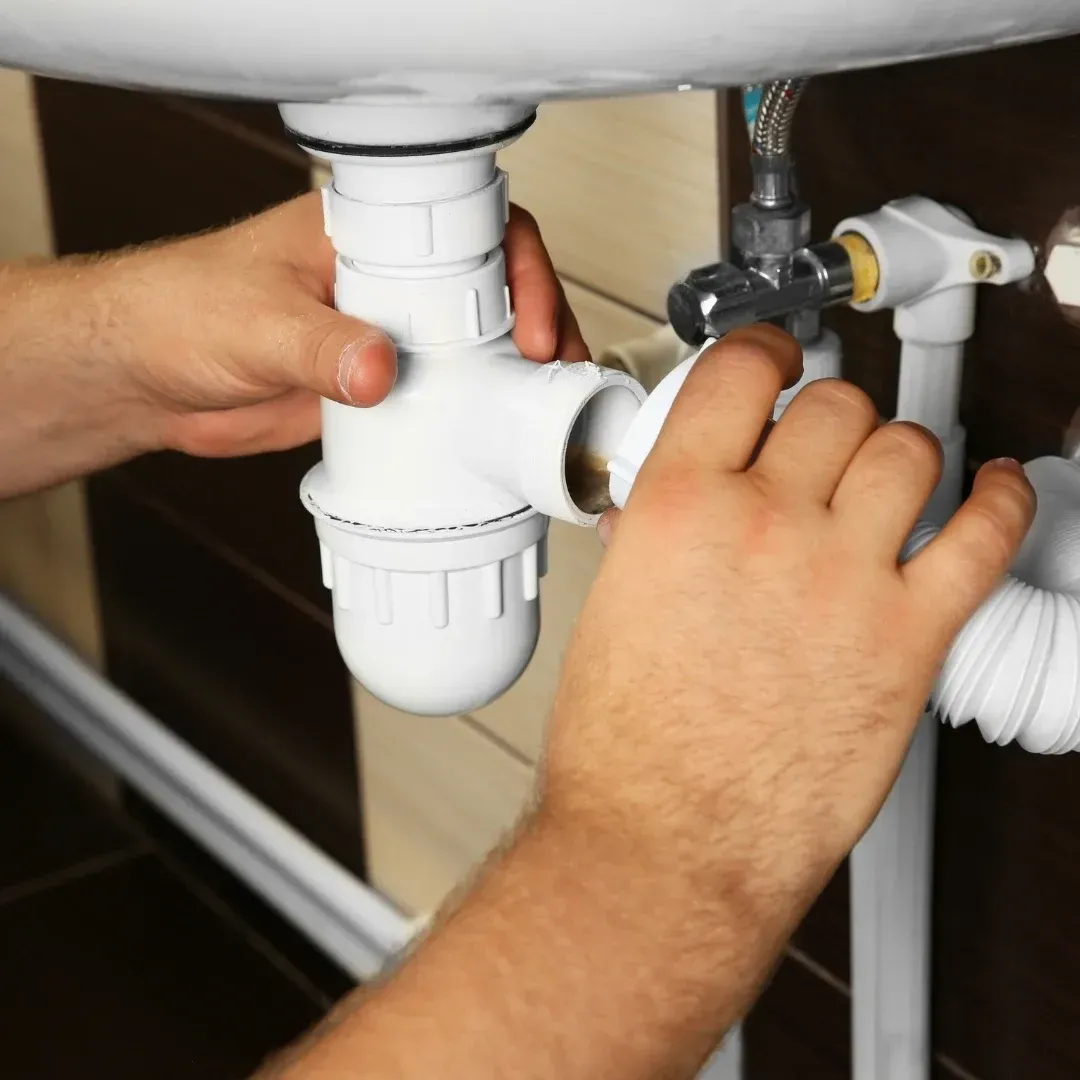
Fixing a plumbing problem under the sink in Mesa, AZ
August 7, 2026
Prevent plumbing emergencies in your Mesa home with a monthly checklist, early warning signs, hard-water tips, shutoff guidance, and maintenance advice.
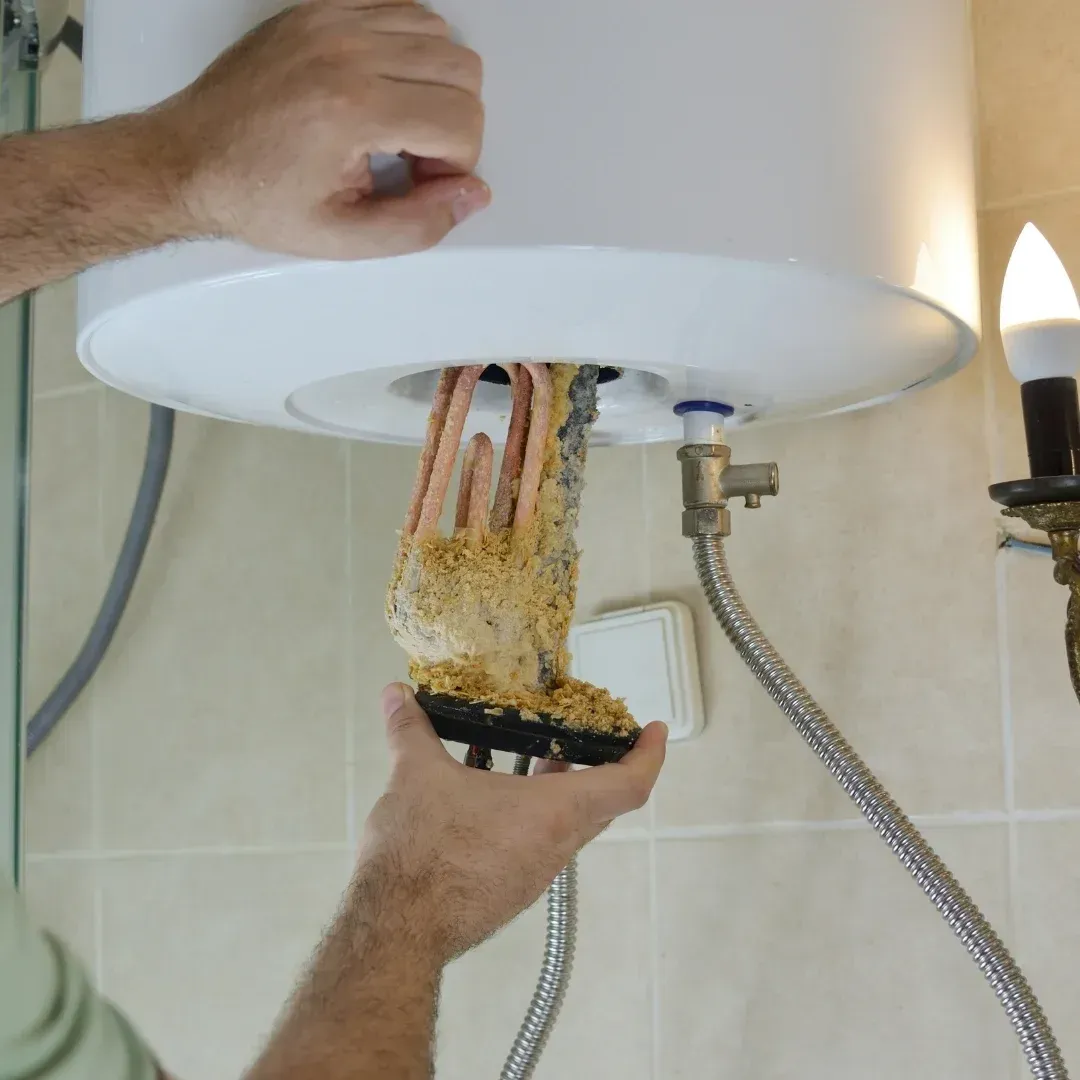
Hard water problems in the water heater
July 9, 2026
Learn the warning signs of water heater problems and call Prompt Property Services at 480-207-8514 for water heater repair in Mesa, AZ.
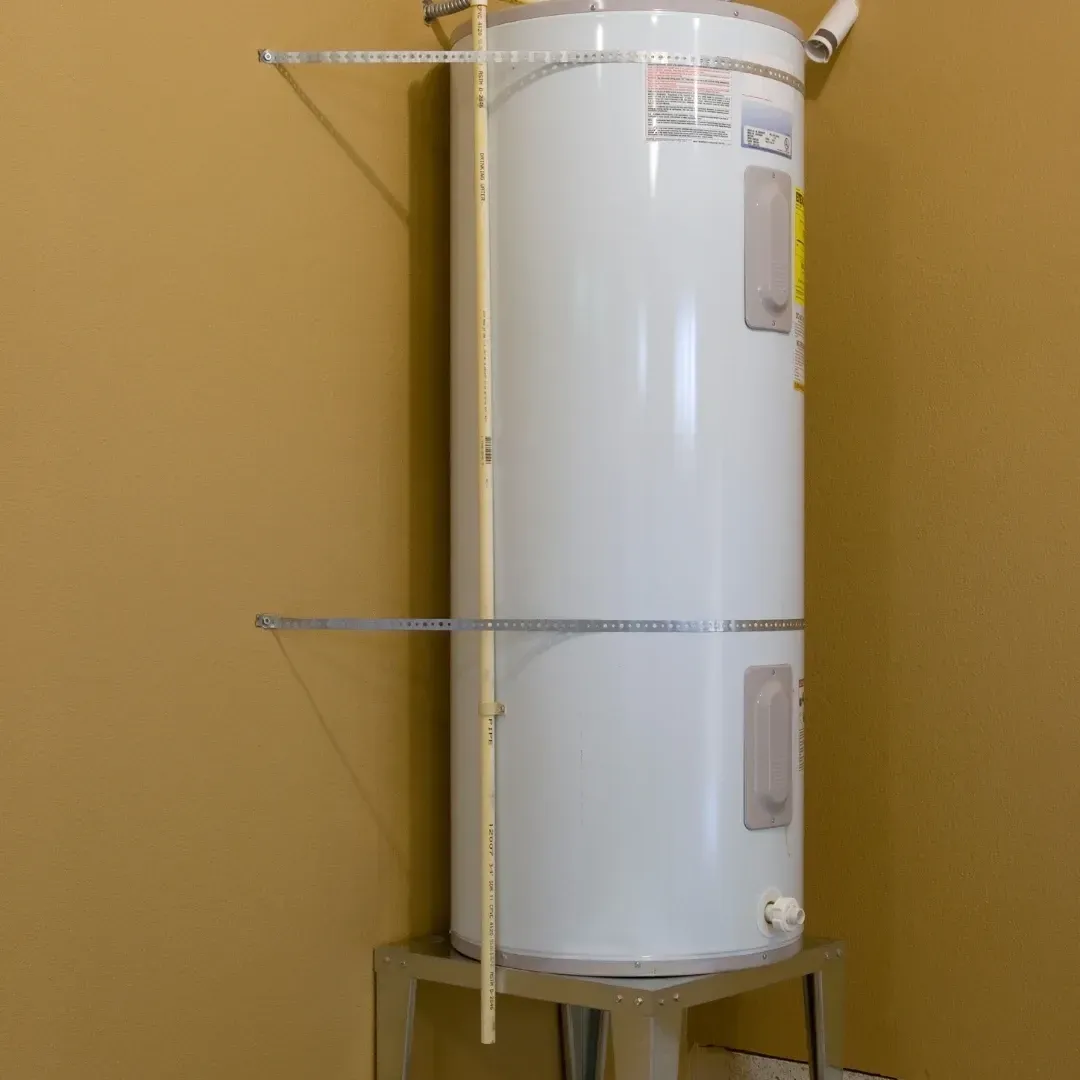
White water heater tank with metal support bars against a tan wall.
July 9, 2026
Compare tank vs. tankless water heaters for Mesa homes. Learn costs, pros, cons, and how to choose the best option. Call Prompt Property Services today.
Technician crouching beside a stucco Mesa, AZ home to inspect a corroded exterior main water shut-off assembly in a gravel desert yard
November 6, 2026
Hard water can seize a shut-off valve without warning. Learn which valves to check in your Mesa, AZ home and what professional valve service covers.
Chrome bathroom faucet running in a Mesa, AZ home where hard water leaves mineral buildup on fixtures
October 15, 2026
See how hard water damages showers, faucets, and appliances in Mesa homes and how to stop it. Call Prompt Property Services at (480) 207-8514.
Homeowner listening to a noisy water heater in a Mesa, AZ home
October 15, 2026
Popping, rumbling, or screeching water heater? Learn what a noisy water heater in Mesa means and call Prompt Property Services at (480) 207-8514.
Corroded under-sink pipe dripping water in a Mesa, AZ home
September 7, 2026
Learn the 7 leak detection signs that point to a hidden water leak in Mesa homes. Call Prompt Property Services at (480) 207-8514 for water leak repair in Mesa.
Wall-mounted whole-home water filtration system with twin filter cartridges installed in Mesa, AZ
September 7, 2026
Compare whole-home water filtration vs reverse osmosis in Mesa, AZ. See which system fits your home, then call Prompt Property Services at (480) 207-8514.
Water softener system installed in Mesa, AZ
August 7, 2026
Learn how a water softener can reduce scale, spots, soap scum, and mineral buildup in Mesa homes. Call 480-207-8514 for installation.
Fixing a plumbing problem under the sink in Mesa, AZ
August 7, 2026
Prevent plumbing emergencies in your Mesa home with a monthly checklist, early warning signs, hard-water tips, shutoff guidance, and maintenance advice.
Hard water problems in the water heater
July 9, 2026
Learn the warning signs of water heater problems and call Prompt Property Services at 480-207-8514 for water heater repair in Mesa, AZ.
White water heater tank with metal support bars against a tan wall.
July 9, 2026
Compare tank vs. tankless water heaters for Mesa homes. Learn costs, pros, cons, and how to choose the best option. Call Prompt Property Services today.
Blank white screen
What Changes in Your Mesa Kitchen After an RO System Install
November 6, 2026

Share this article

After a reverse osmosis system goes in, the change shows up at one tap, not across the whole house. You get a dedicated faucet at the kitchen sink that handles drinking, cooking, coffee, and ice. Every other tap keeps running exactly as it did before.


That catches some homeowners off guard. If you are picturing softer showers or spot-free dishes, those come from different equipment entirely. Here is what an RO system actually changes in a Mesa kitchen, what it leaves alone, and what owning one looks like once the installer drives away.

Homeowner filling a drinking glass from a stainless reverse osmosis faucet at a granite kitchen sink in Mesa, AZ

What You Notice in the First Week

Taste is the first thing most people notice, and it usually shows up in coffee before it shows up in a glass of water. The flat, slightly mineral edge that Mesa tap water can carry fades, and tea and coffee taste cleaner because the water underneath them is cleaner.


Ice is the second giveaway. Cubes come out clearer instead of cloudy, since much of that cloudiness comes from dissolved minerals rather than trapped air. A properly installed reverse osmosis system runs water through pre-filters, the membrane, and a final carbon polish before it ever reaches your glass.


One thing throws people: the new faucet runs slower than your main tap. That is normal. RO water collects in a small storage tank first, then refills over the next hour or two.

What RO Removes and What It Leaves Behind

An RO membrane blocks dissolved substances that carbon filters pass straight through, which is why it removes things a pitcher or refrigerator filter cannot. The CDC lists reverse osmosis as removing lead, copper, chromium, chloride, and sodium, and as able to reduce arsenic, fluoride, radium, sulfate, calcium, magnesium, potassium, nitrate, and phosphorous.


Here is the practical split for a Mesa home:

What RO handles at the kitchen tap What it leaves untouched
Dissolved minerals behind flat taste Scale on showerheads and fixtures
Lead and copper picked up in plumbing Chlorine smell in the shower
Nitrate and arsenic found in desert groundwater Sediment reaching the washing machine
Fluoride, which Mesa adds for dental health Flow and pressure at every other tap

That last item on the left deserves a flag. Filters pull out beneficial chemicals alongside the rest, and fluoride is the usual example, so mention it to your dentist if your family drinks mostly tap water. And if you are still weighing whole-home filtration against reverse osmosis, that comparison is worth working through before you commit to either one.

What RO Will Not Change in Your Home

Reverse osmosis will not soften your water, and it will not reach anything beyond the kitchen sink. Scale keeps forming on your fixtures, glassware keeps spotting in the dishwasher, and sediment keeps settling in your water heater.


Those are hardness problems, and they need water softeners rather than a drinking water system. Mesa water runs very hard across most of the city, which is why hard water shows up on showers, faucets, and appliances long before anyone complains about taste. RO and softening solve separate problems, so plenty of homes end up running both.

The Seasonal Taste Shift Behind Mesa Tap Water

If your tap water tastes musty or earthy in some months and fine in others, that shift is seasonal and has nothing to do with your plumbing. According to the City of Mesa, the usual causes are geosmin and MIB, harmless compounds tied to algae growth in lakes and canals, and the city adds powdered activated carbon during treatment to knock them down.


RO helps at the drinking tap because its carbon stages catch taste and odor compounds on the way through. It does nothing for the same smell in your shower, though, since that water never passes through the system. A whole home filtration setup is the piece that covers the rest of the house.

Living With an RO System After Year One

Upkeep is light, but it is not optional, and the system will tell you when it has been skipped. Plan on this rhythm:


  1. Replace pre-filters and post-filters about once a year, sooner in a household that goes through a lot of water.
  2. Replace the membrane far less often, typically after several years of normal use.
  3. Have storage tank pressure checked when the faucet starts filling noticeably slower.
  4. Have the drain line and fittings looked over for drips during any service visit.


Two symptoms mean it is time to call. One is a slow trickle that never recovers, which usually points at tank pressure or a clogged pre-filter. The other is taste drifting back toward where it started, which usually means the membrane is done. Both are routine fixes in homes across Mesa and the East Valley.

Plumber kneeling on a drop cloth connecting tubing to an under-sink reverse osmosis system and storage tank in a Mesa, AZ kitchen

Signs an RO System Fits Your Household

Not sure whether your kitchen would benefit? These usually point toward yes:


  • You buy bottled water out of habit rather than need.
  • Coffee and tea taste flat no matter which beans or leaves you use.
  • Ice comes out cloudy or carries an aftertaste.
  • You cook with a lot of water and would rather it be filtered.
  • A pitcher filter never quite fixed the mineral aftertaste.


If two or more sound familiar, have your setup evaluated before you buy a unit off a shelf. Cabinet space, shutoff valve condition, and drain access all affect which system fits.

FAQs About RO Systems in Mesa Kitchens

  • How long does a reverse osmosis installation take?

    Most under-sink installs are a few hours. It runs longer when the countertop needs a new hole drilled for the faucet, when old shutoff valves need replacing, or when the system ties into a refrigerator line.

  • Why does my RO faucet run slower than the main tap?

    Because it is drawing from a storage tank rather than straight off the water line. The membrane produces water gradually, so the tank acts as a buffer. A sudden drop in flow is different and worth a service call.

  • Can I run RO water to my refrigerator and ice maker?

    Often yes, depending on your plumbing layout and available pressure. It needs to be planned at installation, since the line and pressure requirements differ from a standard faucet connection.

  • Does reverse osmosis water taste flat to some people?

    A few people find it tastes thin at first, because dissolved minerals contribute to the mouthfeel of tap water. Most adjust within a week, and remineralization stages are available if you prefer a rounder taste.

  • Do I need a separate faucet for an RO system?

    Yes, a dedicated faucet is standard. It keeps filtered water separate from the high-volume tap you use for dishes, which protects the membrane from unnecessary wear.

Get Your Kitchen Water Sorted Out

If your tap water has never tasted quite right, or you are tired of hauling bottled water home every week, let's talk it through. We will look at your plumbing layout, your water use, and what is actually bothering you before recommending anything.


Call Prompt Property Services at 480-207-8514 or schedule an evaluation for your Mesa home.

Recent Posts

Technician crouching beside a stucco Mesa, AZ home to inspect a corroded exterior main water shut-off assembly in a gravel desert yard
November 6, 2026
Hard water can seize a shut-off valve without warning. Learn which valves to check in your Mesa, AZ home and what professional valve service covers.
Chrome bathroom faucet running in a Mesa, AZ home where hard water leaves mineral buildup on fixtures
October 15, 2026
See how hard water damages showers, faucets, and appliances in Mesa homes and how to stop it. Call Prompt Property Services at (480) 207-8514.
Homeowner listening to a noisy water heater in a Mesa, AZ home
October 15, 2026
Popping, rumbling, or screeching water heater? Learn what a noisy water heater in Mesa means and call Prompt Property Services at (480) 207-8514.
Corroded under-sink pipe dripping water in a Mesa, AZ home
September 7, 2026
Learn the 7 leak detection signs that point to a hidden water leak in Mesa homes. Call Prompt Property Services at (480) 207-8514 for water leak repair in Mesa.
Wall-mounted whole-home water filtration system with twin filter cartridges installed in Mesa, AZ
September 7, 2026
Compare whole-home water filtration vs reverse osmosis in Mesa, AZ. See which system fits your home, then call Prompt Property Services at (480) 207-8514.
Water softener system installed in Mesa, AZ
August 7, 2026
Learn how a water softener can reduce scale, spots, soap scum, and mineral buildup in Mesa homes. Call 480-207-8514 for installation.
Fixing a plumbing problem under the sink in Mesa, AZ
August 7, 2026
Prevent plumbing emergencies in your Mesa home with a monthly checklist, early warning signs, hard-water tips, shutoff guidance, and maintenance advice.
Hard water problems in the water heater
July 9, 2026
Learn the warning signs of water heater problems and call Prompt Property Services at 480-207-8514 for water heater repair in Mesa, AZ.
White water heater tank with metal support bars against a tan wall.
July 9, 2026
Compare tank vs. tankless water heaters for Mesa homes. Learn costs, pros, cons, and how to choose the best option. Call Prompt Property Services today.
Blank white screen

What Changes in Your Mesa Kitchen After an RO System Install

November 6, 2026

Share this article

After a reverse osmosis system goes in, the change shows up at one tap, not across the whole house. You get a dedicated faucet at the kitchen sink that handles drinking, cooking, coffee, and ice. Every other tap keeps running exactly as it did before.


That catches some homeowners off guard. If you are picturing softer showers or spot-free dishes, those come from different equipment entirely. Here is what an RO system actually changes in a Mesa kitchen, what it leaves alone, and what owning one looks like once the installer drives away.

Homeowner filling a drinking glass from a stainless reverse osmosis faucet at a granite kitchen sink in Mesa, AZ

What You Notice in the First Week

Taste is the first thing most people notice, and it usually shows up in coffee before it shows up in a glass of water. The flat, slightly mineral edge that Mesa tap water can carry fades, and tea and coffee taste cleaner because the water underneath them is cleaner.


Ice is the second giveaway. Cubes come out clearer instead of cloudy, since much of that cloudiness comes from dissolved minerals rather than trapped air. A properly installed reverse osmosis system runs water through pre-filters, the membrane, and a final carbon polish before it ever reaches your glass.


One thing throws people: the new faucet runs slower than your main tap. That is normal. RO water collects in a small storage tank first, then refills over the next hour or two.

What RO Removes and What It Leaves Behind

An RO membrane blocks dissolved substances that carbon filters pass straight through, which is why it removes things a pitcher or refrigerator filter cannot. The CDC lists reverse osmosis as removing lead, copper, chromium, chloride, and sodium, and as able to reduce arsenic, fluoride, radium, sulfate, calcium, magnesium, potassium, nitrate, and phosphorous.


Here is the practical split for a Mesa home:

What RO handles at the kitchen tap What it leaves untouched
Dissolved minerals behind flat taste Scale on showerheads and fixtures
Lead and copper picked up in plumbing Chlorine smell in the shower
Nitrate and arsenic found in desert groundwater Sediment reaching the washing machine
Fluoride, which Mesa adds for dental health Flow and pressure at every other tap

That last item on the left deserves a flag. Filters pull out beneficial chemicals alongside the rest, and fluoride is the usual example, so mention it to your dentist if your family drinks mostly tap water. And if you are still weighing whole-home filtration against reverse osmosis, that comparison is worth working through before you commit to either one.

What RO Will Not Change in Your Home

Reverse osmosis will not soften your water, and it will not reach anything beyond the kitchen sink. Scale keeps forming on your fixtures, glassware keeps spotting in the dishwasher, and sediment keeps settling in your water heater.


Those are hardness problems, and they need water softeners rather than a drinking water system. Mesa water runs very hard across most of the city, which is why hard water shows up on showers, faucets, and appliances long before anyone complains about taste. RO and softening solve separate problems, so plenty of homes end up running both.

The Seasonal Taste Shift Behind Mesa Tap Water

If your tap water tastes musty or earthy in some months and fine in others, that shift is seasonal and has nothing to do with your plumbing. According to the City of Mesa, the usual causes are geosmin and MIB, harmless compounds tied to algae growth in lakes and canals, and the city adds powdered activated carbon during treatment to knock them down.


RO helps at the drinking tap because its carbon stages catch taste and odor compounds on the way through. It does nothing for the same smell in your shower, though, since that water never passes through the system. A whole home filtration setup is the piece that covers the rest of the house.

Living With an RO System After Year One

Upkeep is light, but it is not optional, and the system will tell you when it has been skipped. Plan on this rhythm:


  1. Replace pre-filters and post-filters about once a year, sooner in a household that goes through a lot of water.
  2. Replace the membrane far less often, typically after several years of normal use.
  3. Have storage tank pressure checked when the faucet starts filling noticeably slower.
  4. Have the drain line and fittings looked over for drips during any service visit.


Two symptoms mean it is time to call. One is a slow trickle that never recovers, which usually points at tank pressure or a clogged pre-filter. The other is taste drifting back toward where it started, which usually means the membrane is done. Both are routine fixes in homes across Mesa and the East Valley.

Plumber kneeling on a drop cloth connecting tubing to an under-sink reverse osmosis system and storage tank in a Mesa, AZ kitchen

Signs an RO System Fits Your Household

Not sure whether your kitchen would benefit? These usually point toward yes:


  • You buy bottled water out of habit rather than need.
  • Coffee and tea taste flat no matter which beans or leaves you use.
  • Ice comes out cloudy or carries an aftertaste.
  • You cook with a lot of water and would rather it be filtered.
  • A pitcher filter never quite fixed the mineral aftertaste.


If two or more sound familiar, have your setup evaluated before you buy a unit off a shelf. Cabinet space, shutoff valve condition, and drain access all affect which system fits.

FAQs About RO Systems in Mesa Kitchens

  • How long does a reverse osmosis installation take?

    Most under-sink installs are a few hours. It runs longer when the countertop needs a new hole drilled for the faucet, when old shutoff valves need replacing, or when the system ties into a refrigerator line.

  • Why does my RO faucet run slower than the main tap?

    Because it is drawing from a storage tank rather than straight off the water line. The membrane produces water gradually, so the tank acts as a buffer. A sudden drop in flow is different and worth a service call.

  • Can I run RO water to my refrigerator and ice maker?

    Often yes, depending on your plumbing layout and available pressure. It needs to be planned at installation, since the line and pressure requirements differ from a standard faucet connection.

  • Does reverse osmosis water taste flat to some people?

    A few people find it tastes thin at first, because dissolved minerals contribute to the mouthfeel of tap water. Most adjust within a week, and remineralization stages are available if you prefer a rounder taste.

  • Do I need a separate faucet for an RO system?

    Yes, a dedicated faucet is standard. It keeps filtered water separate from the high-volume tap you use for dishes, which protects the membrane from unnecessary wear.

Get Your Kitchen Water Sorted Out

If your tap water has never tasted quite right, or you are tired of hauling bottled water home every week, let's talk it through. We will look at your plumbing layout, your water use, and what is actually bothering you before recommending anything.


Call Prompt Property Services at 480-207-8514 or schedule an evaluation for your Mesa home.

Recent Posts

Technician crouching beside a stucco Mesa, AZ home to inspect a corroded exterior main water shut-off assembly in a gravel desert yard
November 6, 2026
Hard water can seize a shut-off valve without warning. Learn which valves to check in your Mesa, AZ home and what professional valve service covers.
Chrome bathroom faucet running in a Mesa, AZ home where hard water leaves mineral buildup on fixtures
October 15, 2026
See how hard water damages showers, faucets, and appliances in Mesa homes and how to stop it. Call Prompt Property Services at (480) 207-8514.
Homeowner listening to a noisy water heater in a Mesa, AZ home
October 15, 2026
Popping, rumbling, or screeching water heater? Learn what a noisy water heater in Mesa means and call Prompt Property Services at (480) 207-8514.
Corroded under-sink pipe dripping water in a Mesa, AZ home
September 7, 2026
Learn the 7 leak detection signs that point to a hidden water leak in Mesa homes. Call Prompt Property Services at (480) 207-8514 for water leak repair in Mesa.
Wall-mounted whole-home water filtration system with twin filter cartridges installed in Mesa, AZ
September 7, 2026
Compare whole-home water filtration vs reverse osmosis in Mesa, AZ. See which system fits your home, then call Prompt Property Services at (480) 207-8514.
Water softener system installed in Mesa, AZ
August 7, 2026
Learn how a water softener can reduce scale, spots, soap scum, and mineral buildup in Mesa homes. Call 480-207-8514 for installation.
Fixing a plumbing problem under the sink in Mesa, AZ
August 7, 2026
Prevent plumbing emergencies in your Mesa home with a monthly checklist, early warning signs, hard-water tips, shutoff guidance, and maintenance advice.
Hard water problems in the water heater
July 9, 2026
Learn the warning signs of water heater problems and call Prompt Property Services at 480-207-8514 for water heater repair in Mesa, AZ.
White water heater tank with metal support bars against a tan wall.
July 9, 2026
Compare tank vs. tankless water heaters for Mesa homes. Learn costs, pros, cons, and how to choose the best option. Call Prompt Property Services today.