When Should Mesa Homeowners Call a Plumber for Plumbing Repair?
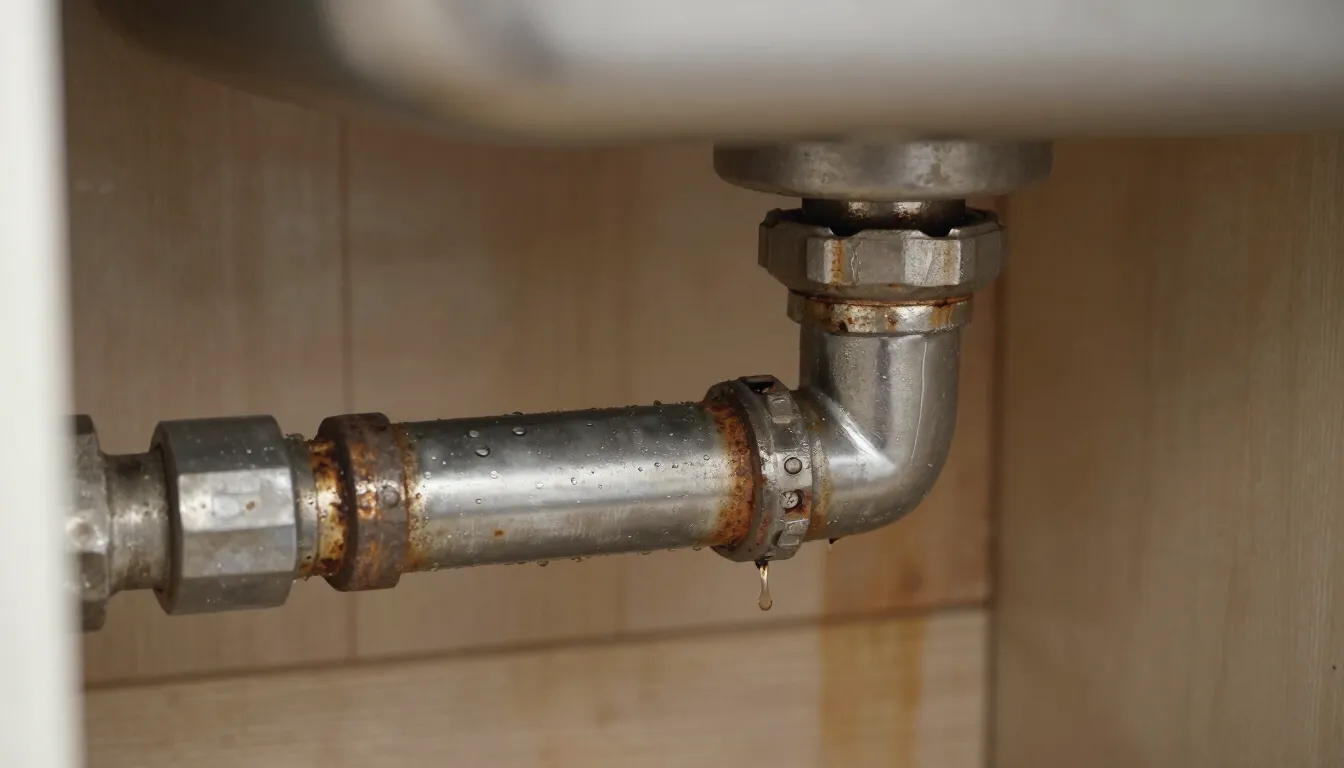
A hidden water leak is
water escaping from a pipe, fitting, or appliance line somewhere you cannot see, such as inside a wall, under your slab, or behind your water heater. Here is the good news: almost every hidden water leak Mesa homeowners deal with gives you clues first. Once you know those clues, you can
act early and keep a small fix from turning into new flooring, drywall, and paint.
How Common Is a Hidden Water Leak in Mesa Homes?
Hidden leaks are far more common than most homeowners expect. According to the EPA's WaterSense program,
the average household wastes more than 9,300 gallons of water each year through leaks, and
about 9% of homes have leaks that waste 50 gallons or more every single day. In other words, a leak does not have to be dramatic to get expensive. Since slow drips rarely announce themselves, it also helps to know how to
prevent plumbing emergencies before they start.


1. Your Water Bill Jumps Without Explanation
A sudden jump in your water bill, with no change in how you use water, is one of the clearest leak detection signs there is. Pull up your last 3 or 4 bills and compare the gallons used, not just the dollar amount.
Red flags include:
- Usage climbing month after month while your habits stay the same
- A bill much higher than the same month last year
- High usage during a month when you were out of town
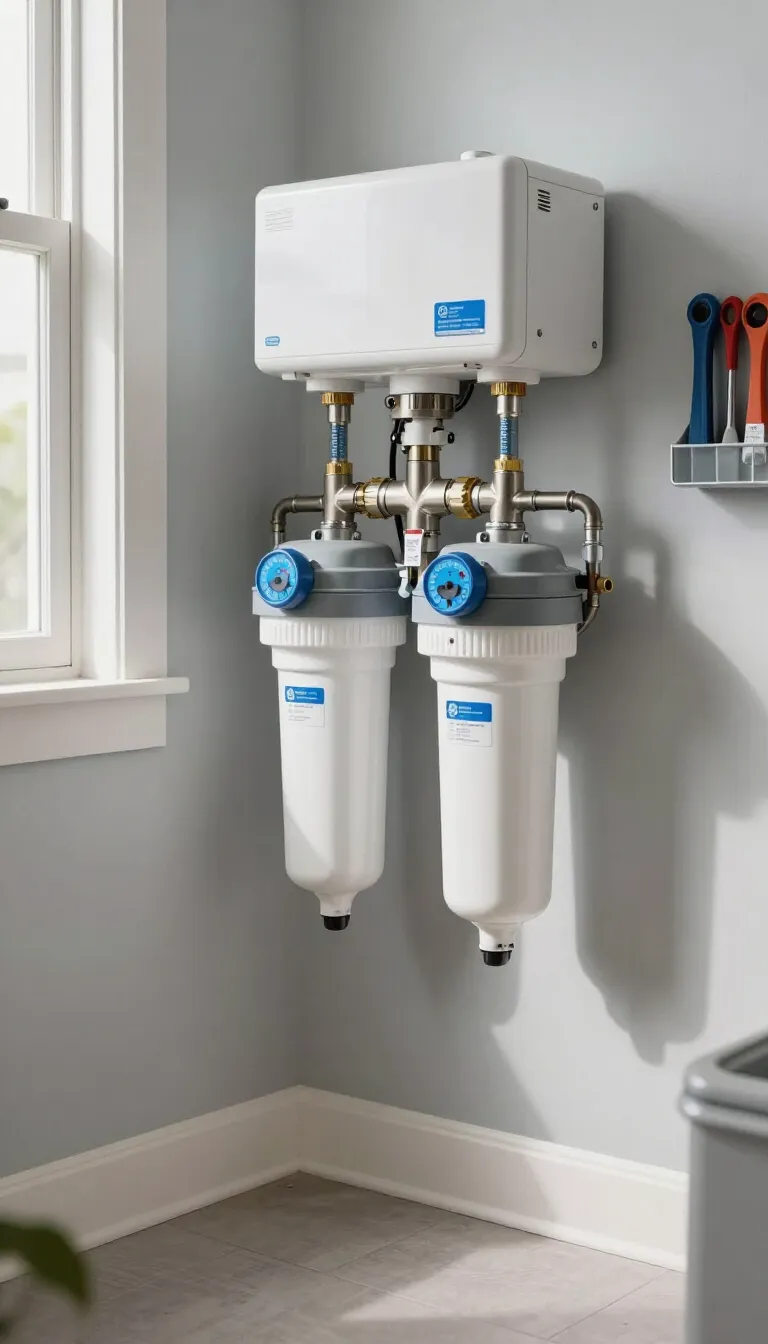
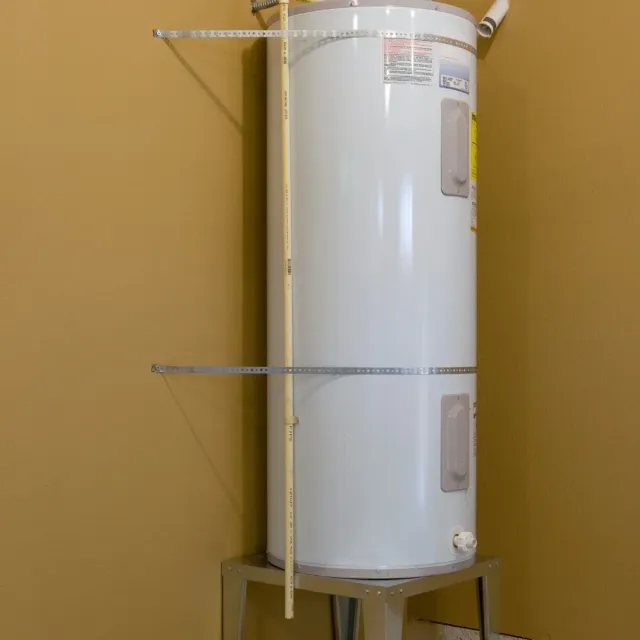
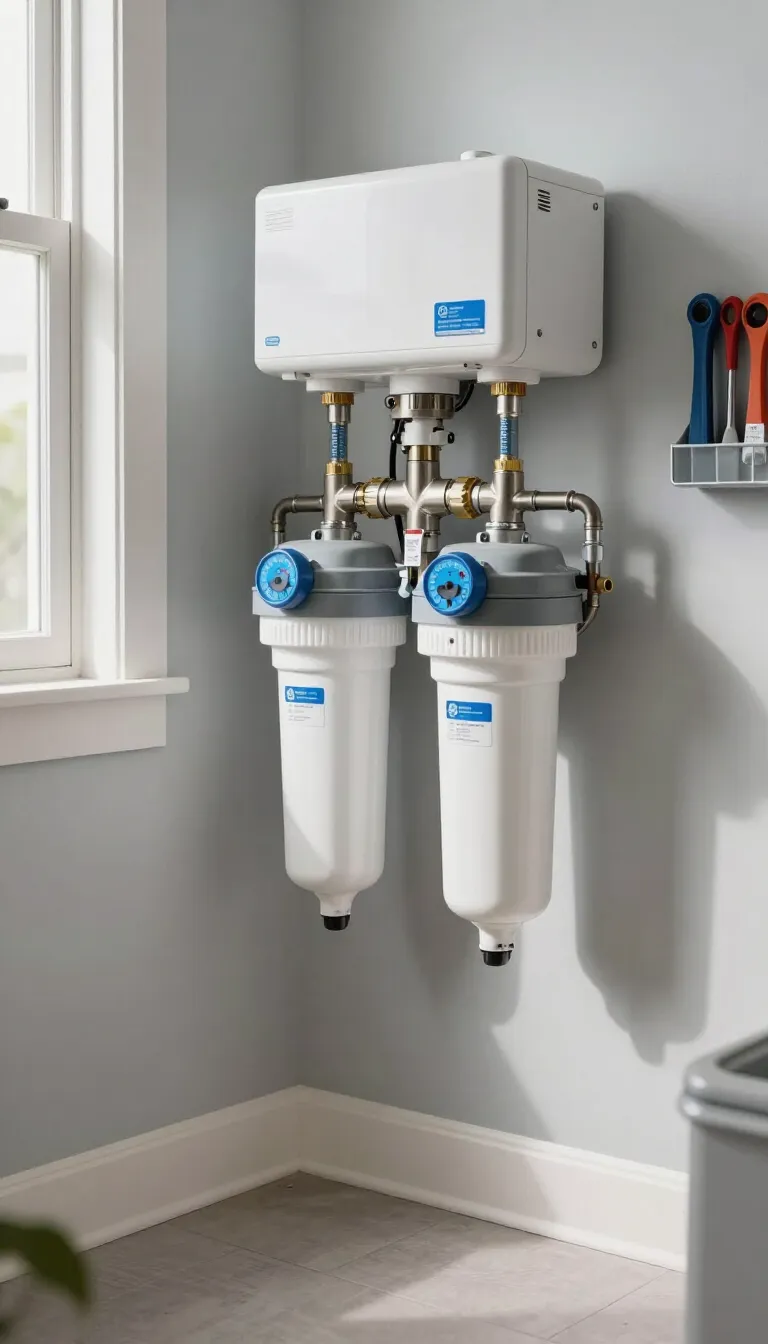
Tank water heaters store hot water in a large tank, while tankless water heaters heat water only when you need it.
Both can work well in Mesa homes, but they solve different problems.
| Plumbing Risk | Preventive Action |
|---|---|
| Hidden leak | Check cabinets, toilets, appliances, and the water meter |
| Burst supply line | Inspect for corrosion, bulging, cracks, and dampness |
| Drain backup | Investigate recurring slow or gurgling drains |
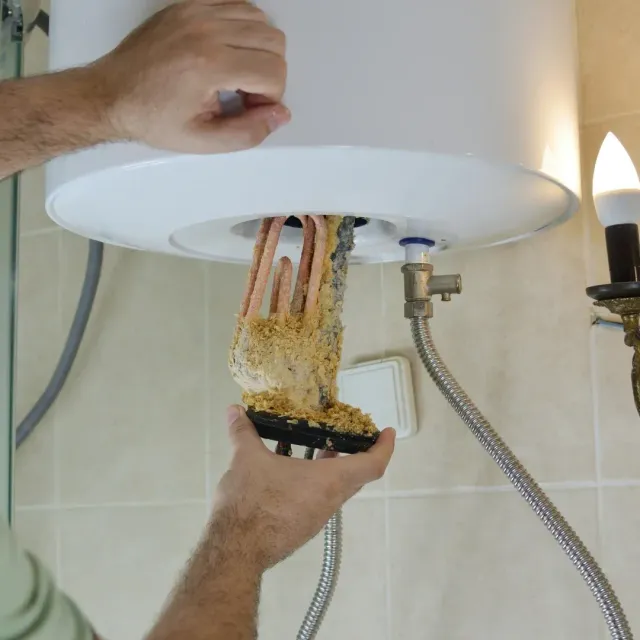
| Water heater leak | Watch for moisture, corrosion, noise, and rusty water |
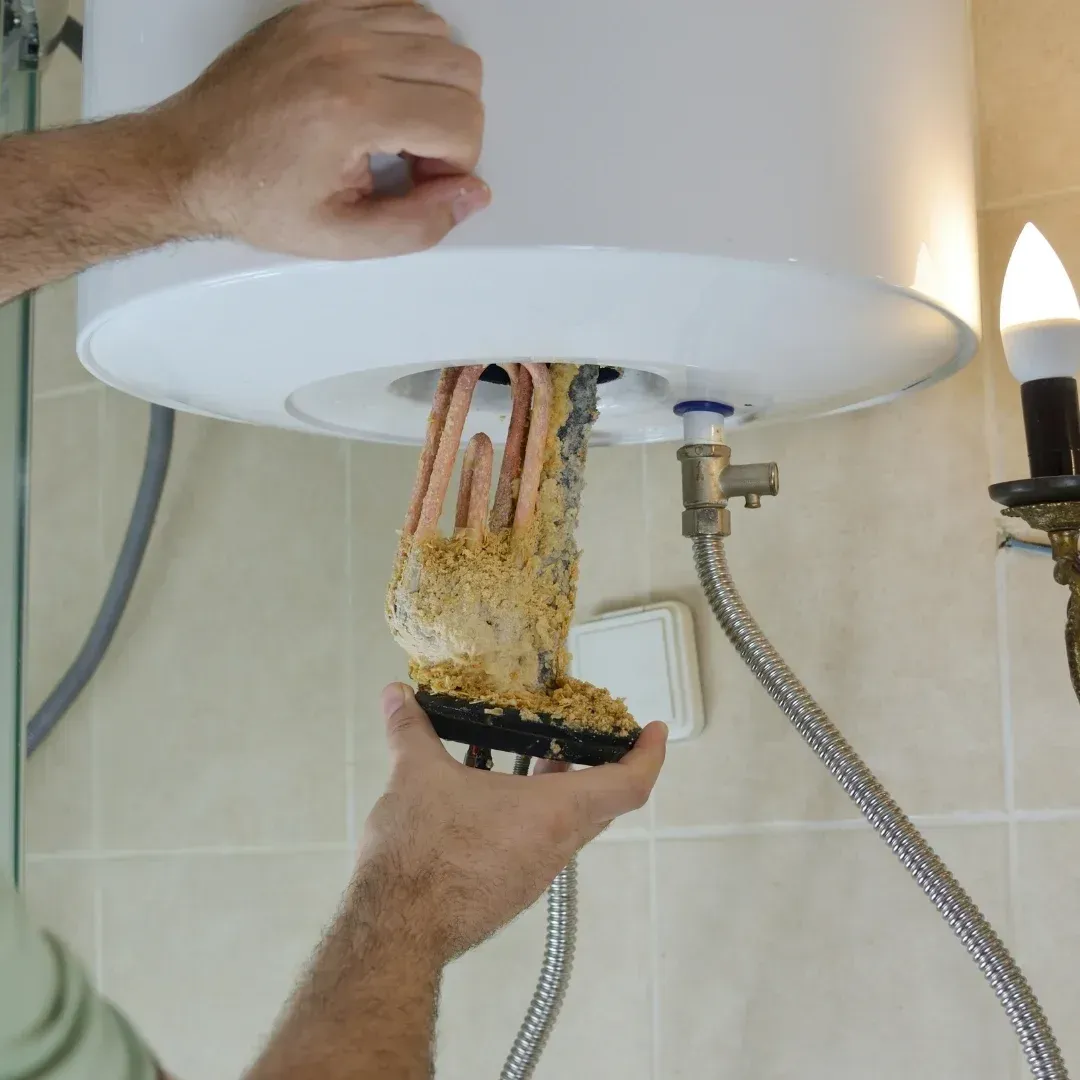
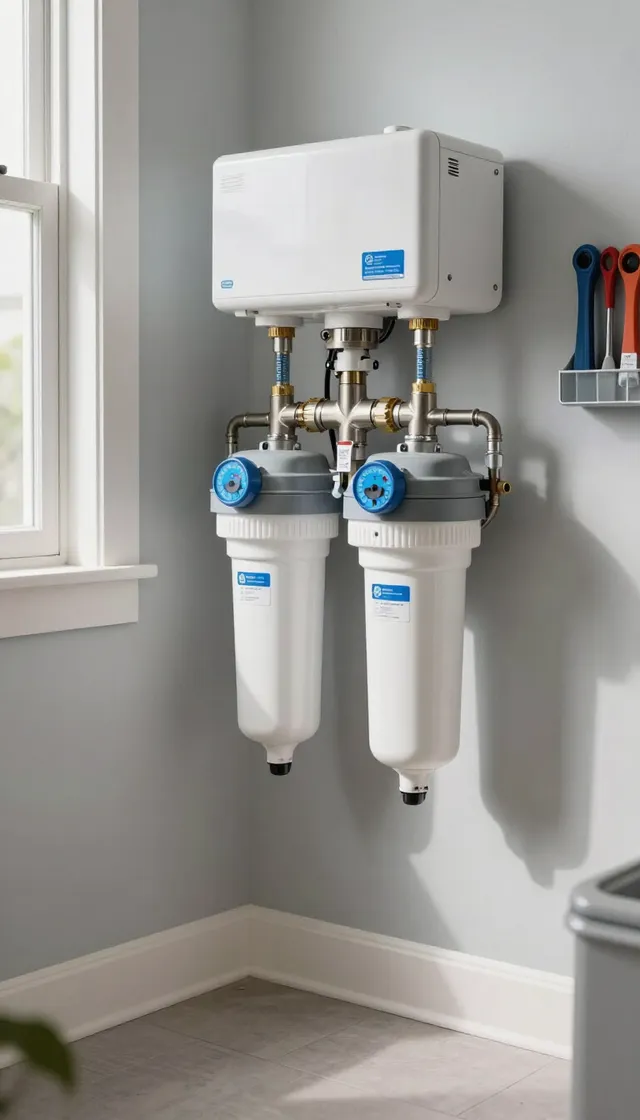
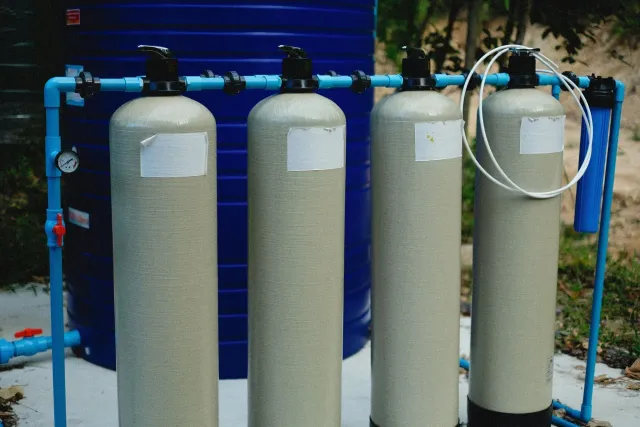
| Hard-water buildup | Clean aerators and maintain water-treatment equipment |
| Uncontrolled water | Locate accessible shutoff valves and have stiff or corroded valves evaluated |
2. You Hear Water Running When Everything Is Off
If
you hear running, hissing, or trickling water while every faucet and appliance is off, water is very likely moving through a pipe it should not be. Try this at night when the house is quiet. Turn off all water, then listen near walls, in the laundry area, and around your water heater. Keep in mind that sound travels along pipes, so the noise may be loudest a few feet away from the actual break.
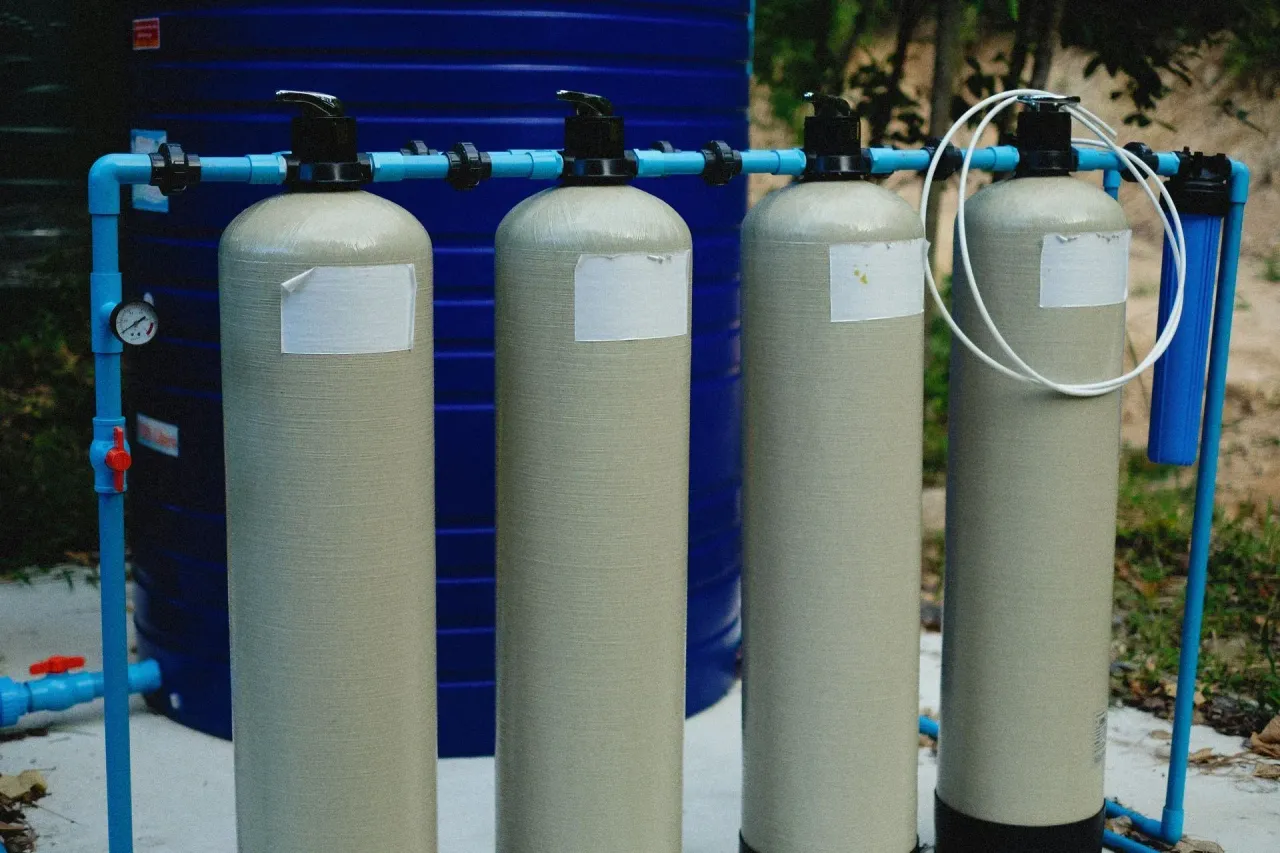
Hardness minerals and soap residue can make towels, clothing, and bedding feel stiff after washing. Reducing these minerals may help fabrics rinse more thoroughly and feel less rough.
3. You Find a Warm or Damp Spot on the Floor
A warm spot on your tile usually means a hot water line is leaking beneath your slab. A cool damp patch or soft, buckling flooring points to a cold line or a drain line instead. Either way, a hidden water leak under concrete needs fast attention because it can loosen tile, warp wood, and soak framing.
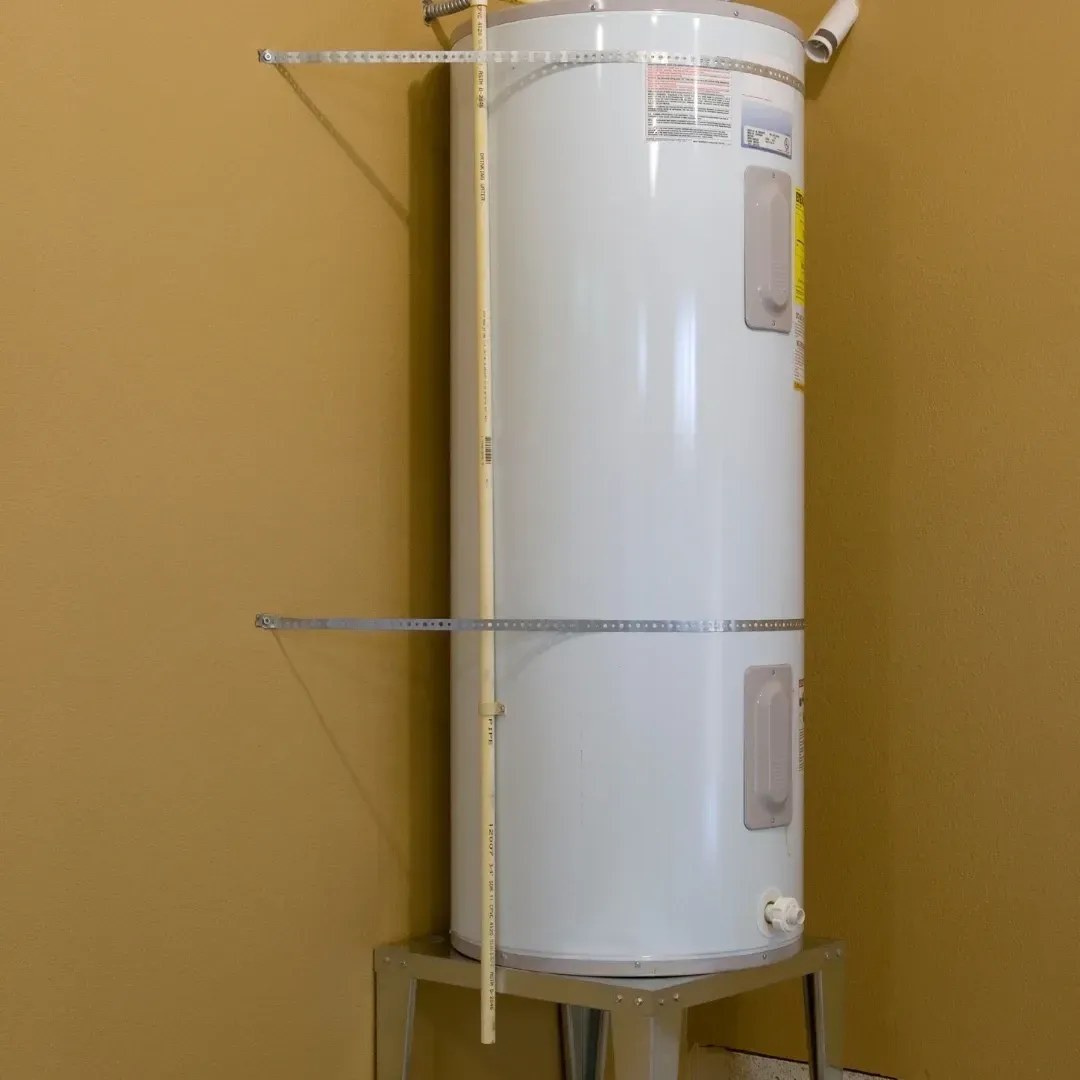
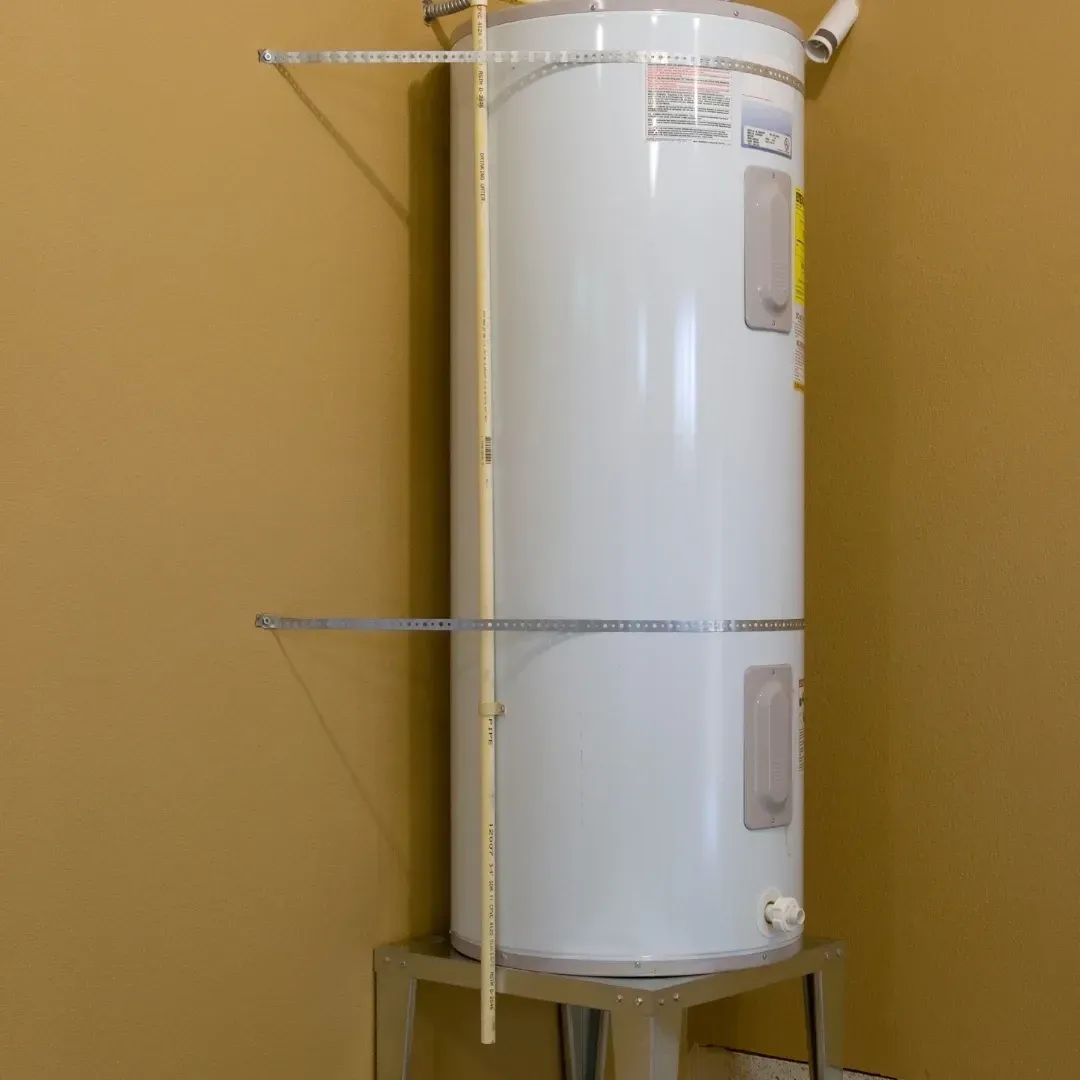
Also check the area around your tank. If you spot pooling water at the base, rust streaks, or moisture on nearby drywall, ask about
water heater replacement before the tank gives out completely.
4. Musty Smells, Mold, or Peeling Paint
A musty odor in one room often shows up before any visible water does. Our air is dry here, so that damp smell stands out. Trust your nose, then look for these supporting clues:
- Bubbling paint or lifting wallpaper
- Soft, swollen, or discolored baseboards
- Dark spots in grout, under sinks, or behind toilets
- Condensation on a wall that has no plumbing fixture in front of it
5. Your Water Pressure Drops
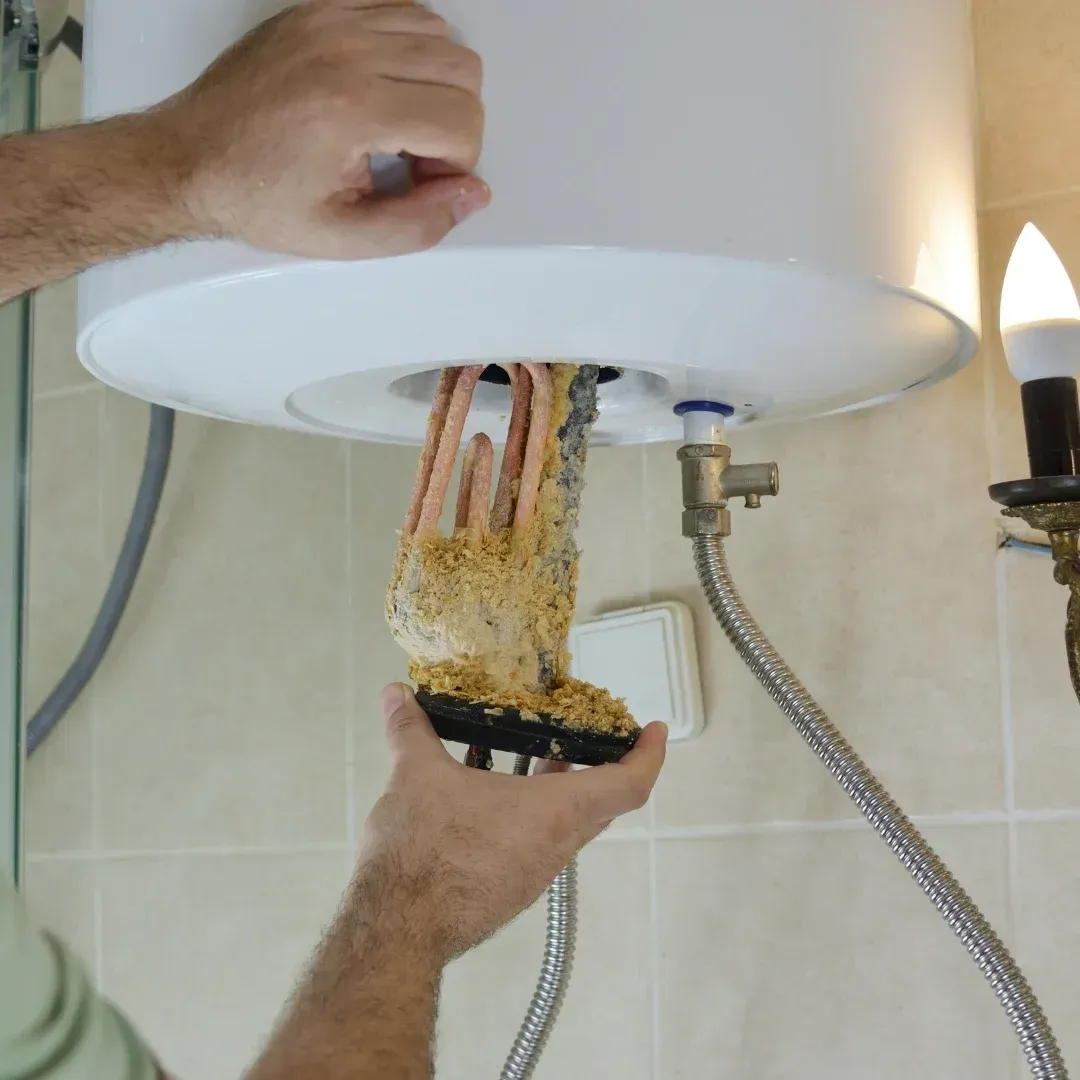
When pressure falls at two or more fixtures at once, water may be escaping before it ever reaches your faucet. That said, mineral buildup causes similar symptoms in the East Valley. The City of Mesa's water quality report puts local hardness at roughly 12 to 22 grains per gallon depending on your zone, which is well into the very hard range. Over the years, that scale narrows pipes and wears out valves, so
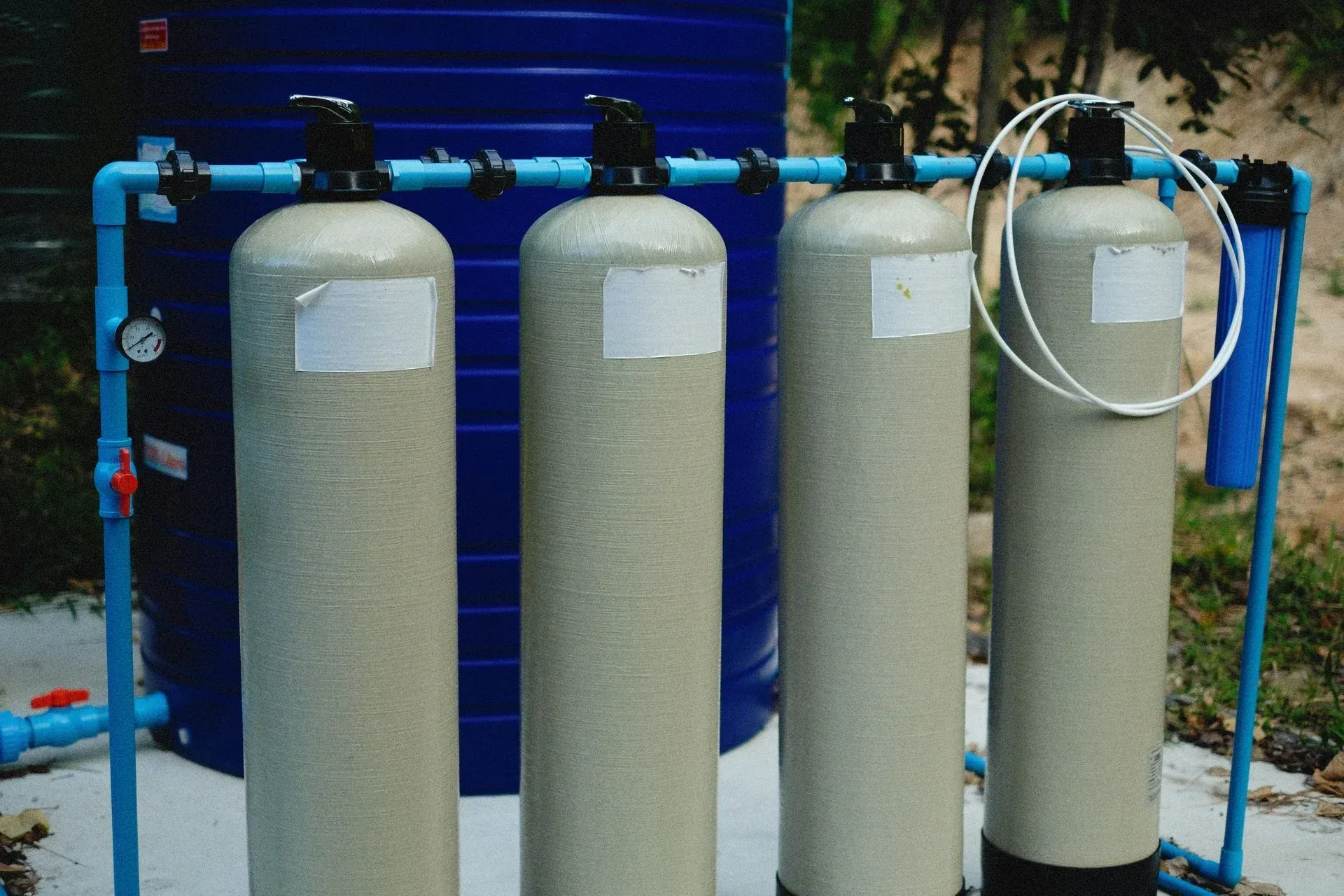
water softeners protect your plumbing as much as your dishes. A plumber can tell you which cause you are dealing with, and these
other signs your home needs plumbing repair are worth a quick read too.
6. Stains, Sagging Drywall, or New Cracks
Brown or yellow rings on a ceiling, a drooping patch of drywall, or fresh cracks in walls and floors often trace back to a slow leak. Water spreads along framing and settles in low spots, so the stain is frequently below or beside the real source. A stain that grows, darkens, or feels soft to the touch means water is still active behind it.
7. Your Water Meter Keeps Moving
Your meter is the most reliable leak detection tool you already own. Here is how to run the test:
- Turn off every faucet, the ice maker, the irrigation timer, and the washing machine.
- Find your water meter, usually in a box near the curb or sidewalk.
- Write down the reading and note the small triangle or dial that spins with flow.
- Leave the water off for 30 minutes to 2 hours.
- Check the meter again. Any movement at all means water is escaping somewhere.
If the dial creeps while nothing is running, you have confirmed a hidden water leak even if you cannot see a drop of water.


What to Do When You Spot These Leak Detection Signs
Shut off the water first, then get a professional opinion. Locate your main shutoff valve, turn it clockwise until it stops, and take photos of any damp areas before you clean anything up.
When you call for water leak repair, have this ready:
- Where you noticed the sign and when it started
- Your recent water usage numbers
- The age of your home and water heater
- Whether the meter moved during your test
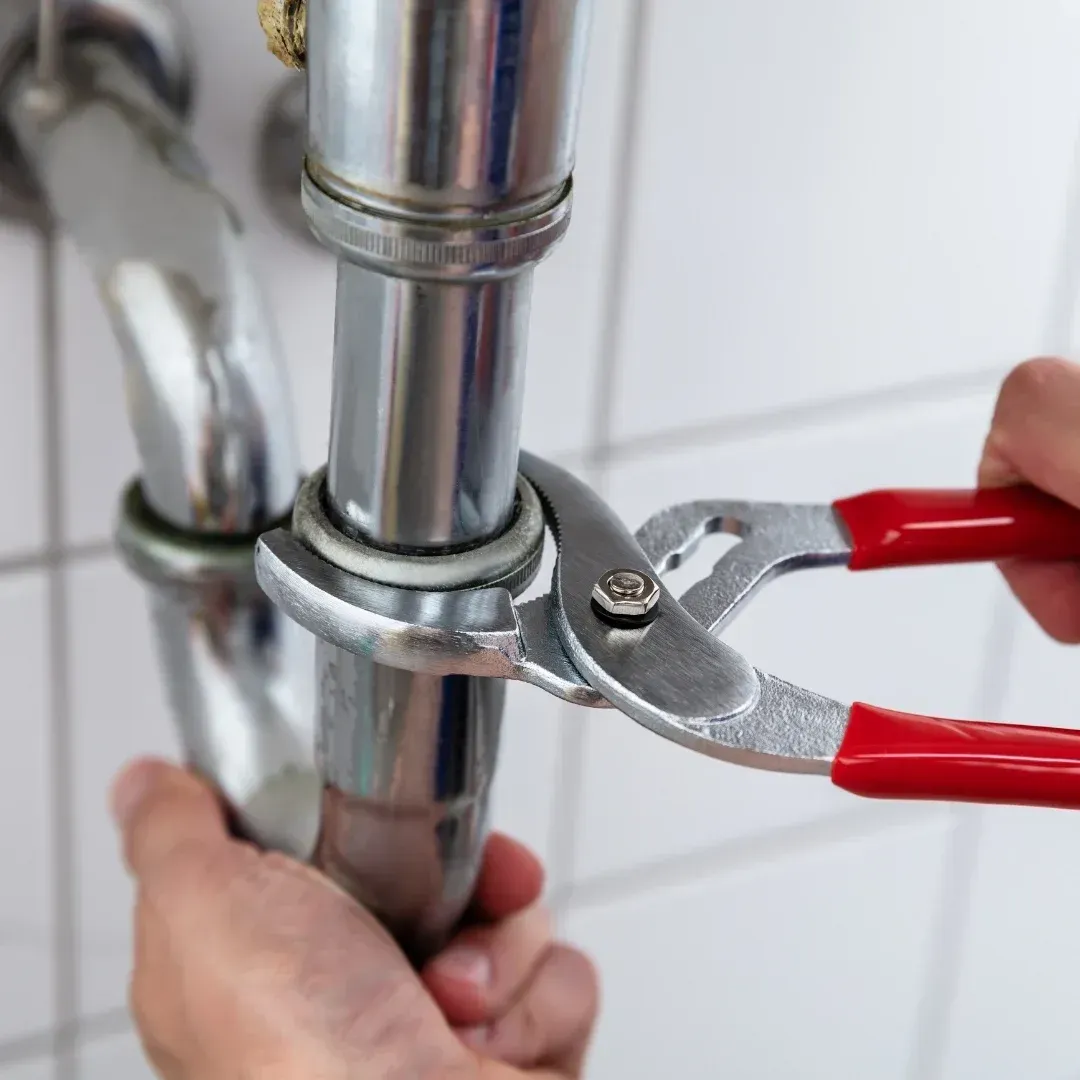
From there, our
general plumbing team can trace the source, explain your options, and handle the repair without tearing up more of your home than necessary.
When a Hidden Leak Becomes an Emergency
Call right away if you see spreading water, a sagging ceiling, water near electrical outlets, or a total loss of pressure. Those situations get worse by the hour, not the week, so same-day water leak repair in Mesa is worth the call. Our guide on
same-day plumbing help in Mesa walks you through what to do while you wait for a plumber to arrive.
FAQs About Hidden Water Leaks
How long can a hidden water leak go unnoticed?
Months, and sometimes years. Slow leaks behind walls or under slabs often show up only after mold, staining, or a high water bill appears, which is why the meter test is worth doing twice a year.
Can a hidden leak raise my water bill by a lot?
Yes. A pinhole leak in a pressurized line can waste dozens of gallons a day, and that adds up quickly on a monthly bill.
Does homeowners insurance cover hidden water leaks?
Many policies cover sudden water damage but not the failed pipe itself or slow leaks that were ignored. Check your policy language and report damage promptly.
Will hard water cause leaks in my Mesa home?
It can contribute. Scale buildup stresses joints, valves, and appliance connections over time, which shortens the life of your plumbing.
Can I find a slab leak myself?
You can spot the warning signs, such as warm tile or a moving meter, but pinpointing the exact spot takes acoustic and pressure testing equipment. Guessing usually means cutting concrete in the wrong place.
Get Your Hidden Leak Found and Fixed
You do not have to wait for a stain to spread or a bill to double. If any of these leak detection signs sound familiar,
Prompt Property Services can find the problem and fix it before it damages your home. Call us at
(480) 207-8514 to schedule water leak repair in Mesa, AZ, or anywhere in the East Valley.