When Should Mesa Homeowners Call a Plumber for Plumbing Repair?
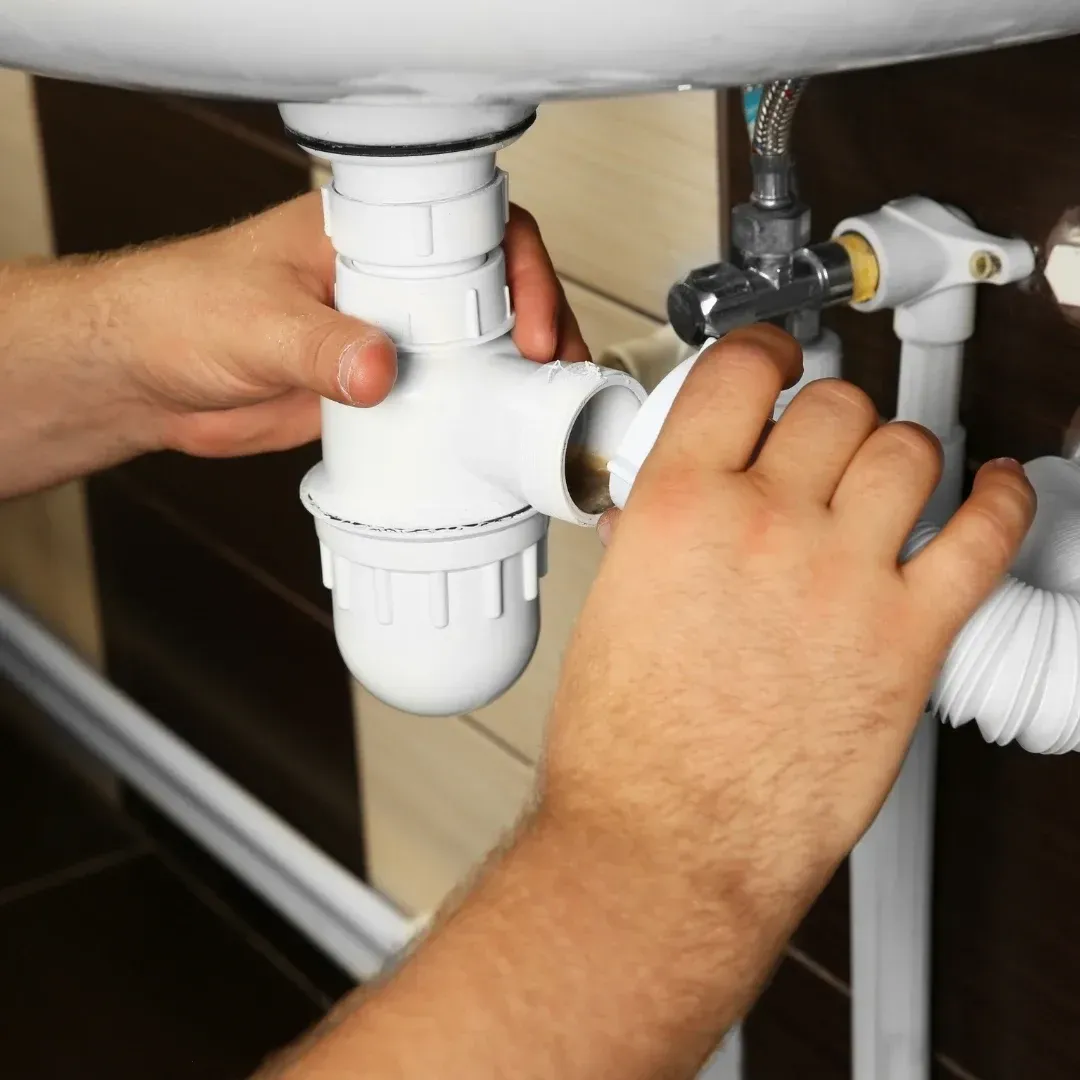
Mesa homeowners can prevent many plumbing emergencies by checking for leaks, maintaining fixtures and water-using equipment, responding quickly to warning signs, and knowing how to shut off their water safely. Regular inspections can help stop a small drip, worn supply line, clogged drain, or water heater problem from causing serious property damage.
According to EPA WaterSense household leak statistics,
leaks in the average home can waste about 9,400 gallons of water each year. Preventive maintenance is especially useful in Mesa and surrounding East Valley communities, where hard water can also contribute to mineral buildup around fixtures and water-heating equipment.

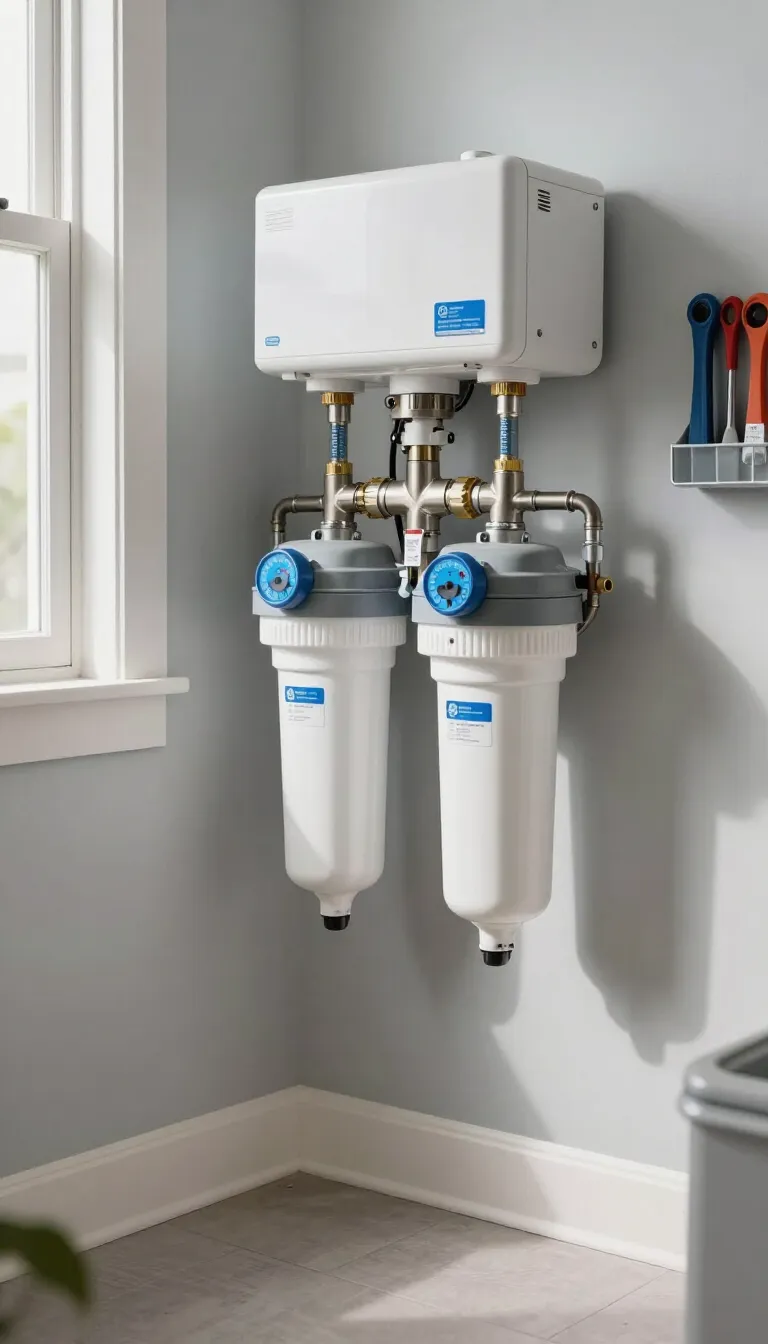
Tank water heaters store hot water in a large tank, while tankless water heaters heat water only when you need it.
Both can work well in Mesa homes, but they solve different problems.
Plumbing Emergency Prevention at a Glance
| Plumbing Risk | Preventive Action |
|---|---|
| Hidden leak | Check cabinets, toilets, appliances, and the water meter |
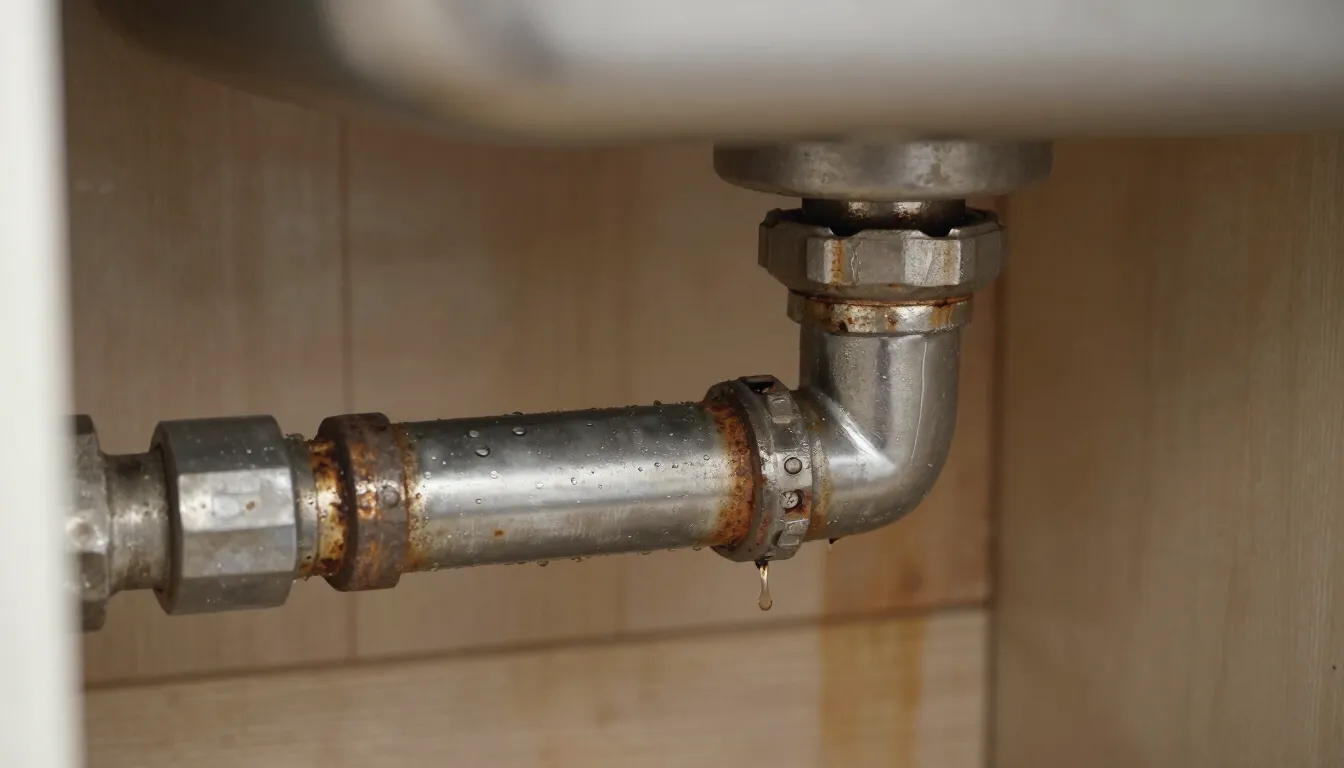
| Burst supply line | Inspect for corrosion, bulging, cracks, and dampness |
| Drain backup | Investigate recurring slow or gurgling drains |
| Water heater leak | Watch for moisture, corrosion, noise, and rusty water |
| Hard-water buildup | Clean aerators and maintain water-treatment equipment |
| Uncontrolled water | Locate accessible shutoff valves and have stiff or corroded valves evaluated |
Use a Monthly Home Plumbing Checklist
A basic visual plumbing inspection often takes about 15 minutes, although larger homes or properties with several water-using appliances may require more time. Checking the same areas each month makes it
easier to notice new moisture, corrosion, noise, or changes in performance.
| Frequency | What to Check | Warning Signs |
|---|---|---|
| Monthly | Faucets, toilets, under-sink cabinets, and visible pipes | Drips, running water, stains, odors, or dampness |
| Every few months | Supply lines, exposed connections, and shutoff valves | Corrosion, bulging, cracking, or loose fittings |
| Seasonally | Drains, water pressure, irrigation connections, and outdoor faucets | Slow flow, gurgling, clogs, or pressure changes |
| Annually | Water heater and accessible plumbing components | Rust, leaks, sediment noise, or visible wear |
Use this home plumbing checklist throughout
kitchens, bathrooms, laundry rooms, utility spaces, and outdoor plumbing areas. Look inside sink cabinets, around toilet bases, near washing-machine connections, and around the water heater.
Check the Water Meter for Possible Leaks
A water-meter check can help reveal water use that is not immediately visible. Turn off faucets and confirm that toilets, irrigation, dishwashers, washing machines, ice makers, and water-treatment equipment are not actively using water.
Record the meter reading, wait without using water, and check it again. Movement may indicate water use or a possible leak that needs investigation. The EPA WaterSense home-maintenance guide also recommends meter monitoring as one way to identify unexplained household water use.
Practical example: If the cabinet under a kitchen sink smells musty but appears dry, remove stored items and inspect the supply connections, drainpipe, disposal, and cabinet base. A slow leak may only become visible while the faucet or dishwasher is operating.
Investigate Early Plumbing Warning Signs
Dripping fixtures, running toilets, recurring clogs, pressure changes, water stains, and unexplained water use should be investigated before they worsen. A problem does not need to release large amounts of water to damage cabinets, flooring, drywall, or nearby plumbing components.
Watch for:
- Water stains on ceilings, drywall, cabinets, or flooring
- Musty odors near sinks, bathrooms, or plumbing walls
- Toilets that refill when nobody has flushed them
- Several drains that empty slowly
- Gurgling from drains or toilets
- Sudden or gradual changes in water pressure
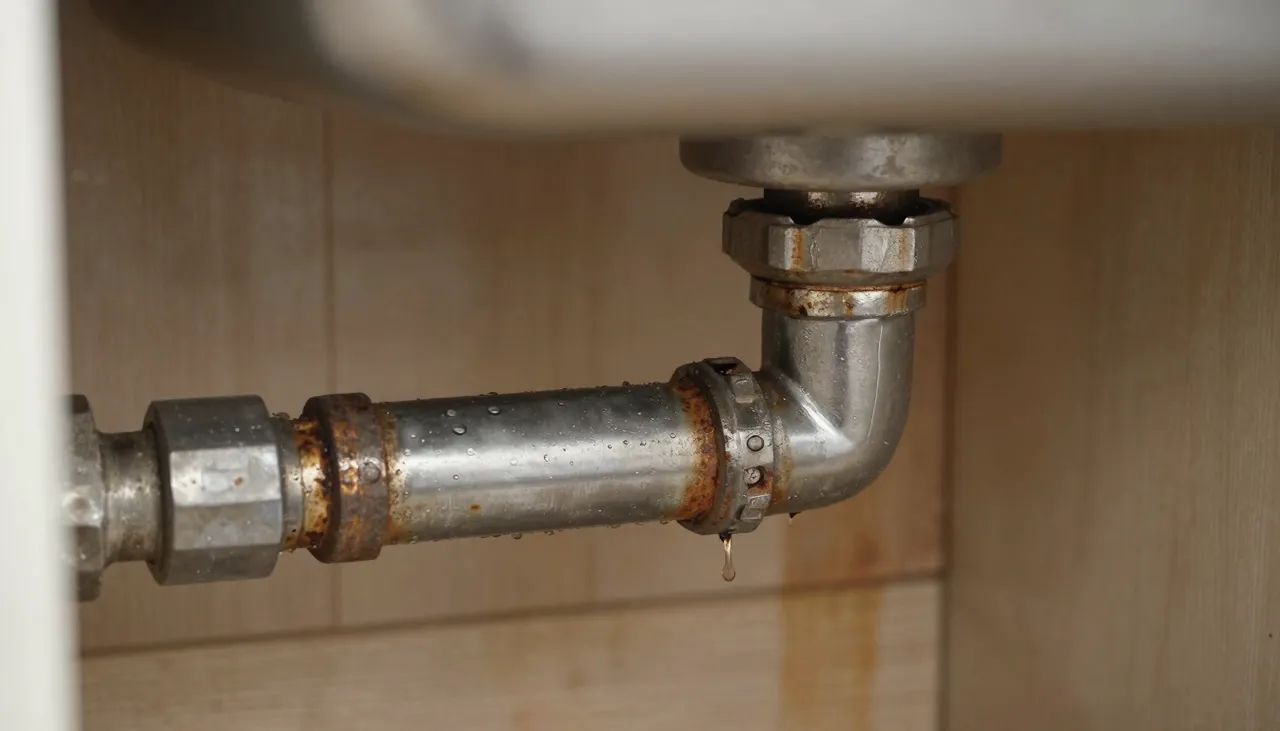
- Corrosion around valves and pipe connections
- Unexplained increases in water use
- Dampness near the water heater
- Rust-colored hot water or unusual water heater noise
One slow bathroom sink may have a localized blockage. Several slow or gurgling drains may indicate a wider drainage problem that should be inspected before a backup develops.
Homeowners who are already noticing these symptoms can review the most common
signs a Mesa home needs plumbing repair. That guide focuses on diagnosing repair needs, while this article focuses on routine prevention.

Protect Your Plumbing From Mesa’s Hard Water
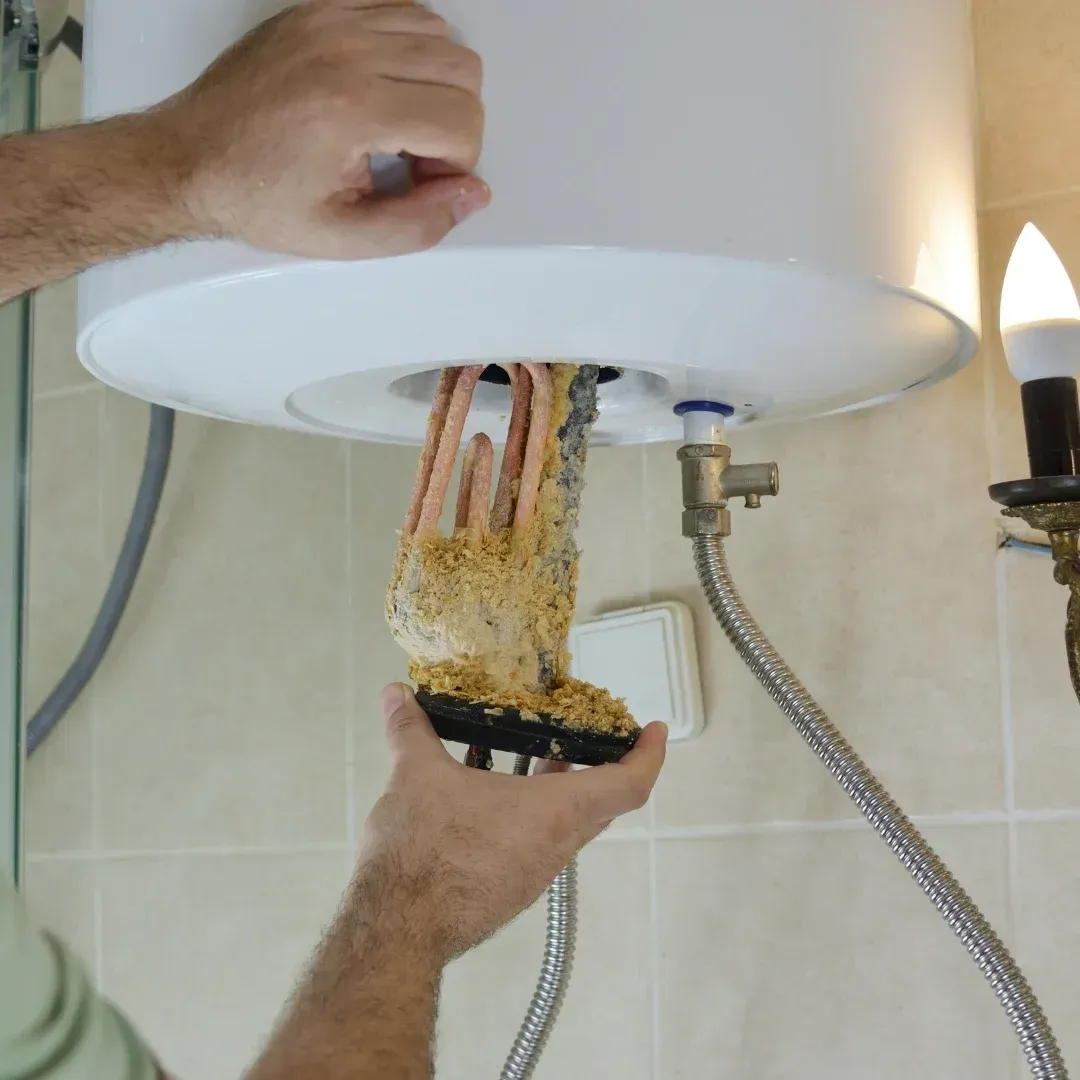
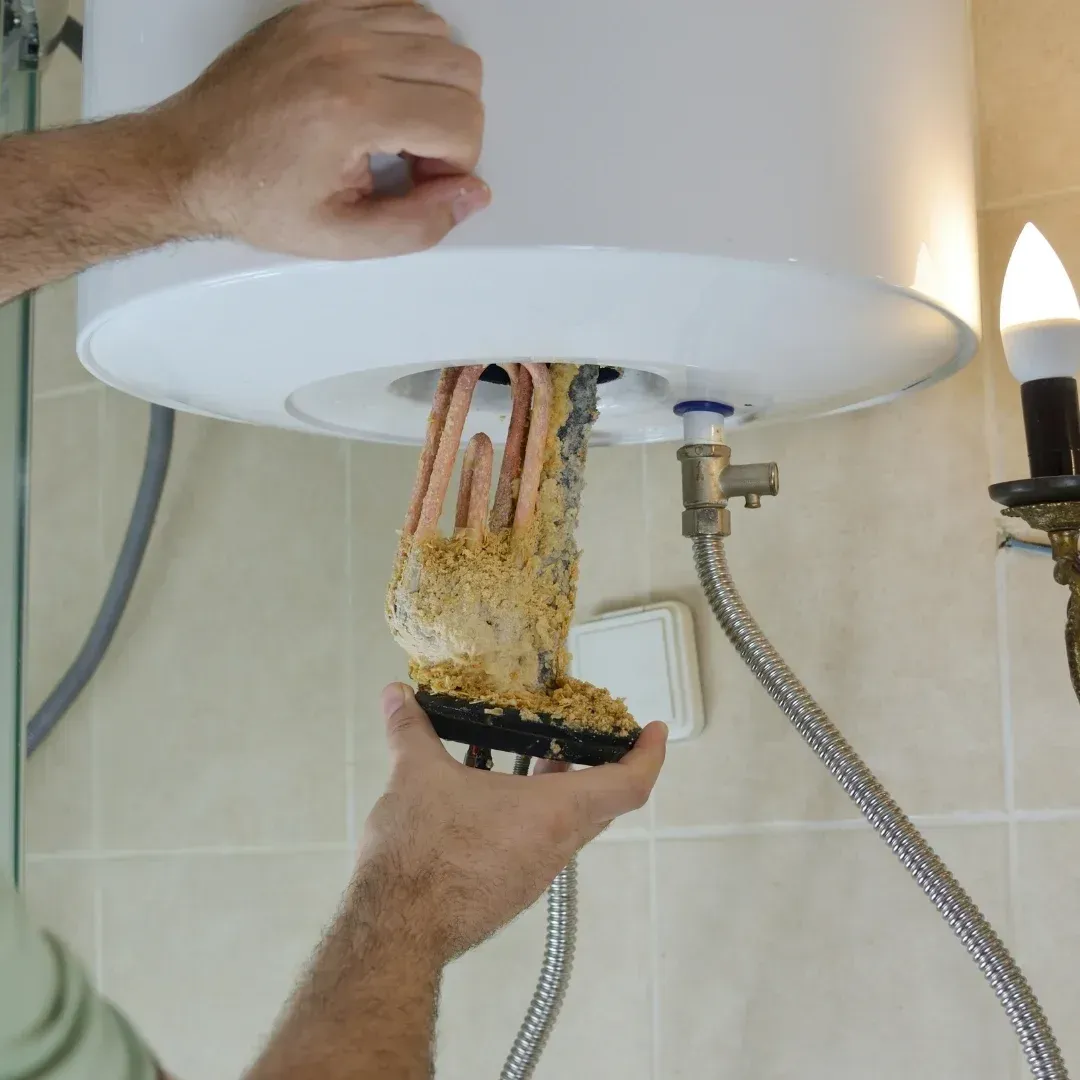
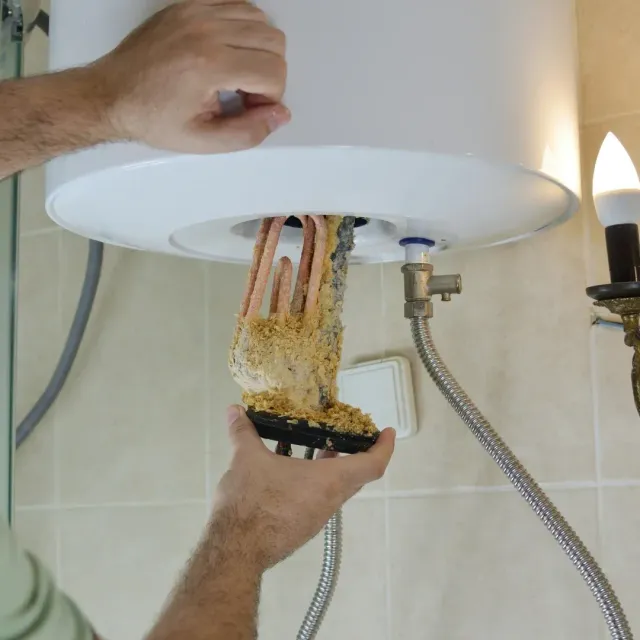
Mesa’s hard water can leave mineral deposits on faucet aerators, showerheads, valves, appliances, and water-heating equipment. Cleaning visible scale and maintaining affected systems can help preserve water flow and reduce buildup.
The City of Mesa’s water-quality guidance reports hardness levels of approximately 12 to 22 grains per gallon, depending on the water source serving the property. The calcium and magnesium that cause hardness are not considered a health hazard, but they may leave white, chalky deposits on plumbing fixtures and household surfaces.
Water Heater Repair vs. Replacement: How to Tell What You Need
Mesa and East Valley homeowners should:
- Clean mineral scale from faucet aerators and showerheads.
- Watch for reduced or uneven fixture flow.
- Inspect valves and connections for heavy deposits.
- Follow manufacturer maintenance instructions for water-using equipment.
- Have repeated hot-water or water-flow problems evaluated.
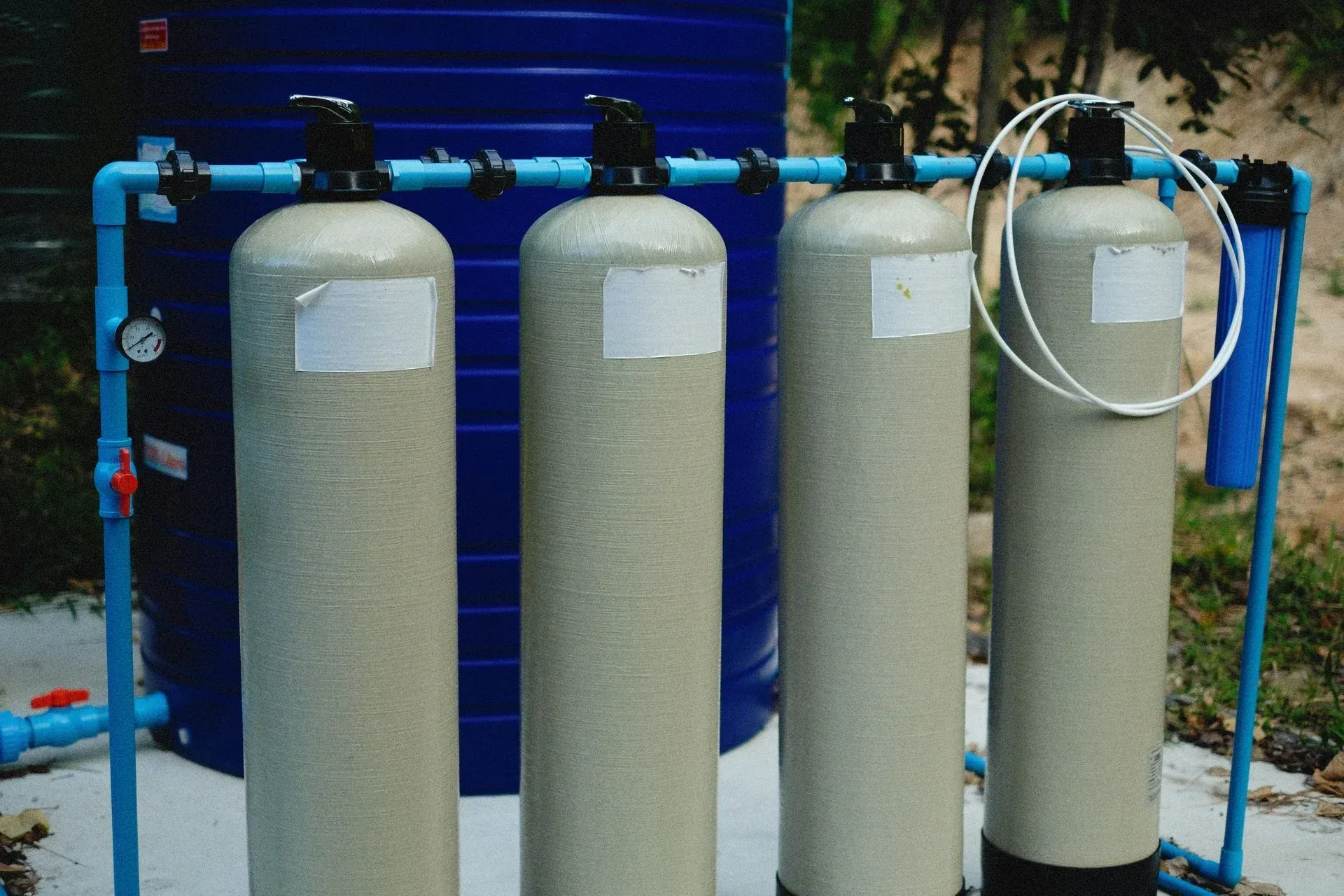
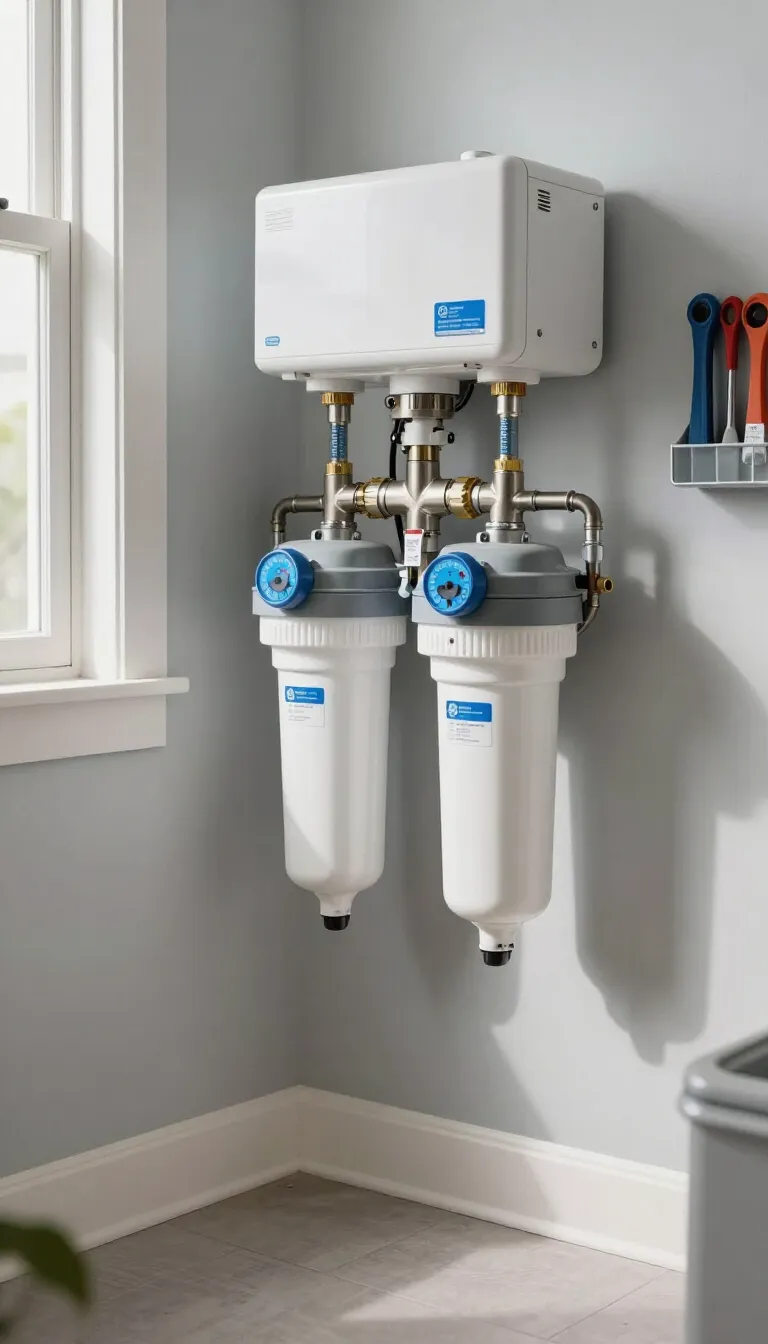
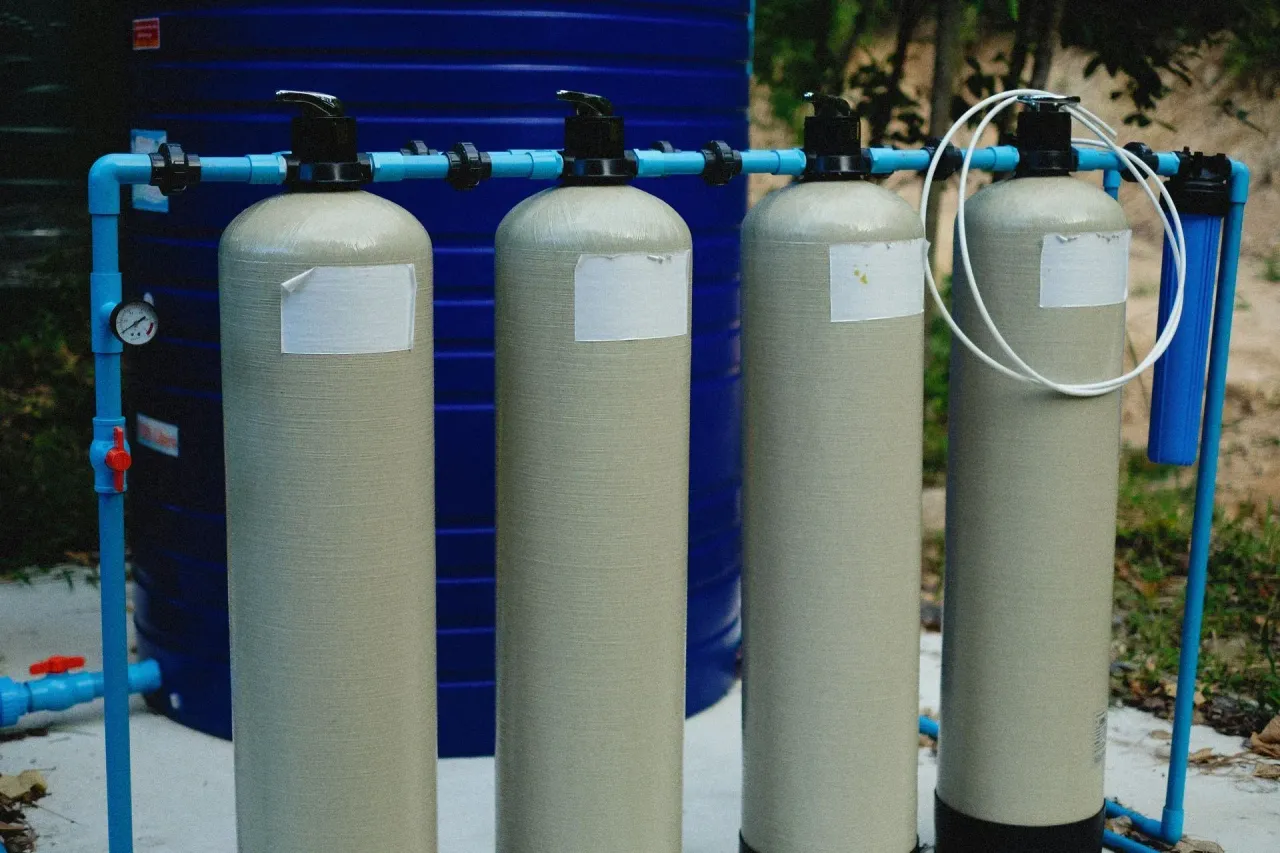
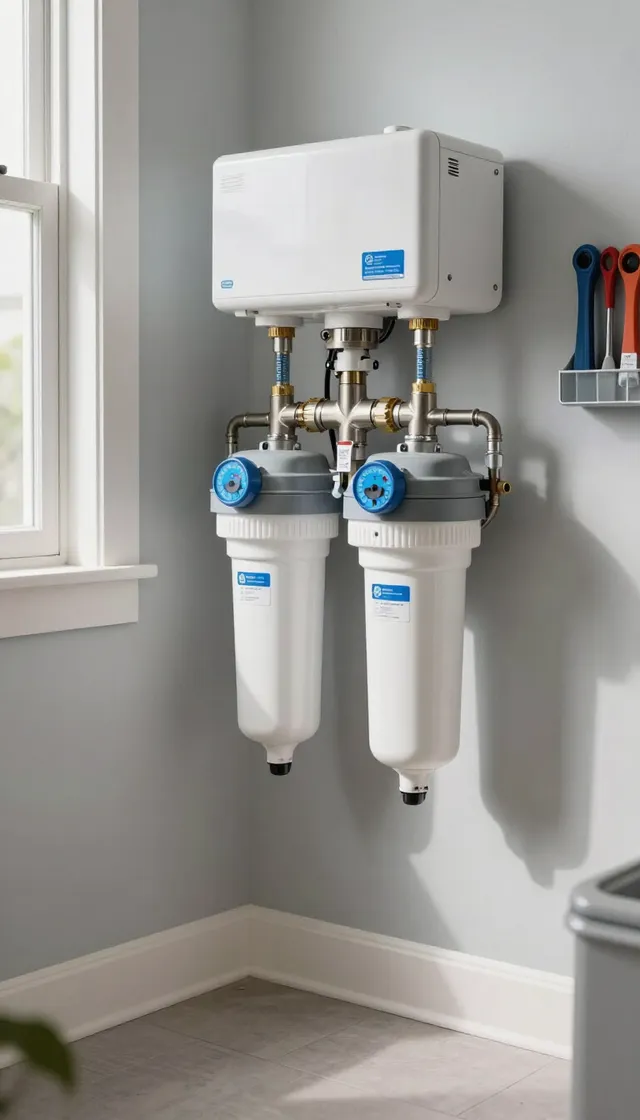
A professionally installed water softener for a Mesa home may reduce mineral-scale buildup throughout the plumbing system. However, a water softener does not prevent leaks caused by damaged supply lines, failed seals, corrosion, improper installation, or aging components.
Water softening is also different from filtration. Homeowners concerned about sediment, taste, odor, or broader water-quality issues may need to consider a
whole-home water filtration system rather than relying on softening alone.
Inspect the Plumbing Components Most Likely to Fail
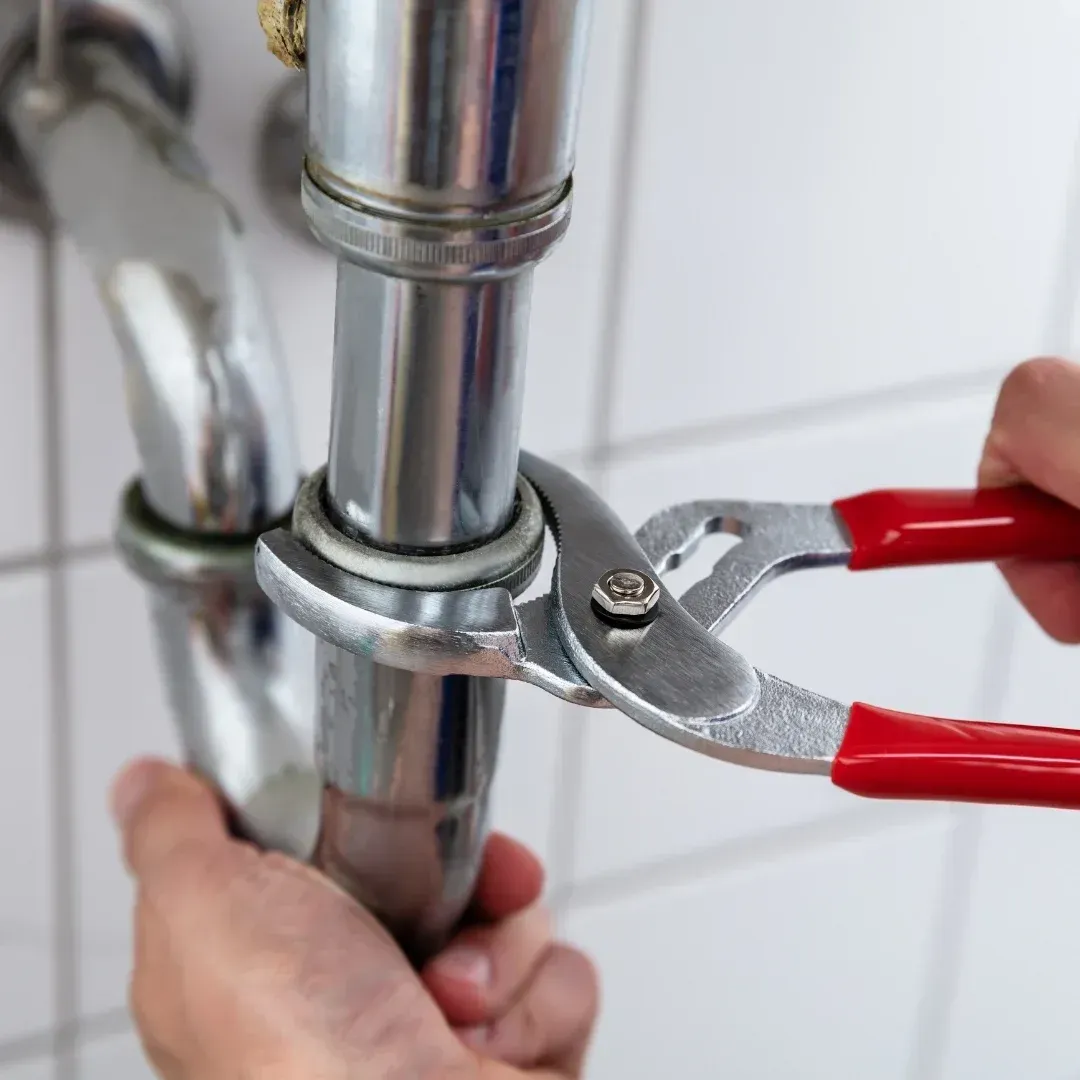
Supply lines, toilets, faucets, drains, shutoff valves, and water heaters require regular attention because they are frequently used or remain under water pressure. Inspecting these components can reveal cracks, corrosion, moisture, or loose connections before a sudden failure occurs.
Water Heaters
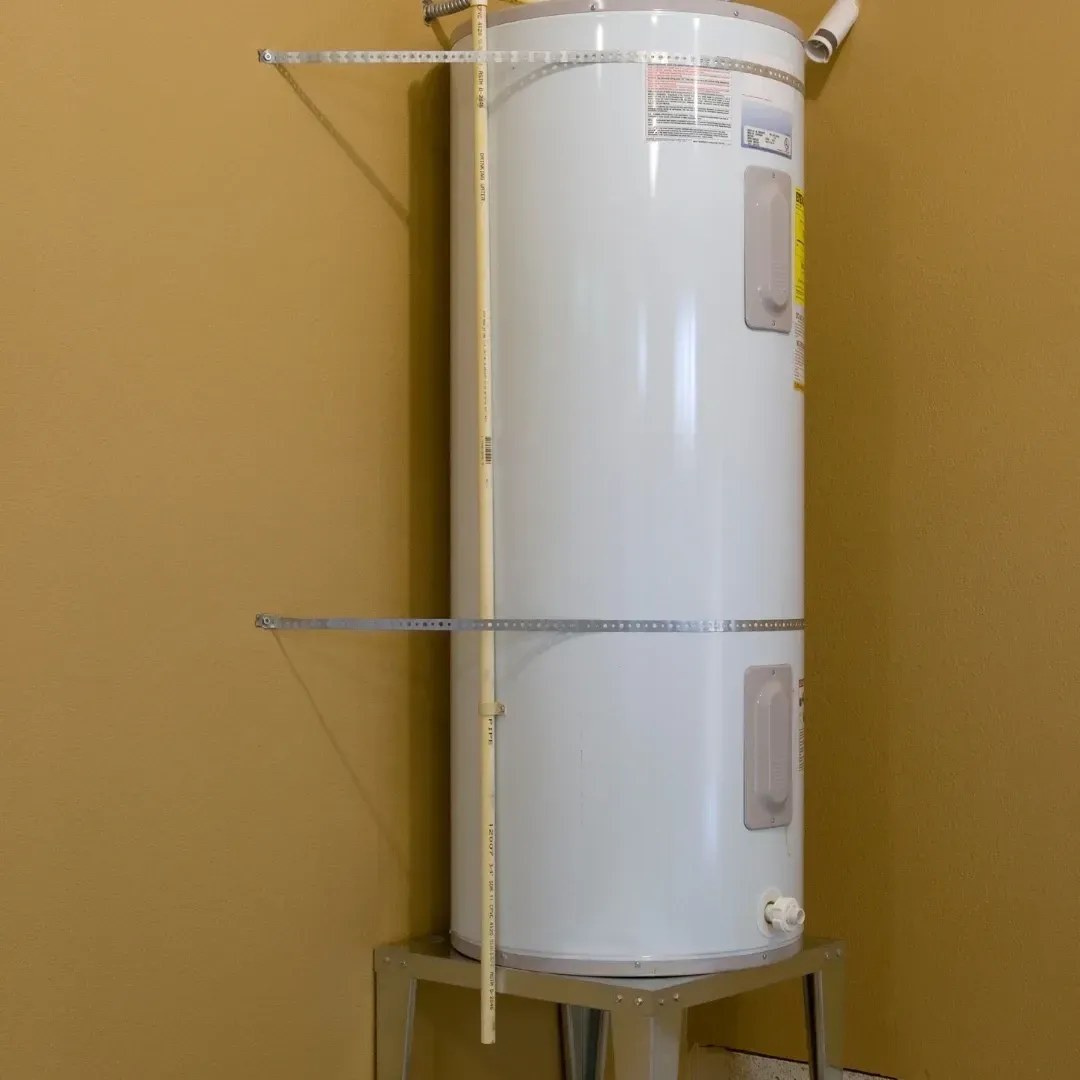
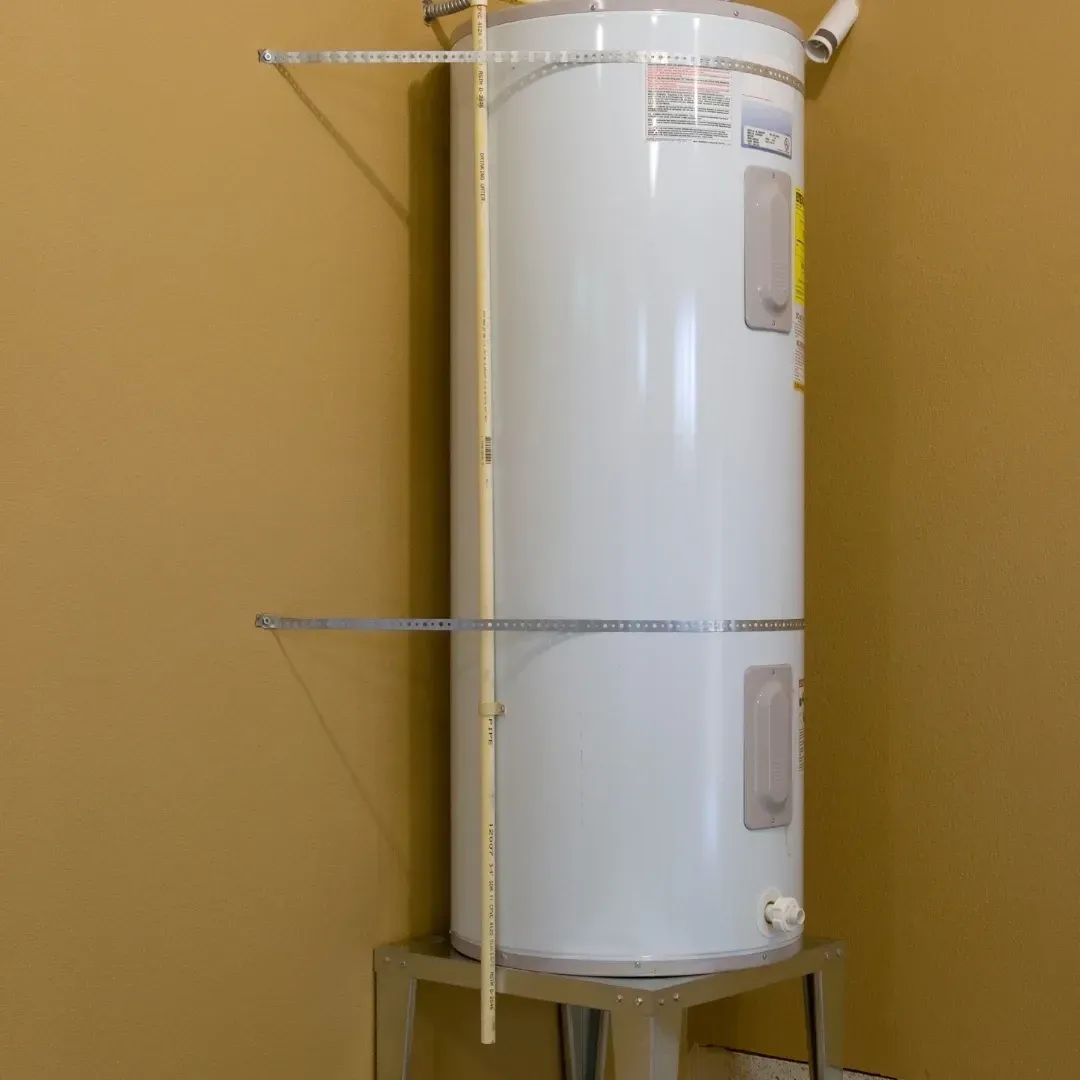
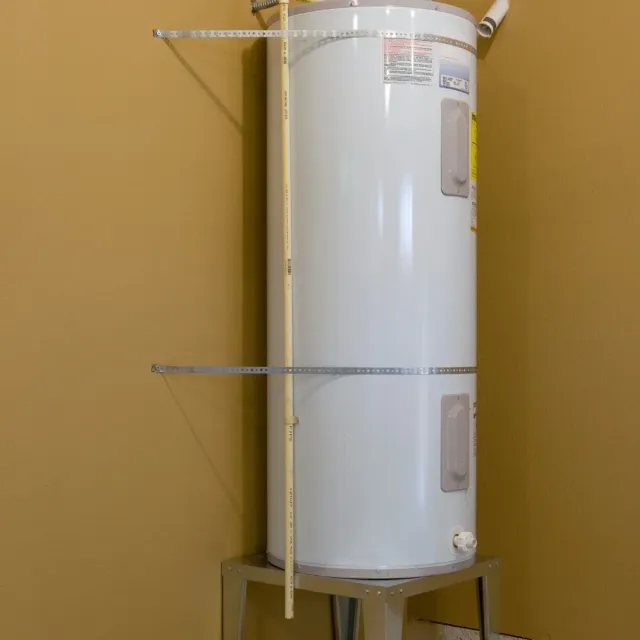
Check around the water heater for moisture, rust, corrosion, and unusual sounds. Popping or rumbling may occur when sediment collects inside a tank, while inconsistent hot water can indicate declining performance.
A tank that is actively leaking should be inspected promptly. Prompt Property Services provides
water heater replacement in Mesa when a system leaks, produces rusty water, makes unusual noises, or no longer provides dependable hot water.
Toilets and Faucets
A toilet that runs intermittently may have a worn flapper, fill valve, or another failing internal component. A dripping faucet may appear minor, but the leak can worsen as seals and connections continue to wear.
Check around toilet bases for
moisture or damaged flooring. Water near the base may come from the supply connection, the fixture seal, condensation, or another nearby source.
Appliance and Fixture Supply Lines
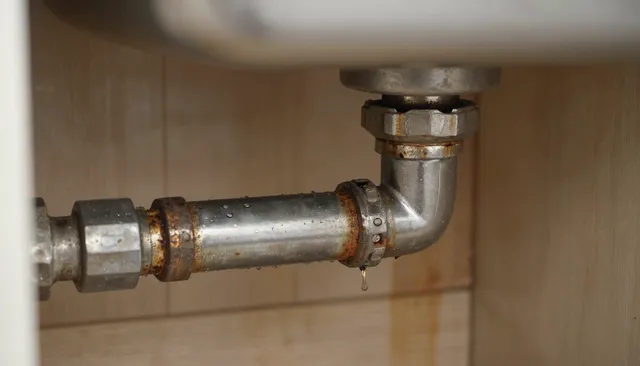
Inspect visible supply lines serving sinks, toilets, refrigerators, dishwashers, and washing machines. Replace lines that appear cracked, kinked, bulging, corroded, or damp.
Pay close attention to washing-machine supply hoses because they remain under pressure. Bulging, cracking, corrosion, or moisture near the connections should be addressed before the hose releases a larger amount of water.
Drains
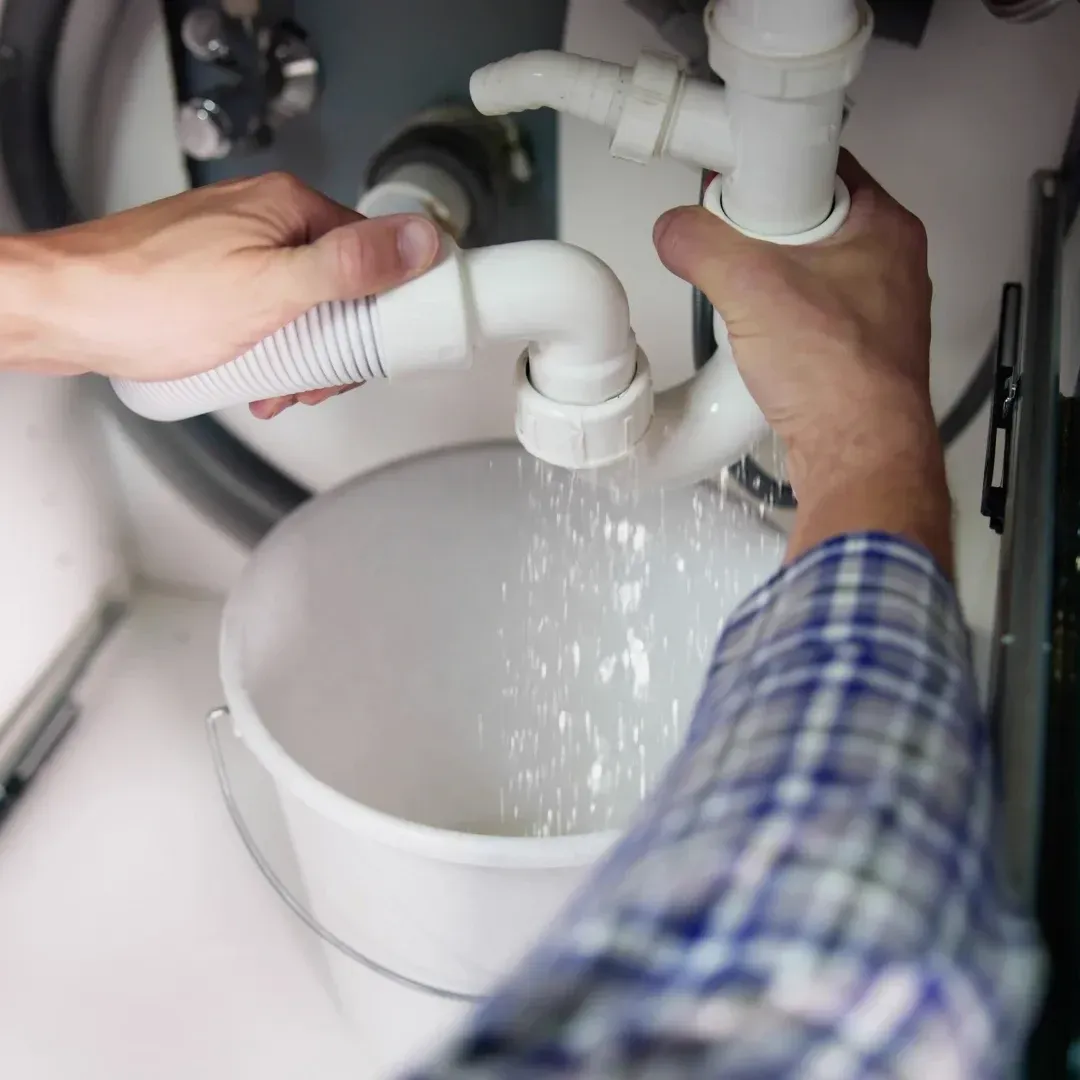
Avoid putting
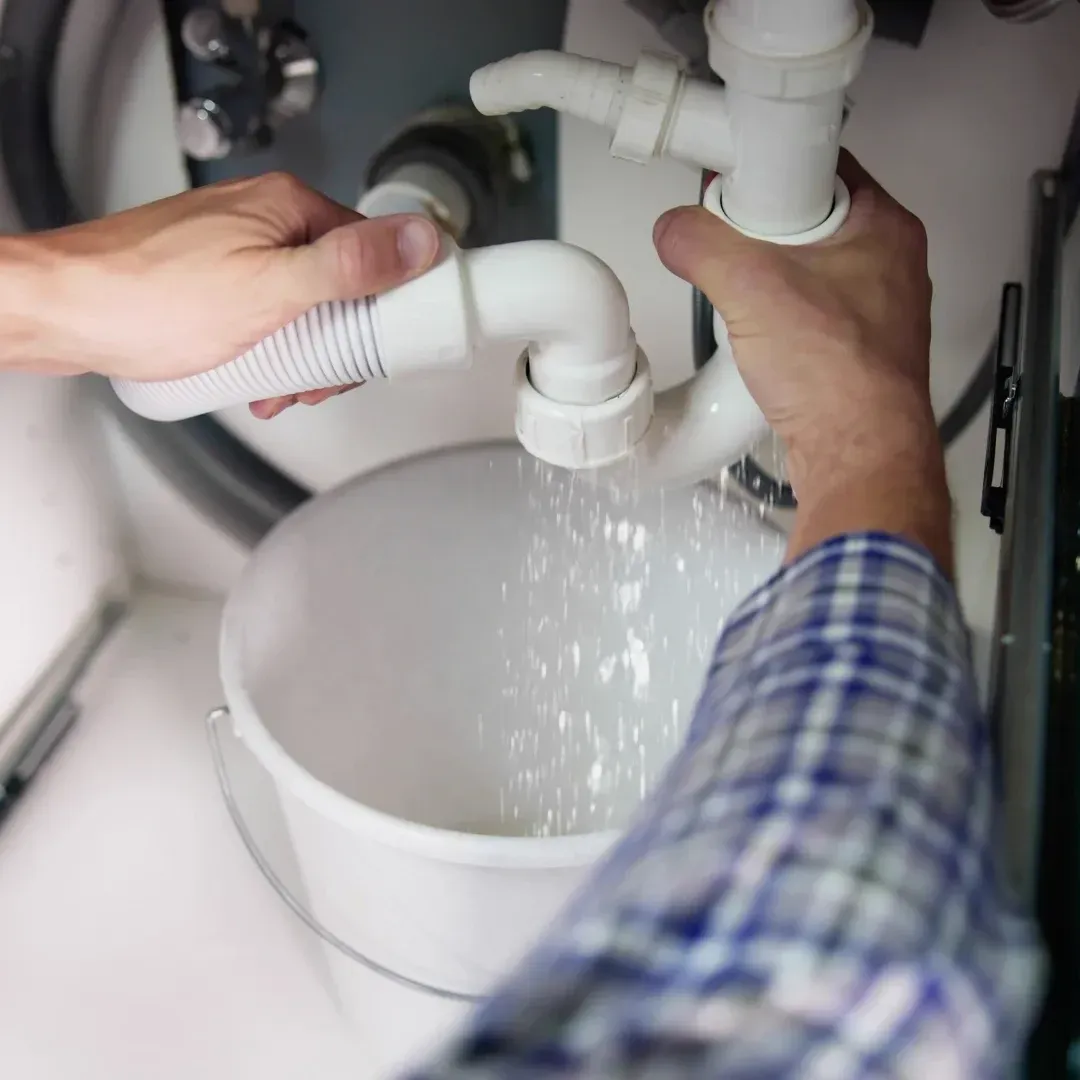
grease, food scraps, wipes, hygiene products, and other unsuitable materials into drains or toilets. Investigate clogs that return soon after clearing, especially when more than one fixture is affected.
Water-Treatment Connections
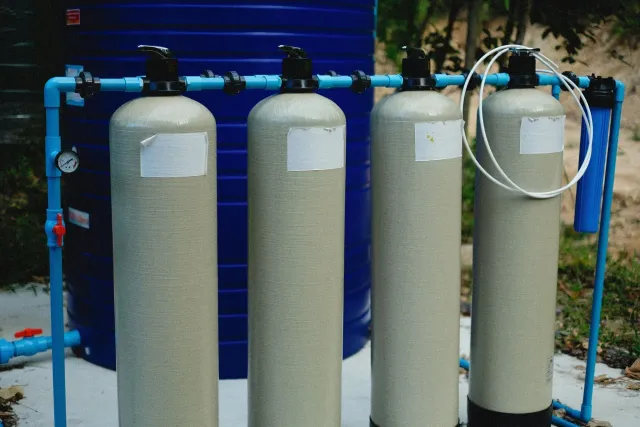
Check
accessible tubing, filter housings, tanks, valves, and drain connections around water-treatment systems. This includes whole-home equipment and under-sink
reverse osmosis water systems.
Know How to Shut Off Water Safely
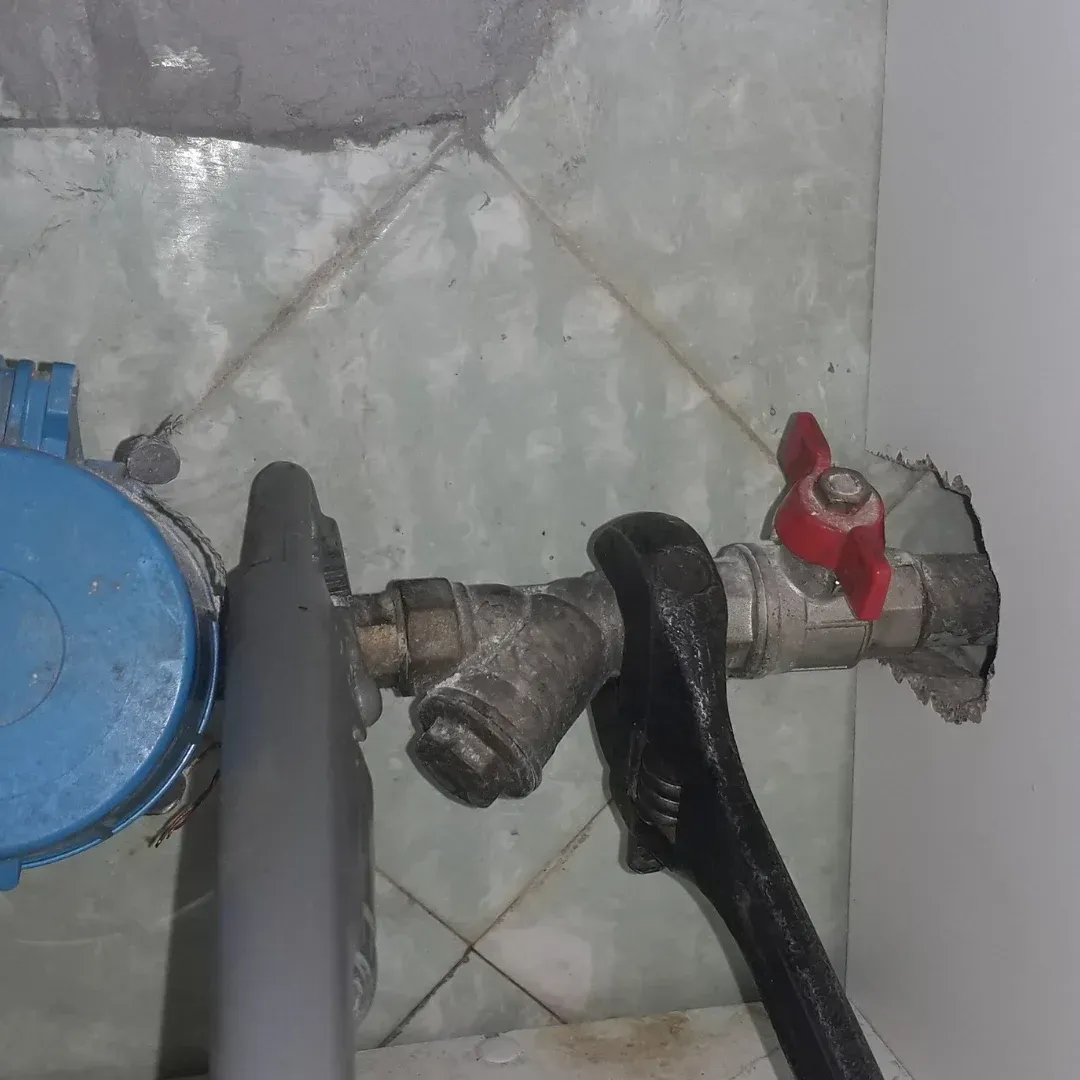
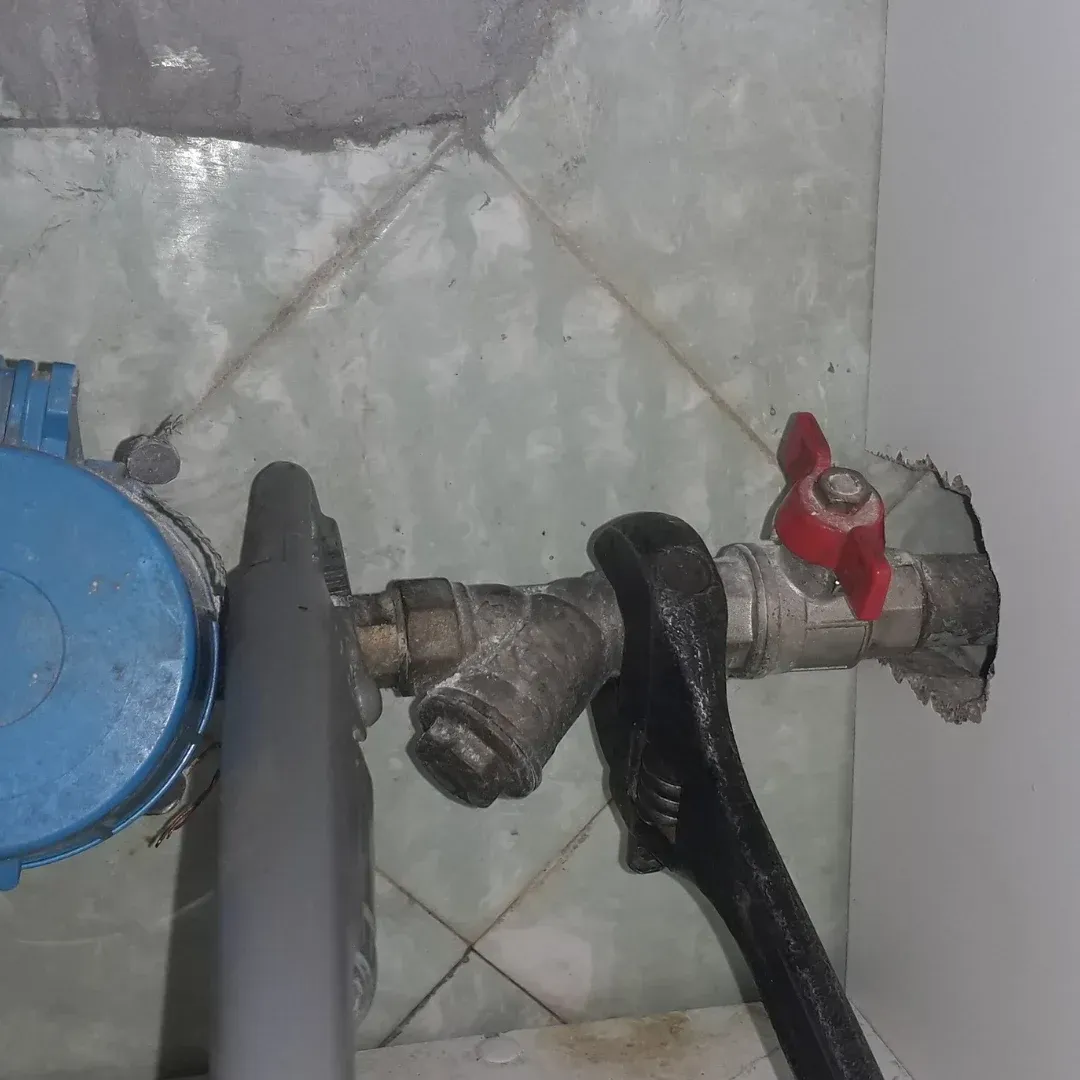
Homeowners should identify their fixture and main shutoff valves before an emergency occurs. However, a heavily corroded, leaking, or difficult-to-turn valve should be evaluated rather than forced.
Homes may have several types of shutoff valves:
- Fixture valves under sinks or behind toilets
- Appliance valves for washing machines or refrigerators
- A dedicated water heater shutoff
- The home’s main water shutoff
Keep the main shutoff accessible and clearly labeled. Do not block it with storage containers, shelving, landscaping materials, or other belongings.
An accessible valve that appears to be in good condition may be checked carefully so household members understand how it operates. Stop if the valve leaks, resists normal movement, or appears badly corroded.
During an active leak:
- Stop using the affected fixture or appliance.
- Close the nearest safe shutoff valve.
- Use the main shutoff if water continues to spread and it can be operated safely.
- Move belongings away from the wet area.
- Keep people and pets away from the affected space.
- Contact a plumber.
Safety warning: Do not enter standing water near outlets, appliances, electrical panels, or exposed wiring. If you smell gas near a water heater, leave the area and contact the gas utility or emergency services rather than attempting repairs.
For more detailed response steps after an urgent problem begins, review the guide to
same-day plumbing help in Mesa. Keeping this article focused on prevention helps homeowners understand what to inspect before an emergency occurs.
When Should You Call a Plumber?
Call a plumber when a problem returns, affects multiple fixtures, or cannot be traced safely. Professional help is also appropriate when there are signs of hidden moisture, corrosion, pressure changes, water heater failure, or an aging component that may not operate reliably.
Schedule an inspection when:
- A leak returns after a temporary repair
- Several drains are slow or gurgling
- Water pressure changes throughout the home
- A shutoff valve is corroded, leaking, or stuck
- Moisture appears behind walls or beneath flooring
- The water heater leaks or makes unusual sounds
- Water use rises without a clear explanation
- Plumbing components have not been inspected in several years
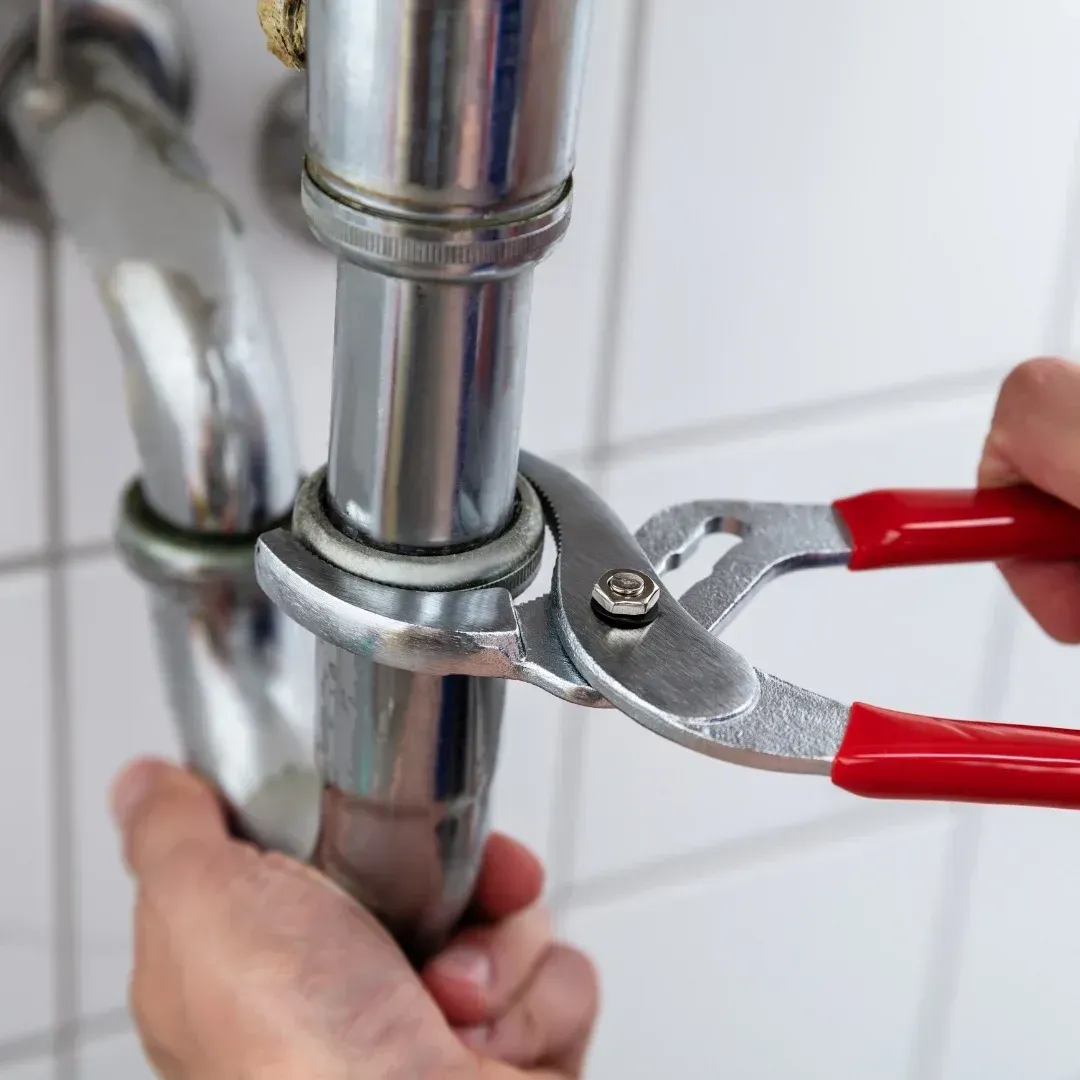
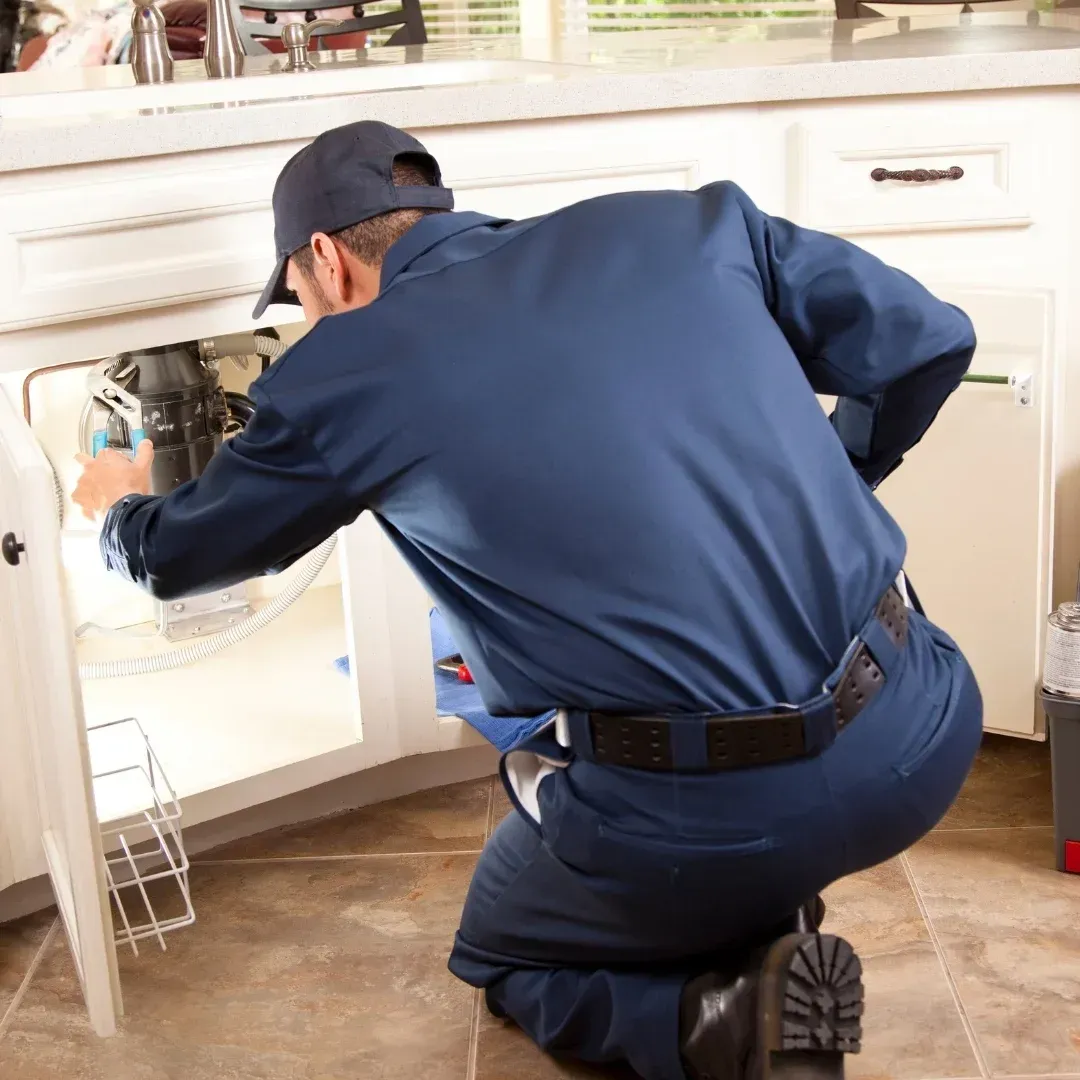
Preventive plumbing service may include inspecting accessible connections, troubleshooting leaks or pressure concerns, reviewing fixture performance, and identifying visible wear before it leads to a larger failure. Prompt Property Services provides
general plumbing services in Mesa for homeowners who need help evaluating these concerns.
FAQs About Preventing Plumbing Emergencies
How often should homeowners check their plumbing?
Perform a quick visual plumbing inspection about once a month and examine supply lines, valves, appliances, and the water heater more carefully at least once a year. Homes with older fixtures, previous leaks, or recurring mineral buildup may require more frequent checks.
What is usually the earliest sign of a plumbing problem?
Early signs often include a dripping faucet, running toilet, damp cabinet, slow drain, musty odor, or unexpected pressure change. An unexplained increase in water use may also indicate a leak that is not immediately visible.
Can Mesa’s hard water cause plumbing emergencies?
Hard water does not automatically cause a plumbing emergency, but mineral deposits may restrict flow and contribute to buildup around fixtures, valves, appliances, and water heaters. Regular cleaning and appropriate equipment maintenance can reduce these effects.
What should I do when I discover a plumbing leak?
Stop using the affected fixture and close the nearest safe shutoff valve when it can be operated without force. Use the main water shutoff if water continues spreading, but stay away from standing water near electrical equipment.
When does a plumbing problem become an emergency?
A problem becomes an emergency when water is spreading rapidly, sewage is backing up, essential water use is unavailable, or the situation creates an electrical, sanitation, or property-damage risk. Leave unsafe areas and seek professional or emergency assistance when necessary.
Contact Prompt Property Services for Plumbing Emergencies
Need help evaluating
leaks, pressure changes, recurring clogs, aging supply lines, or water heater warning signs? Contact
Prompt Property Services at
480-207-8514 for plumbing inspections and repairs in Mesa and the East Valley.