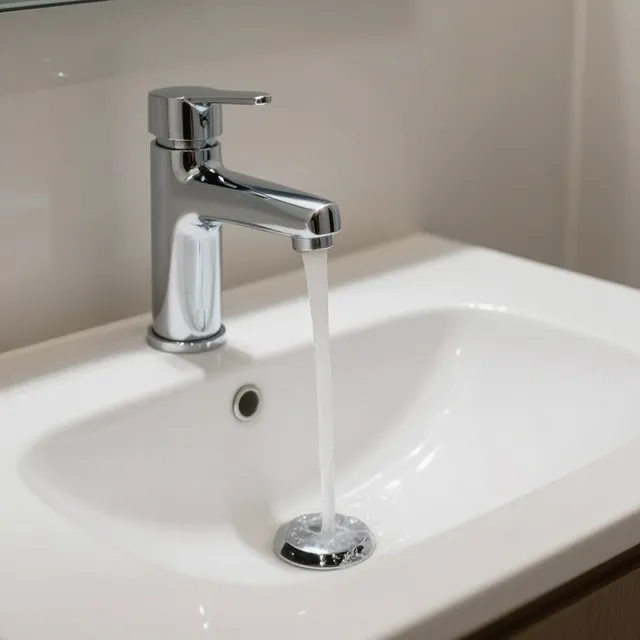
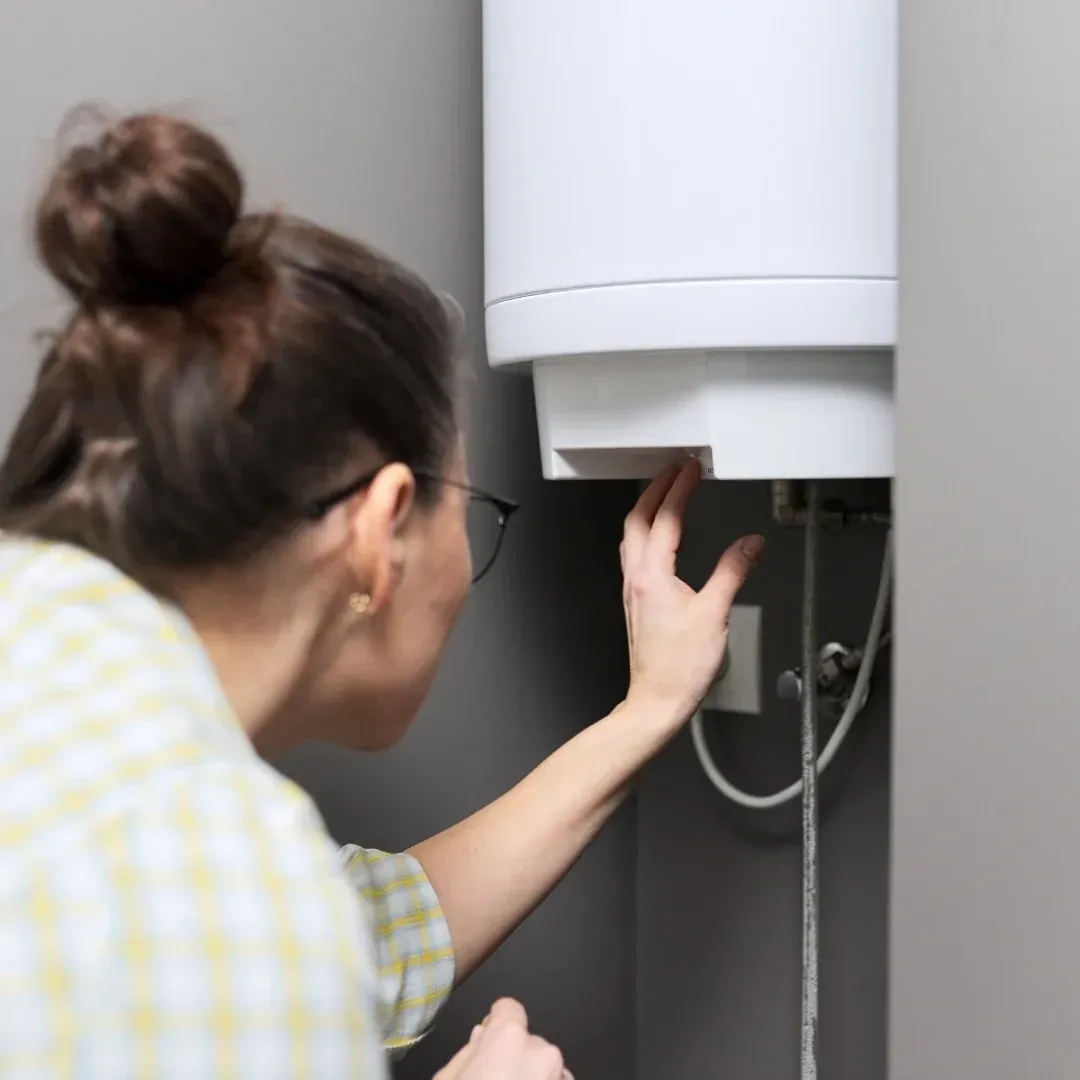
Hard water leaves dissolved calcium and magnesium behind on every surface it touches, which is why your shower glass spots over, your faucets crust up, and your appliances wear out early. In Mesa, that process runs faster than in most of the country because our water carries an unusually heavy mineral load.
You are probably already seeing the signs without connecting them. Below, you will learn exactly what hard water does to showers, faucets, and appliances, how much it costs you, and what actually stops it.


What Hard Water Really Is
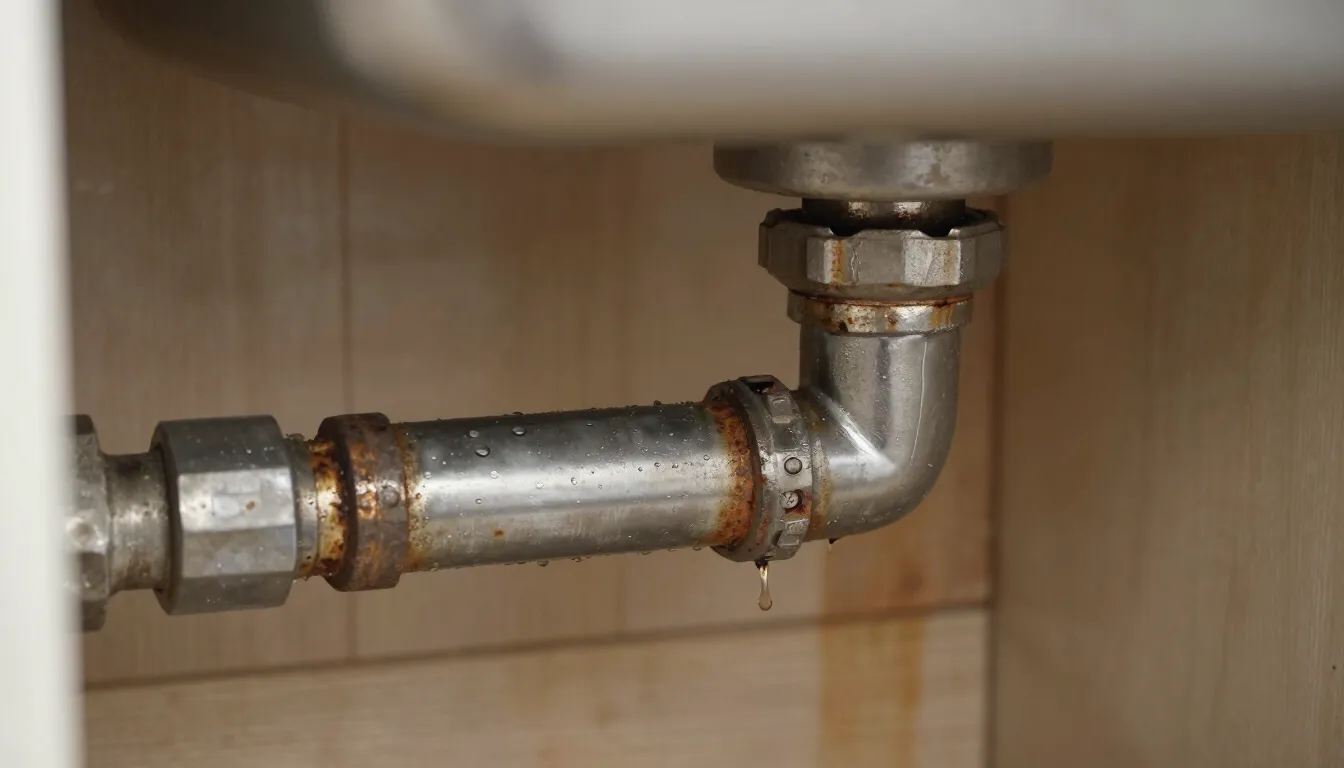
Hard water is simply water carrying a high amount of dissolved calcium and magnesium. Those minerals are harmless to drink, but when the water heats up or evaporates, they come out of solution and stick to whatever surface is nearby as a chalky white scale.
Water hardness is measured in grains per gallon, or gpg. Anything above 7 gpg is considered hard, and the City of Mesa's 2025 water quality report puts average hardness around 12 gpg across much of the city, with some zones closer to 16 gpg. That means your water carries roughly twice the mineral load of the threshold where problems begin.
So the spotting and buildup you see is not a cleaning problem. It is a water problem, and scrubbing only addresses the surface. We break down the full picture in our article on why Mesa homes benefit from a water softener.
Shower Hard Water Issues You Feel Every Day
Your shower shows the damage first because it combines heat, steam, and constant evaporation. Minerals bake onto the glass, the tile, and the showerhead nozzles faster than anywhere else in the house.
Here is what hard water does in the shower:
- Weak, uneven spray. Scale narrows the nozzle openings one by one. Battelle Memorial Institute testing for the Water Quality Research Foundation found that showerheads on hard water lost up to 75% of their flow rate within 18 months.
- Film on your skin and hair. Calcium reacts with soap to form a sticky residue that rinsing does not fully remove, which leaves skin feeling tight and hair looking dull.
- Soap that will not lather. You end up using more shampoo and body wash to get the same result.
- Permanent glass etching. Left on long enough, mineral deposits bond to shower glass and leave a cloudy haze that no cleaner will lift.
- Stubborn tile and grout stains. Scale traps soap scum, so grout lines discolor much sooner.
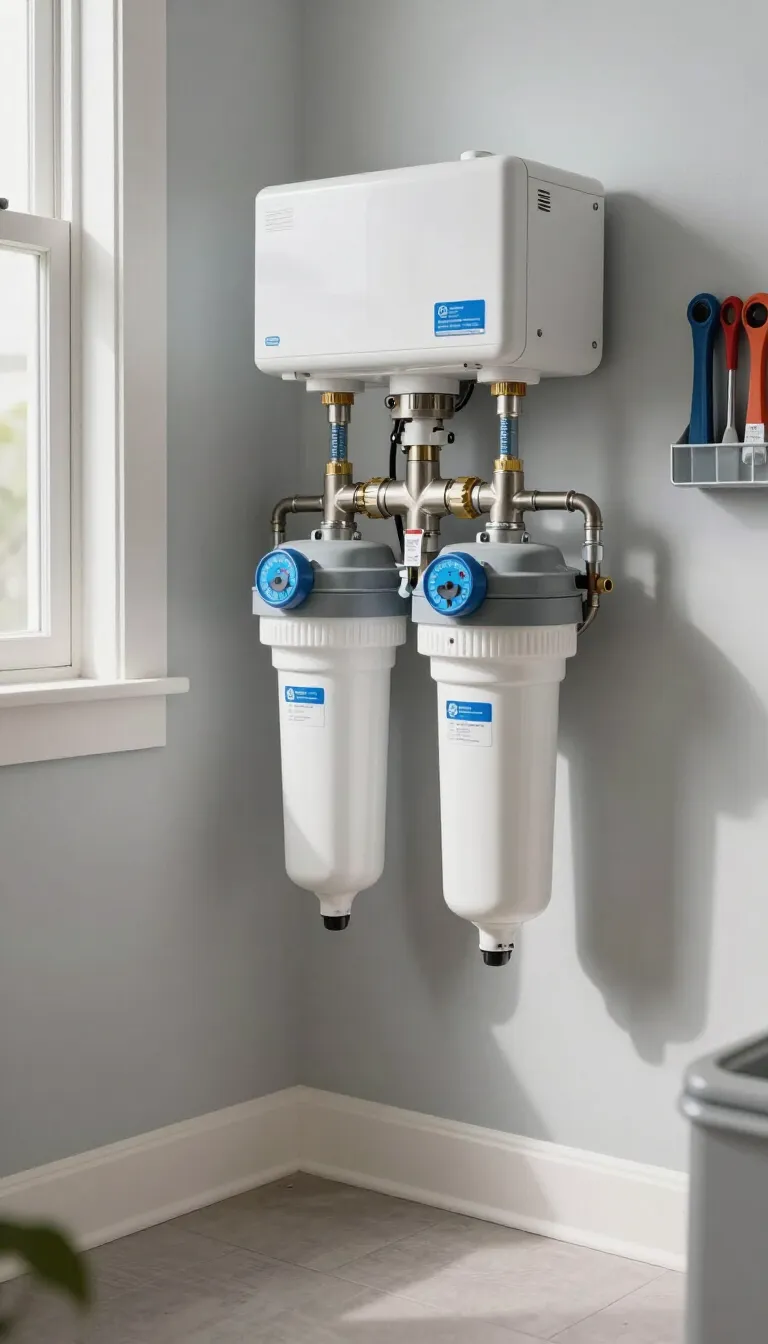
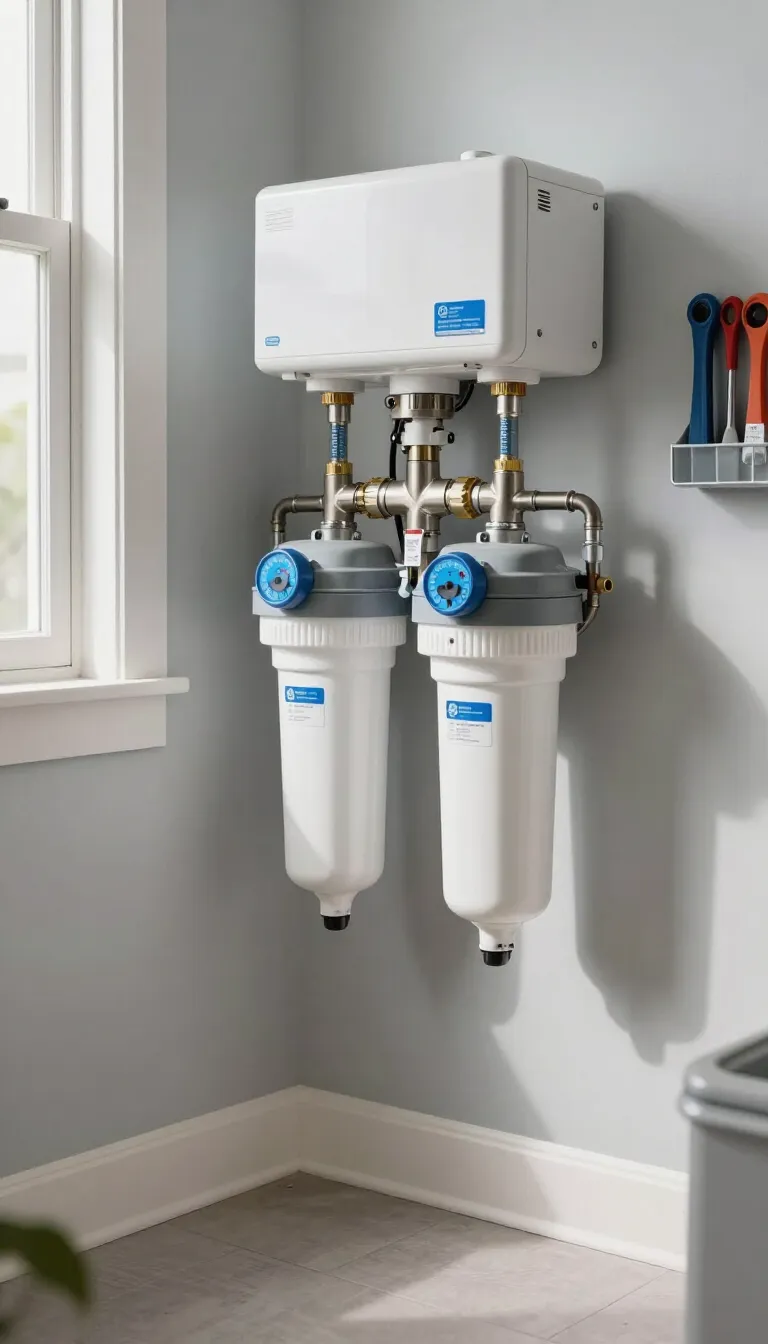
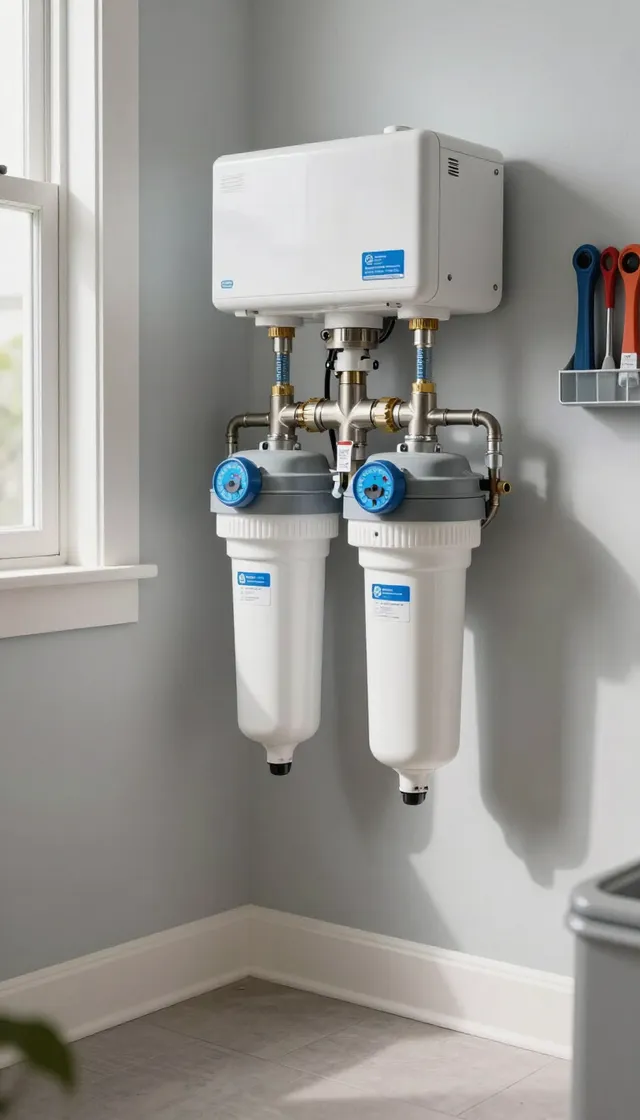
If your water also has a chlorine smell or a gritty feel on top of the hardness, whole home filtration treats the water before it ever reaches your shower valve.
Faucet Mineral Buildup and Fixture Damage
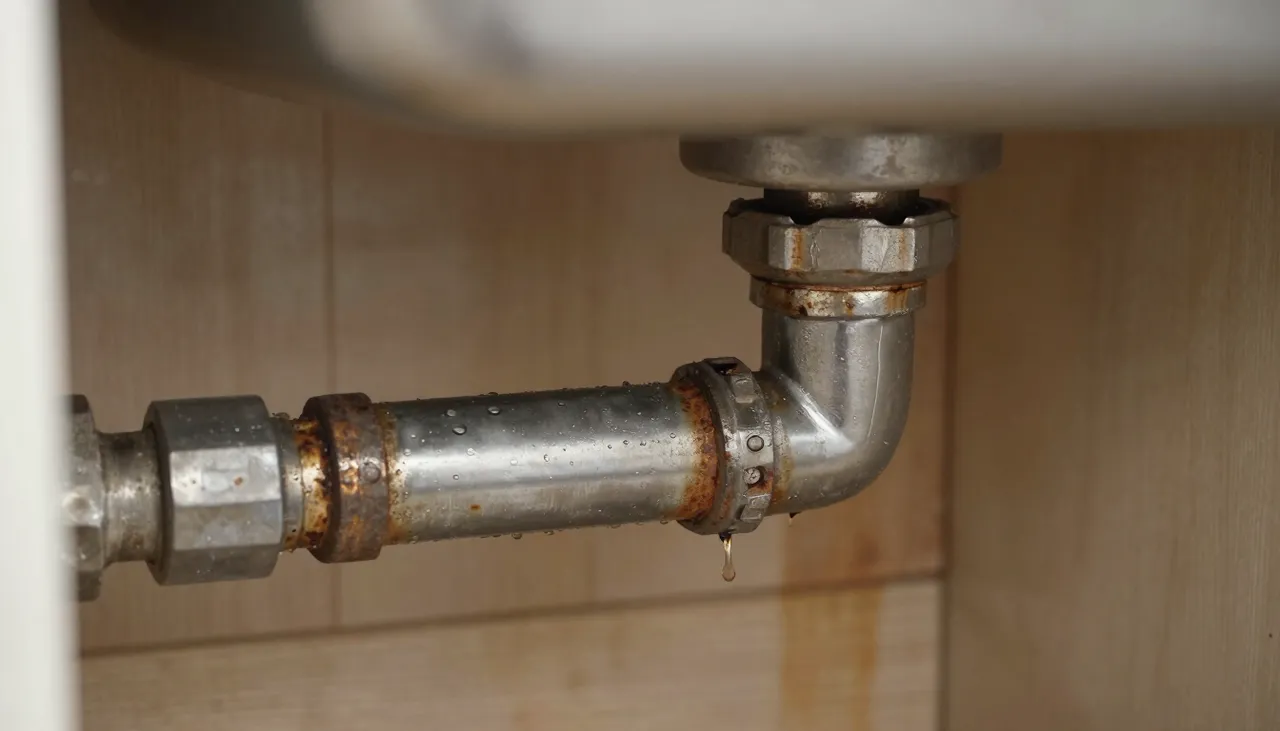
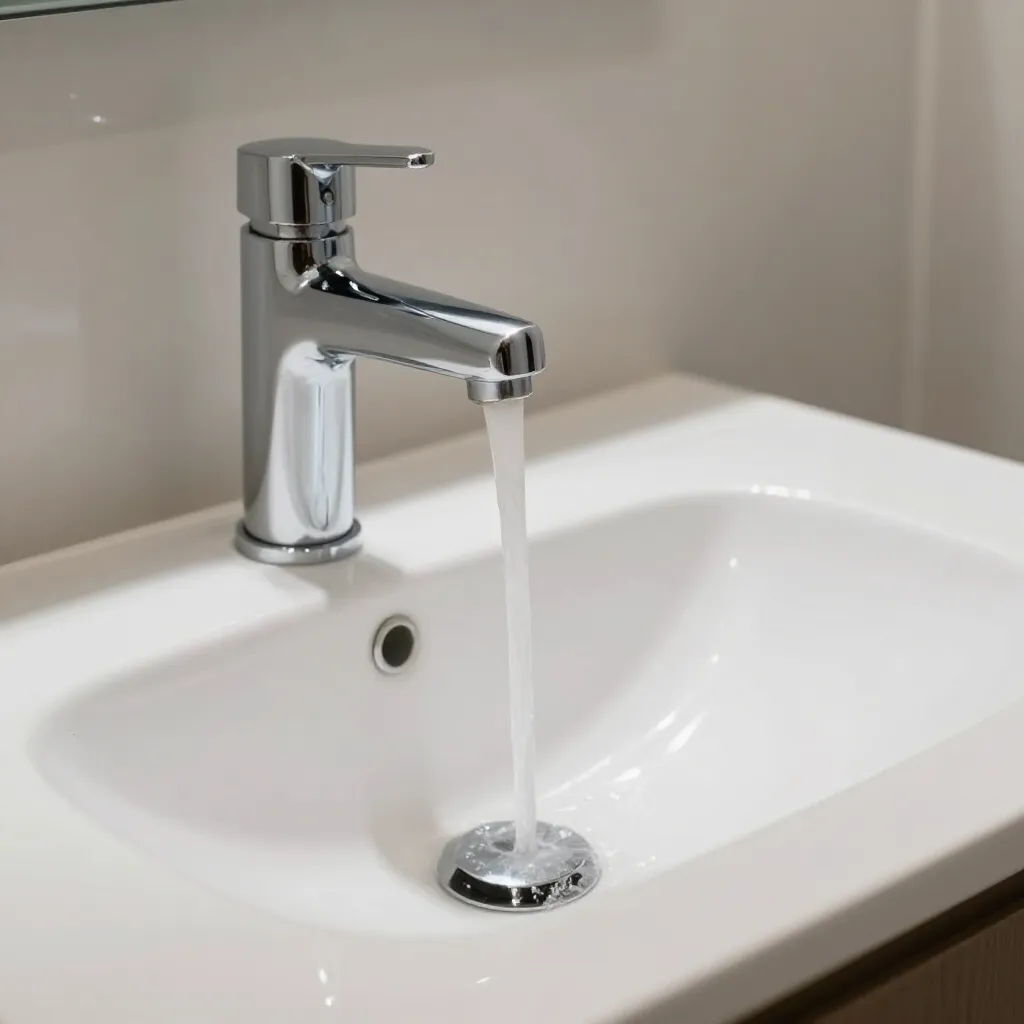
Faucet mineral buildup starts at the aerator, the small screen on the tip of the spout, and works its way back into the valve. Because that screen has the tightest openings in the whole fixture, it clogs long before anything else fails.
Watch for these signs at your sinks:
- Spitting or sideways spray. Scale on the aerator breaks up the stream.
- Pressure that drops at one faucet only. When a single tap is weak and the rest are fine, the aerator is almost always the cause.
- White crust at the base of the spout. This is scale forming where water sits after each use.
- Handles that stiffen or squeak. Minerals collect inside the cartridge and grind against the seals.
- Drips that start after years of normal use. Scale cuts tiny channels into rubber washers, so they no longer seal.
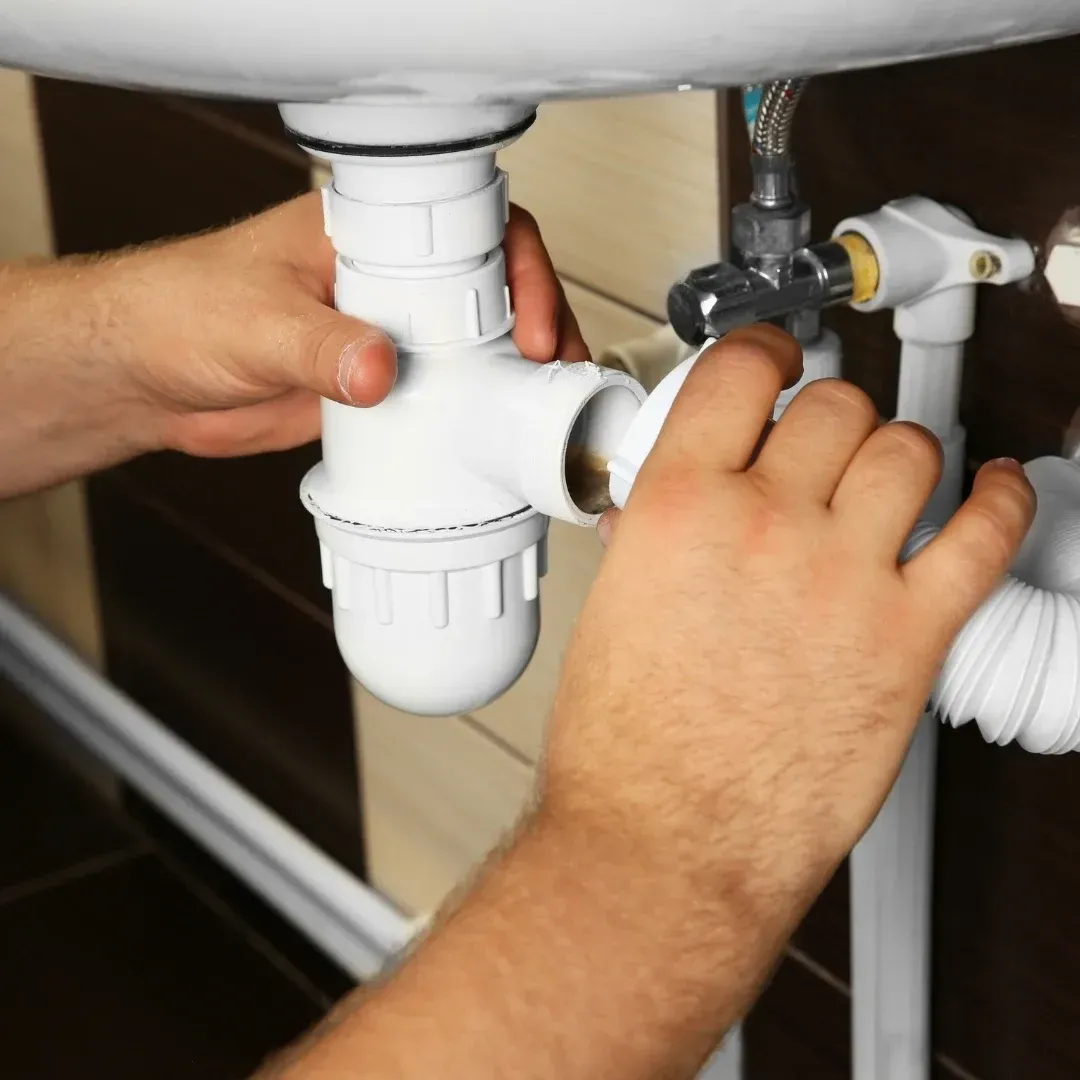
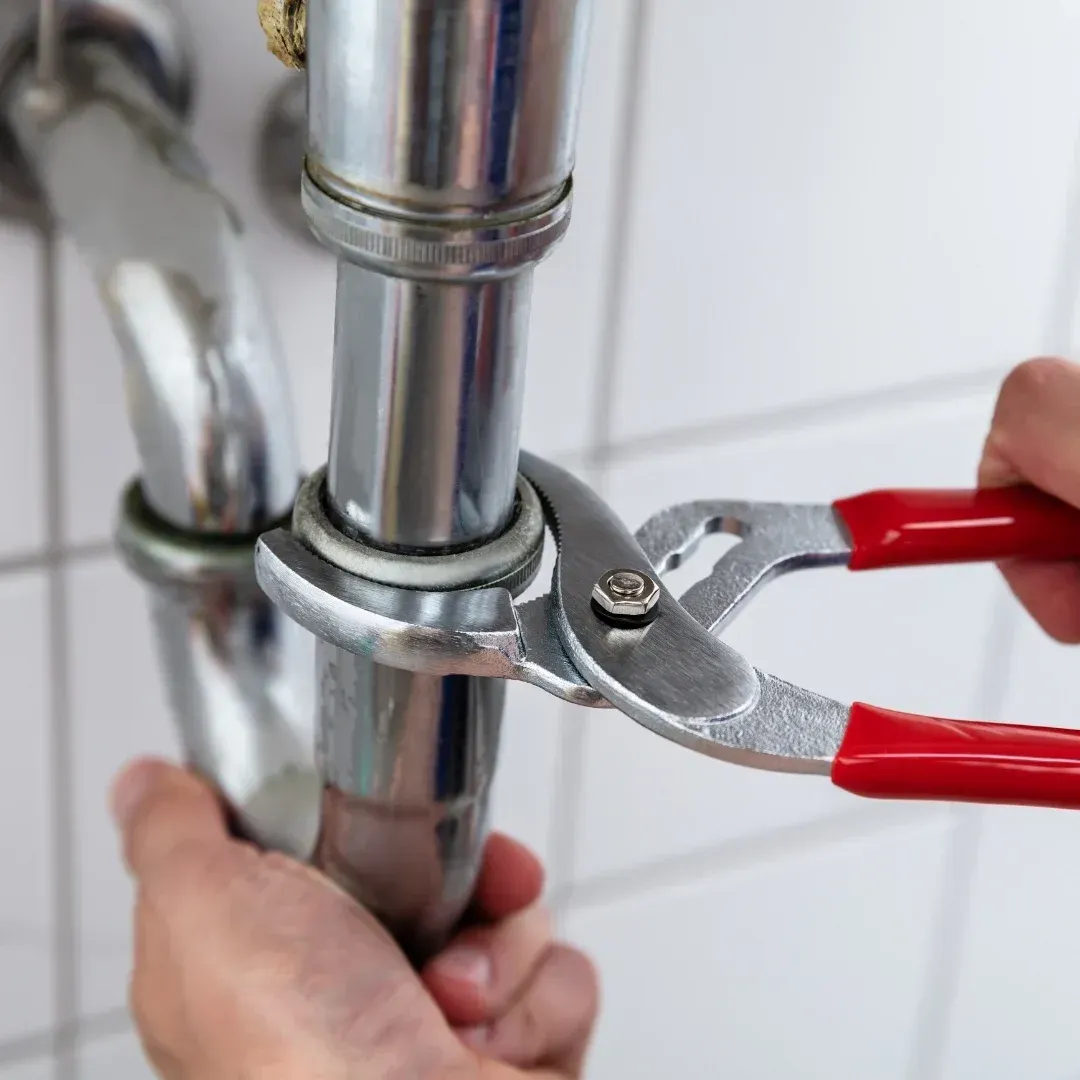
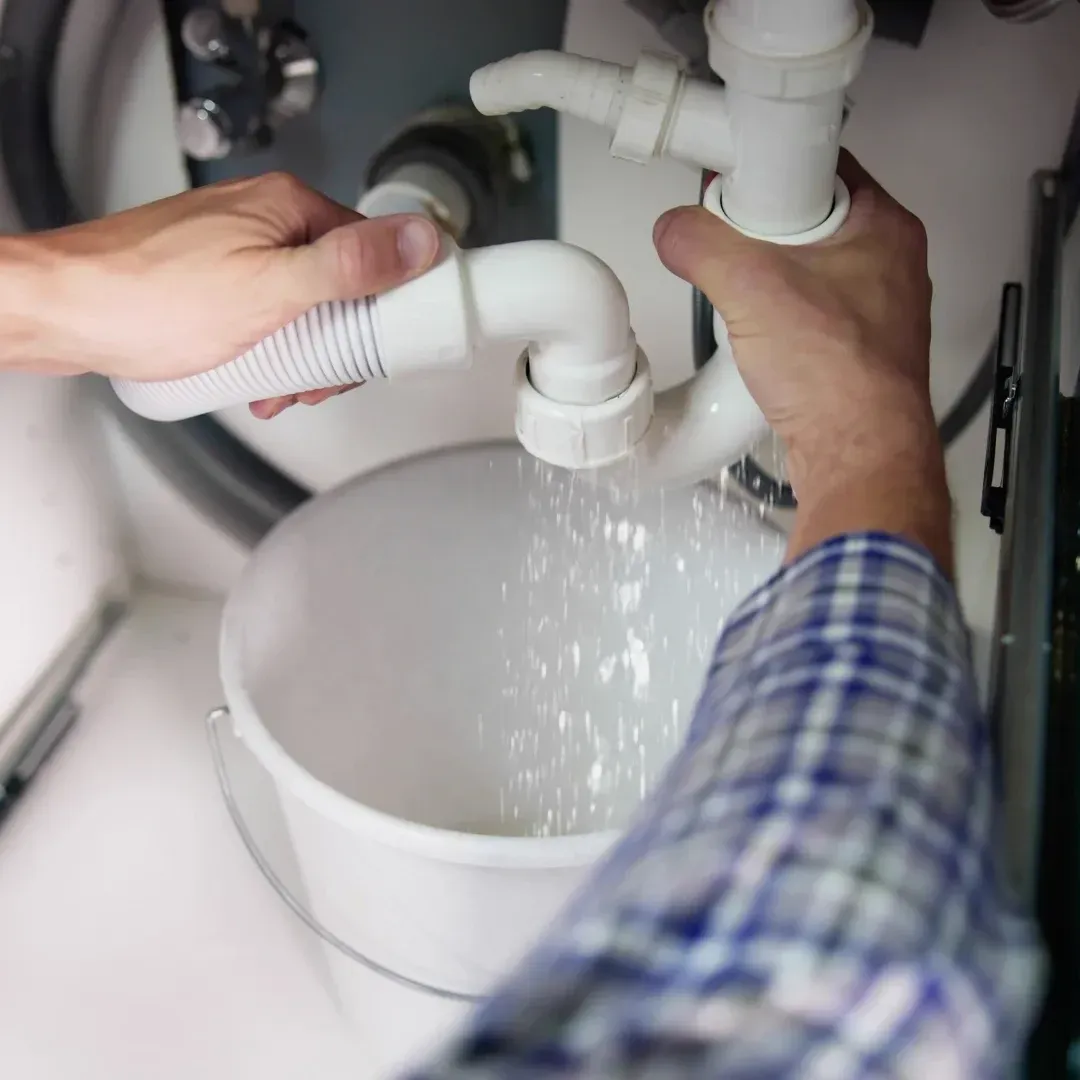
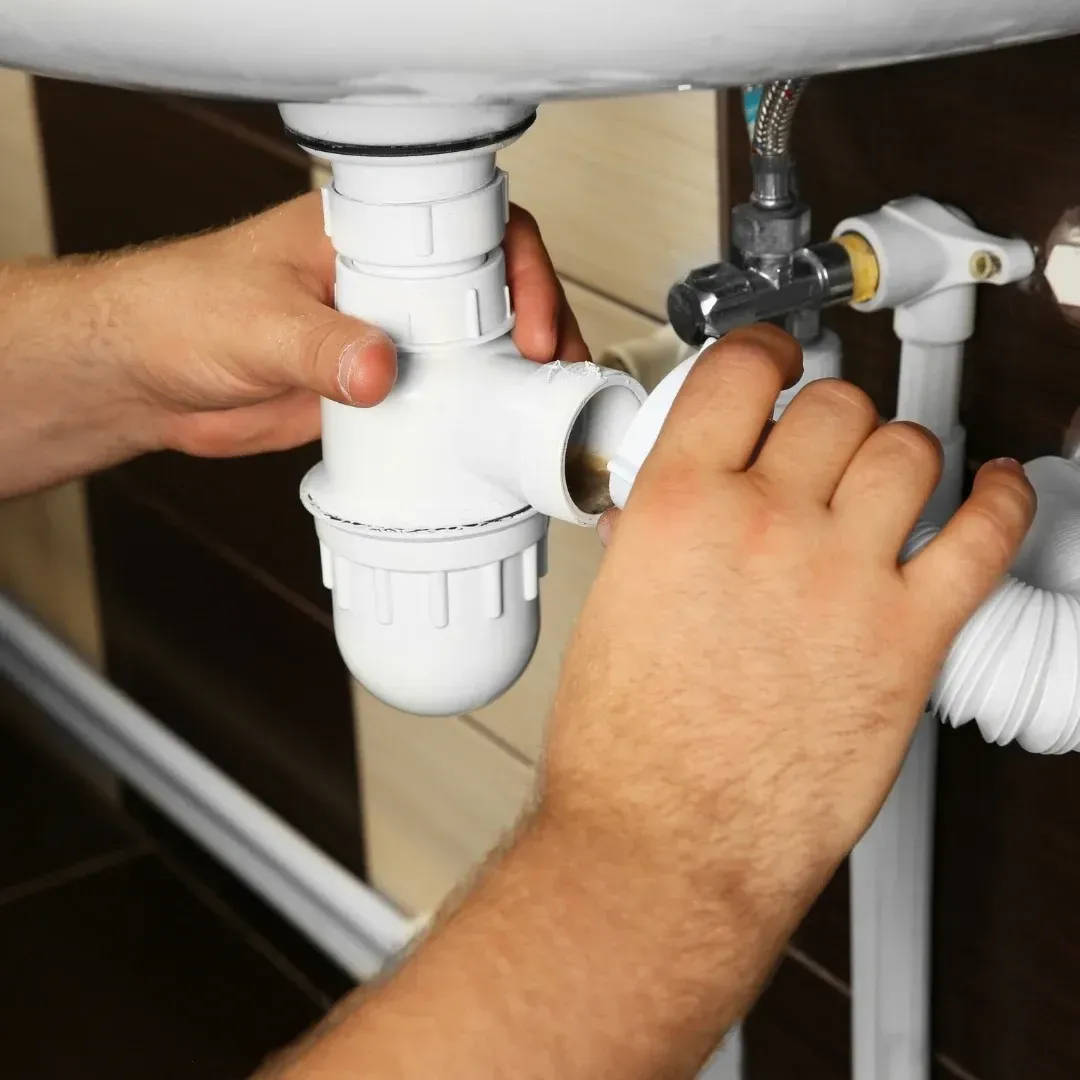
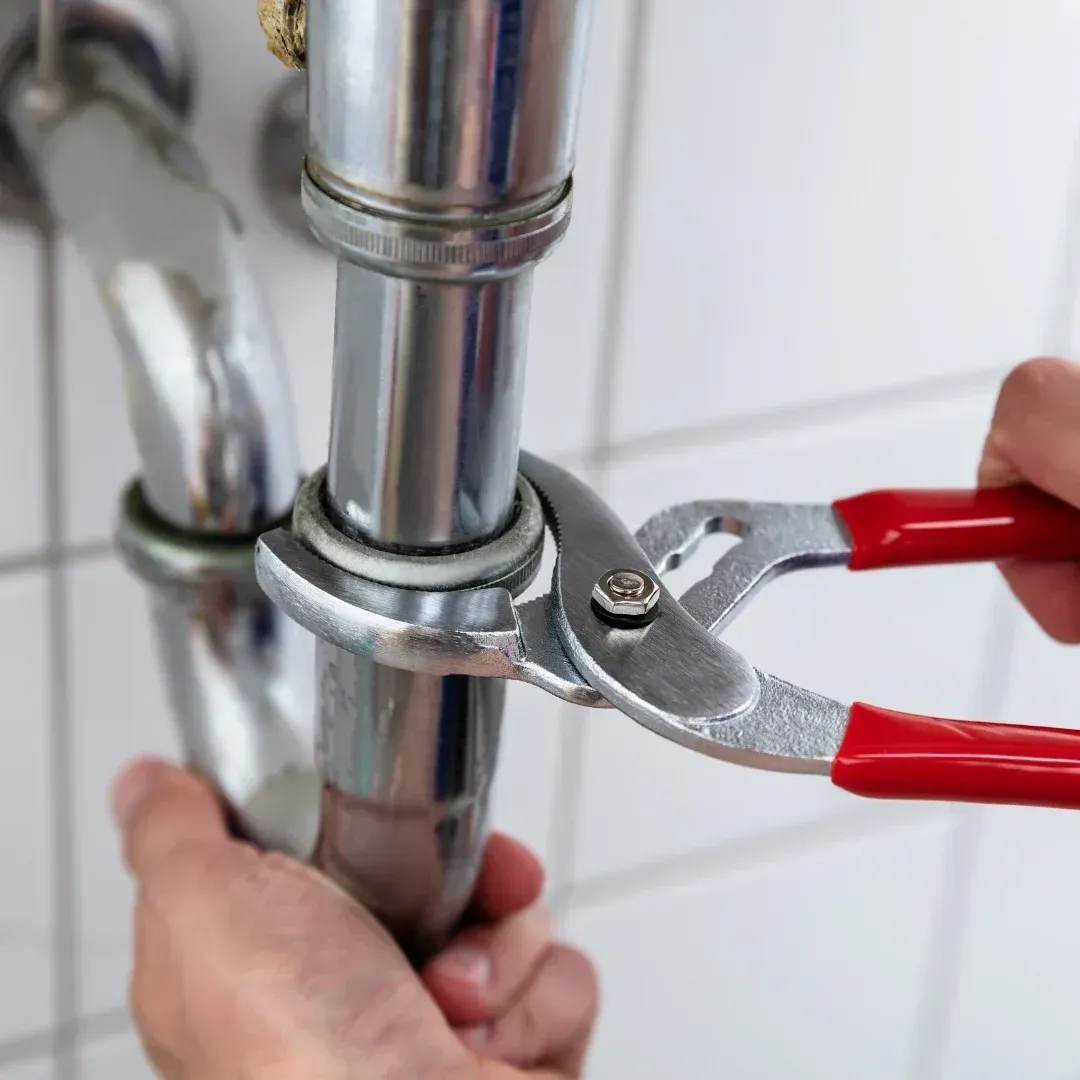
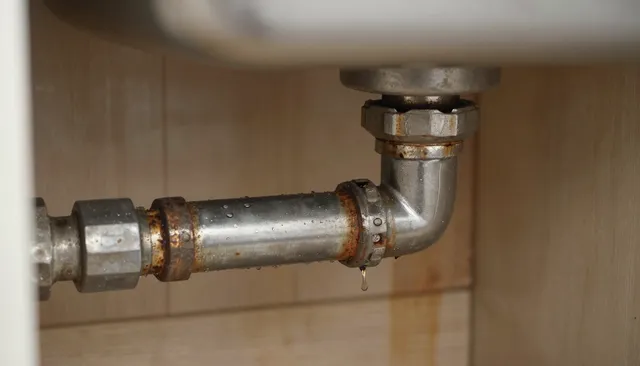
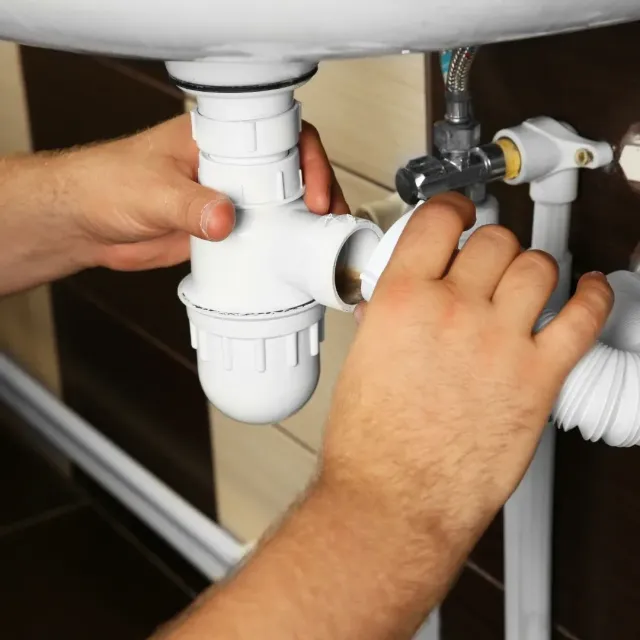
Thankfully, aerators unscrew by hand and soak clean in white vinegar in about 30 minutes. Cartridges and valve seats are a different story, though. Once minerals have scored the internal parts, cleaning will not restore the seal, and the fixture needs new guts or full replacement. Our team handles that kind of plumbing repair throughout Mesa and the East Valley.
Hard Water Appliance Damage Adds Up Fast
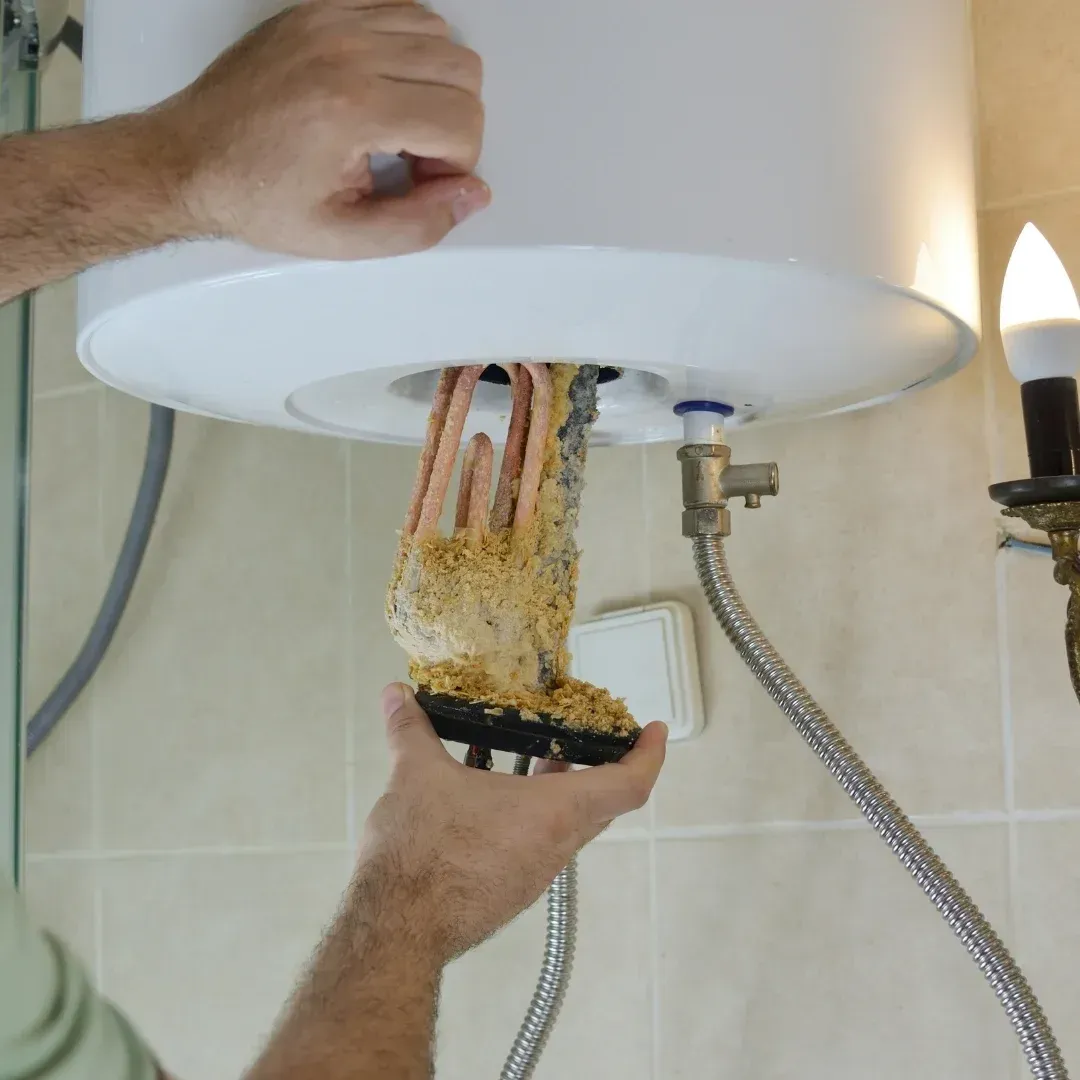
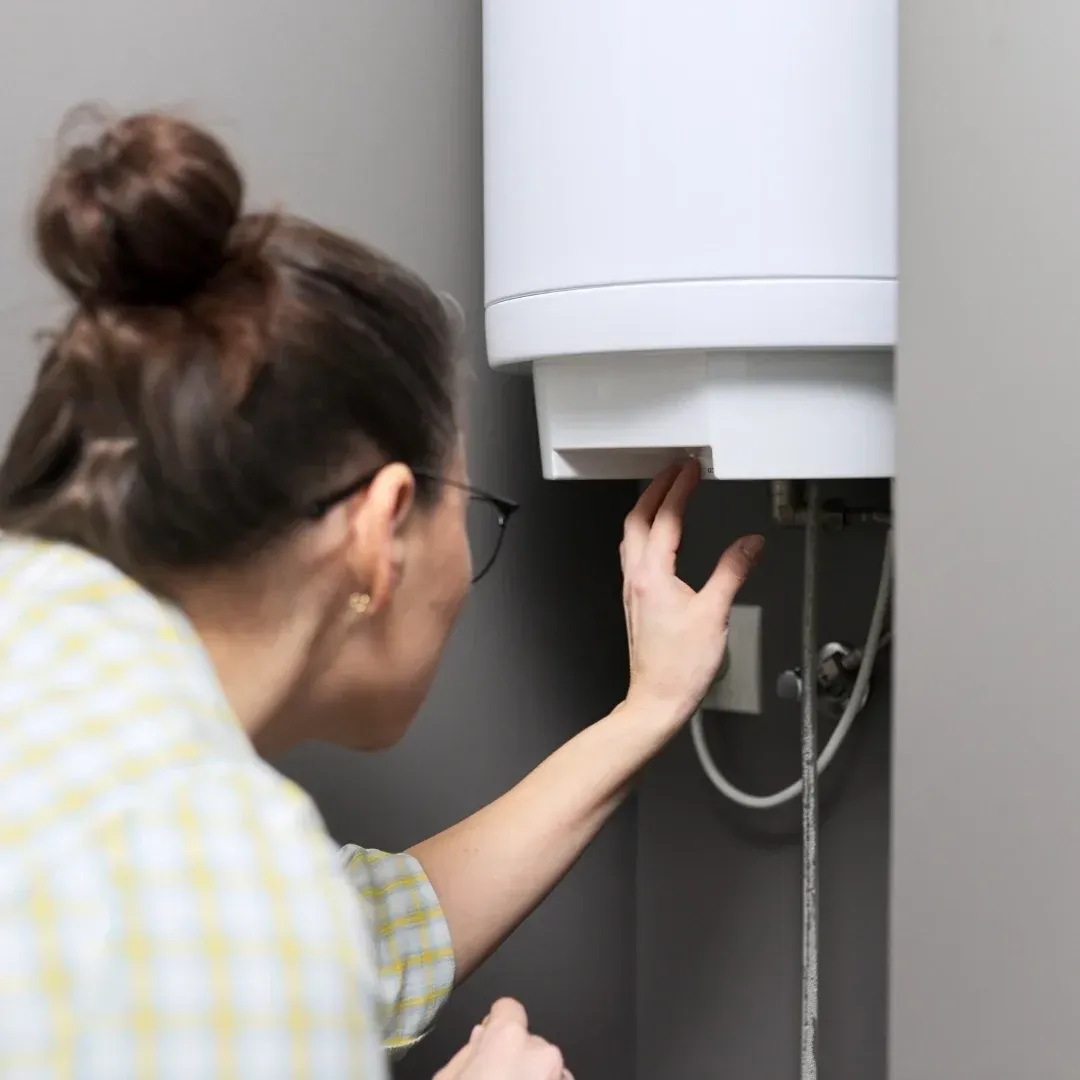
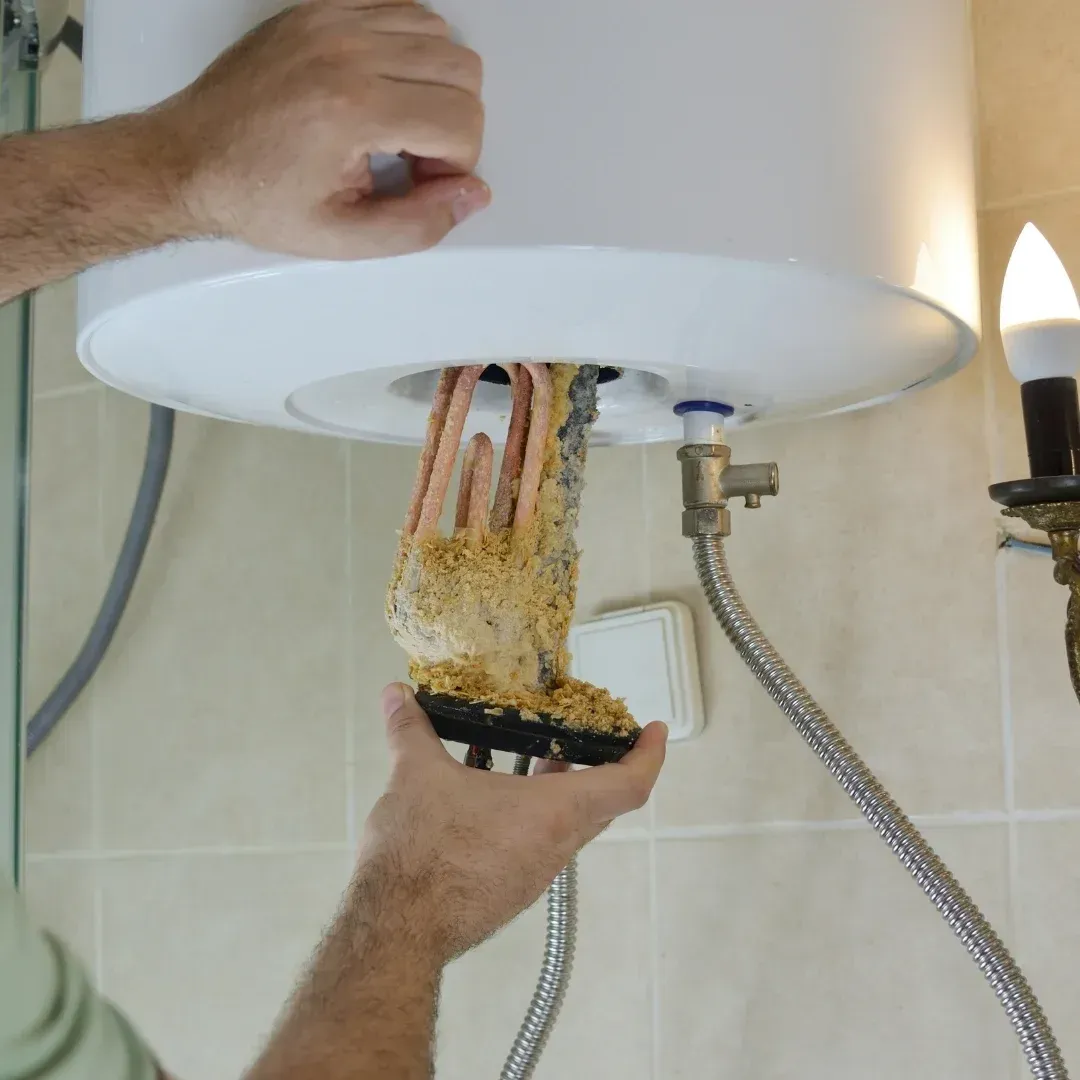
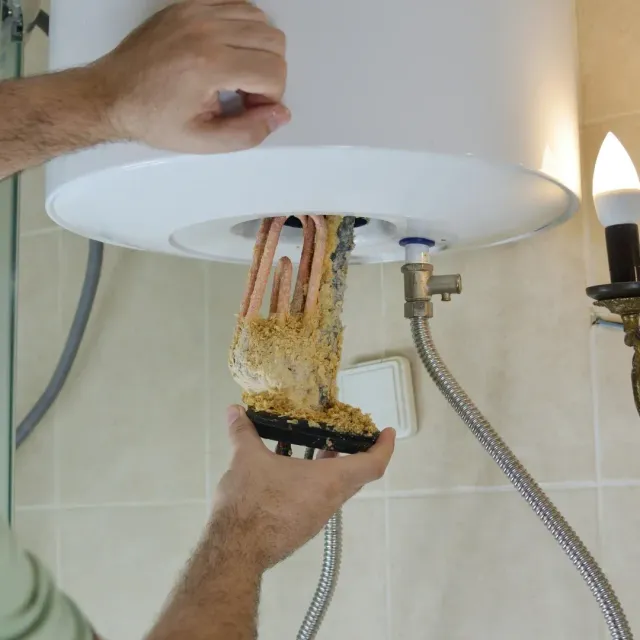
Hard water appliance damage is expensive because it happens invisibly, inside sealed components you never open. Scale acts like insulation on heating elements, so every appliance that warms water has to run longer and hotter to do the same job.
The Battelle testing measured this directly. Gas storage water heaters running on untreated water collected about 1.16 pounds of scale per year, while the same units on softened water collected less than a tenth of a pound. Those same tests tied every 5 grains per gallon of hardness to roughly a 4% drop in water heater efficiency.
| Appliance | What Hard Water Does | What You Notice |
|---|---|---|
| Water heater | Scale coats the tank floor and heating elements | Popping sounds, higher bills, shorter tank life |
| Dishwasher | Minerals clog spray arms and coat the heating element | Cloudy glasses, gritty film, dishes still dirty |
| Washing machine | Scale builds in the valves and drum | Stiff towels, dingy whites, more detergent needed |
| Ice maker | Deposits block the fill tube and mold | Small or hollow cubes, frequent jams |
| Coffee maker | Scale lines the internal heating coil | Slow brewing, lukewarm coffee, early failure |
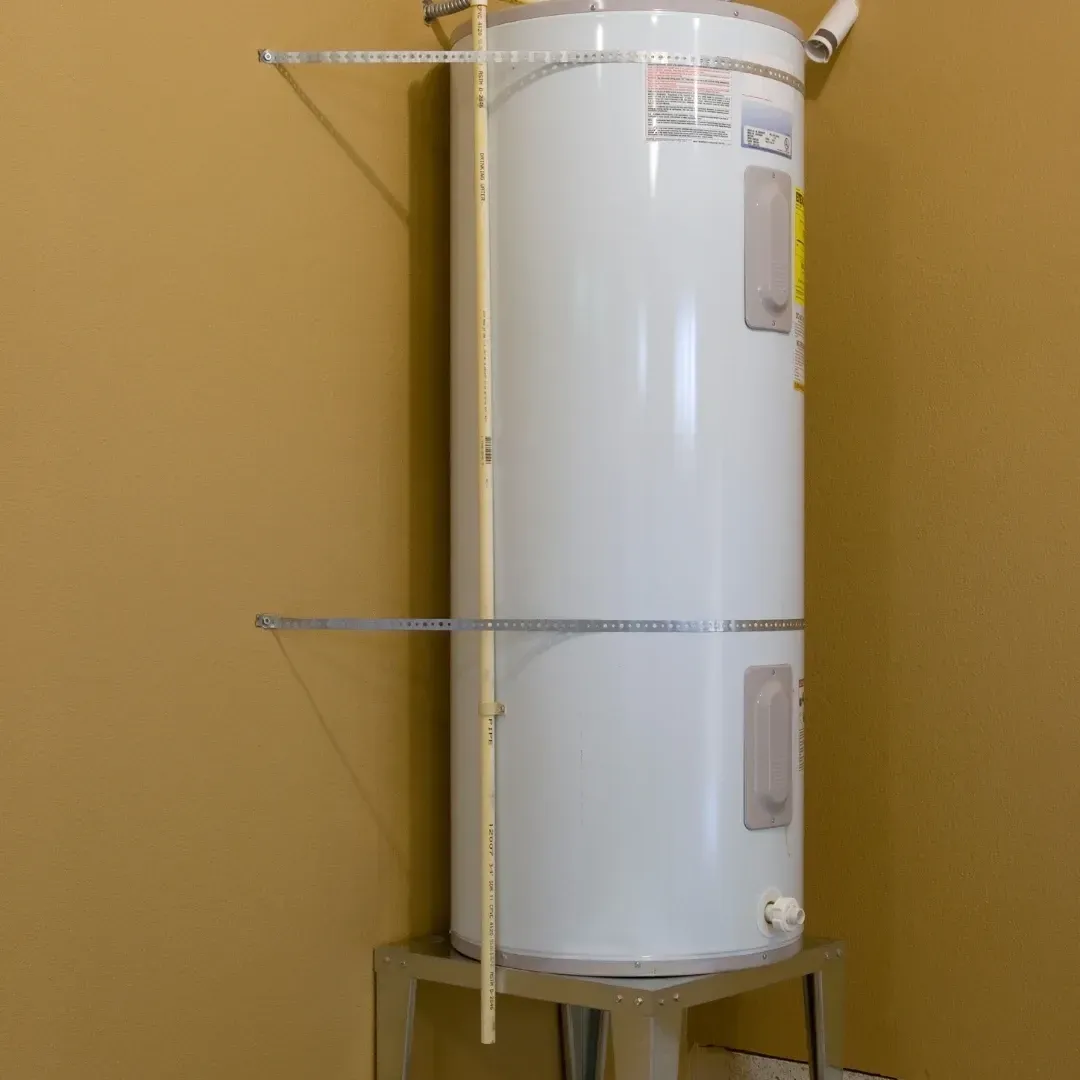
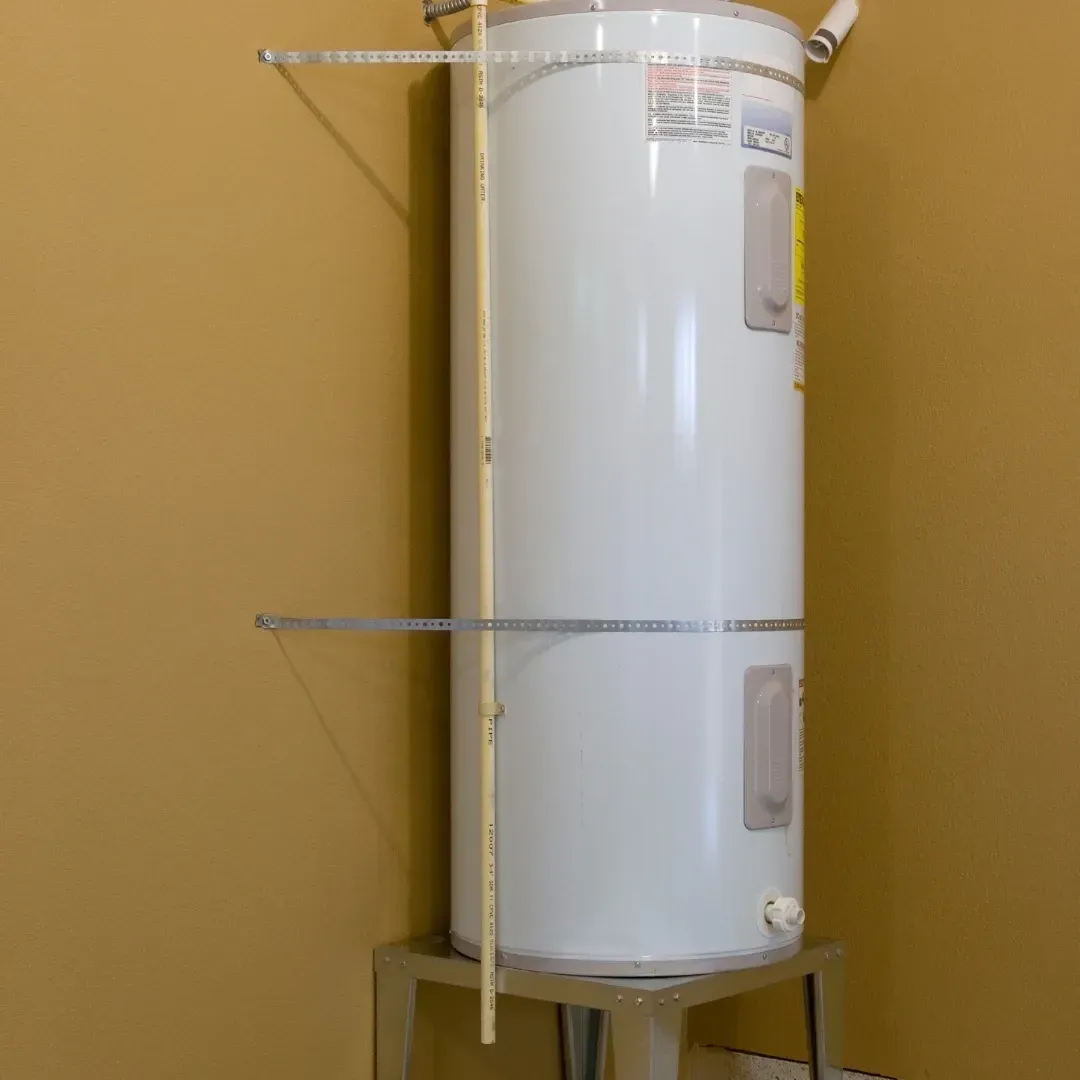
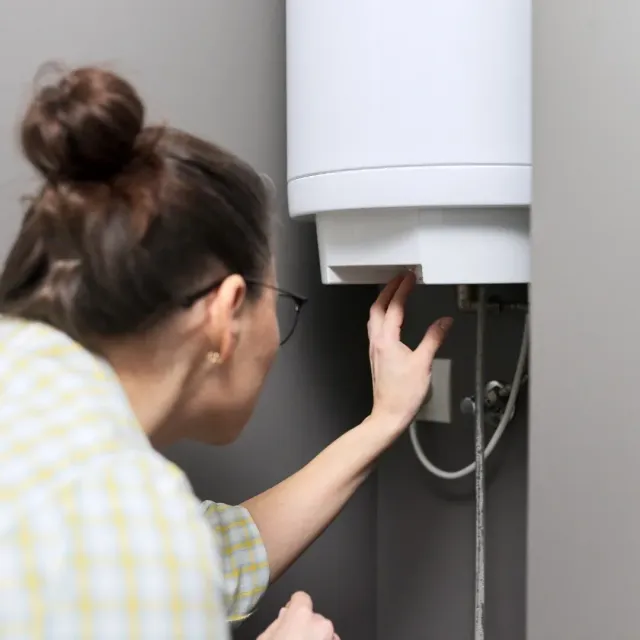
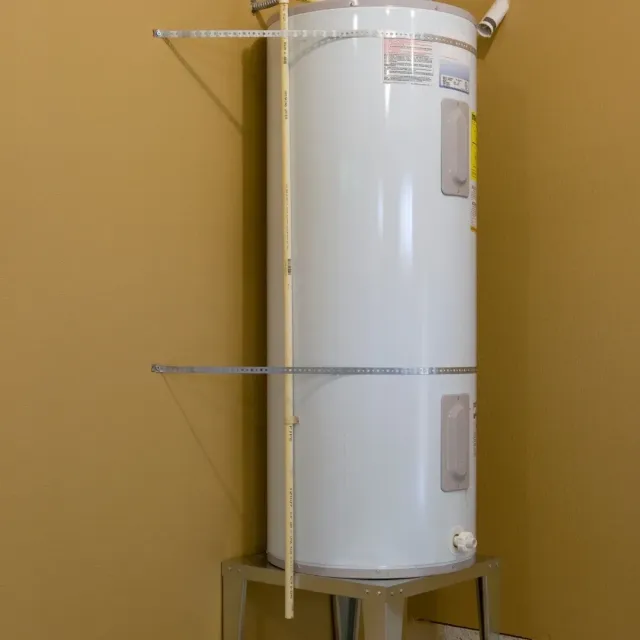
Water heaters take the worst of it, since they heat and store the water at the same time. We cover that in detail in our guide to water heater problems in Mesa's hard water conditions.


How to Protect Your Home from Hard Water
The only real fix is treating the water before it reaches your plumbing, because cleaning only removes scale that has already formed. Still, a few habits help in the meantime.
Start with these:
- Wipe down shower glass after each use so minerals never get a chance to dry
- Soak aerators and showerheads in white vinegar every few months
- Run a descaling cycle through your dishwasher and coffee maker quarterly
- Flush your water heater once or twice a year to clear loose sediment
- Keep your water heater set at 120 degrees, since hotter water drops out minerals faster
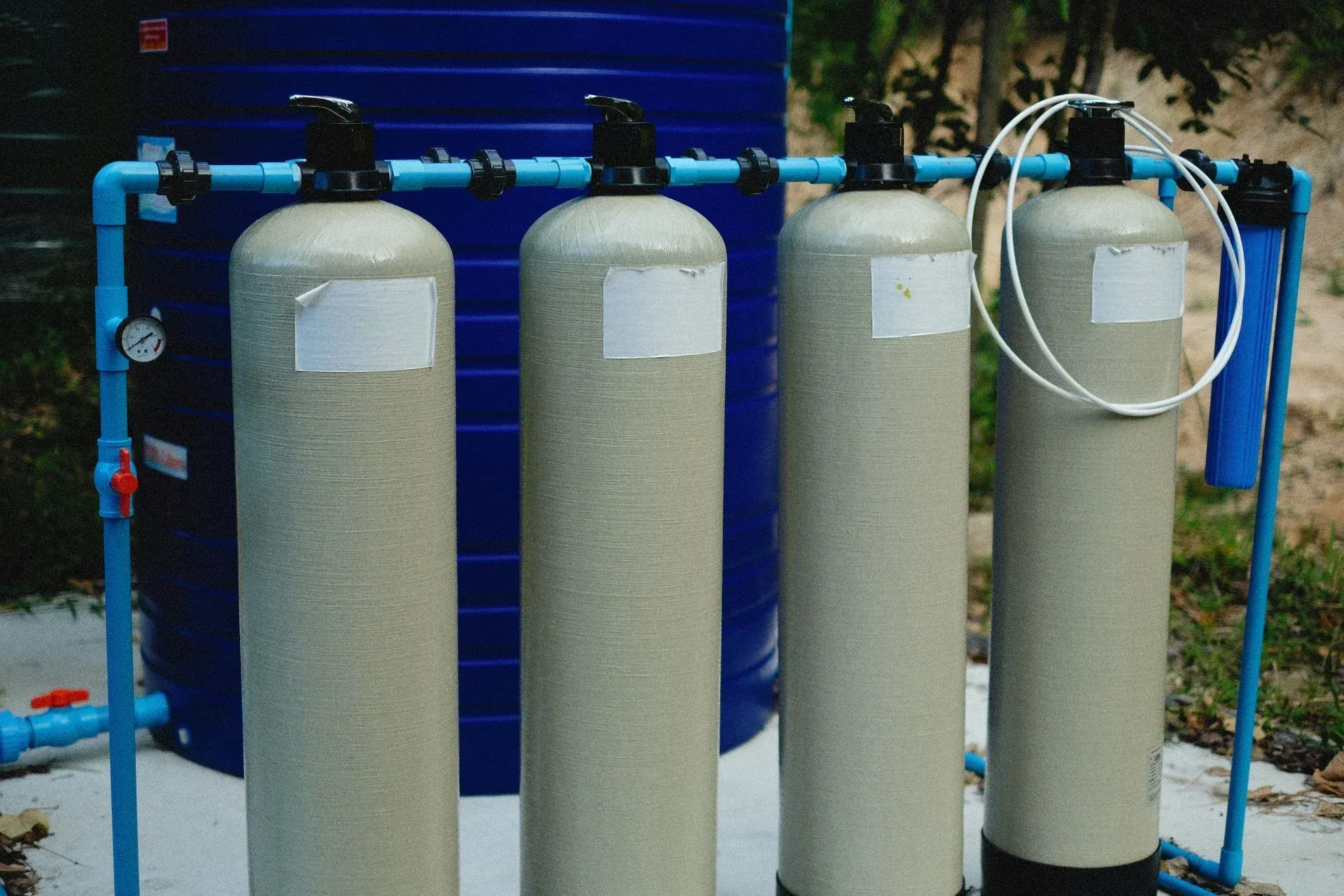
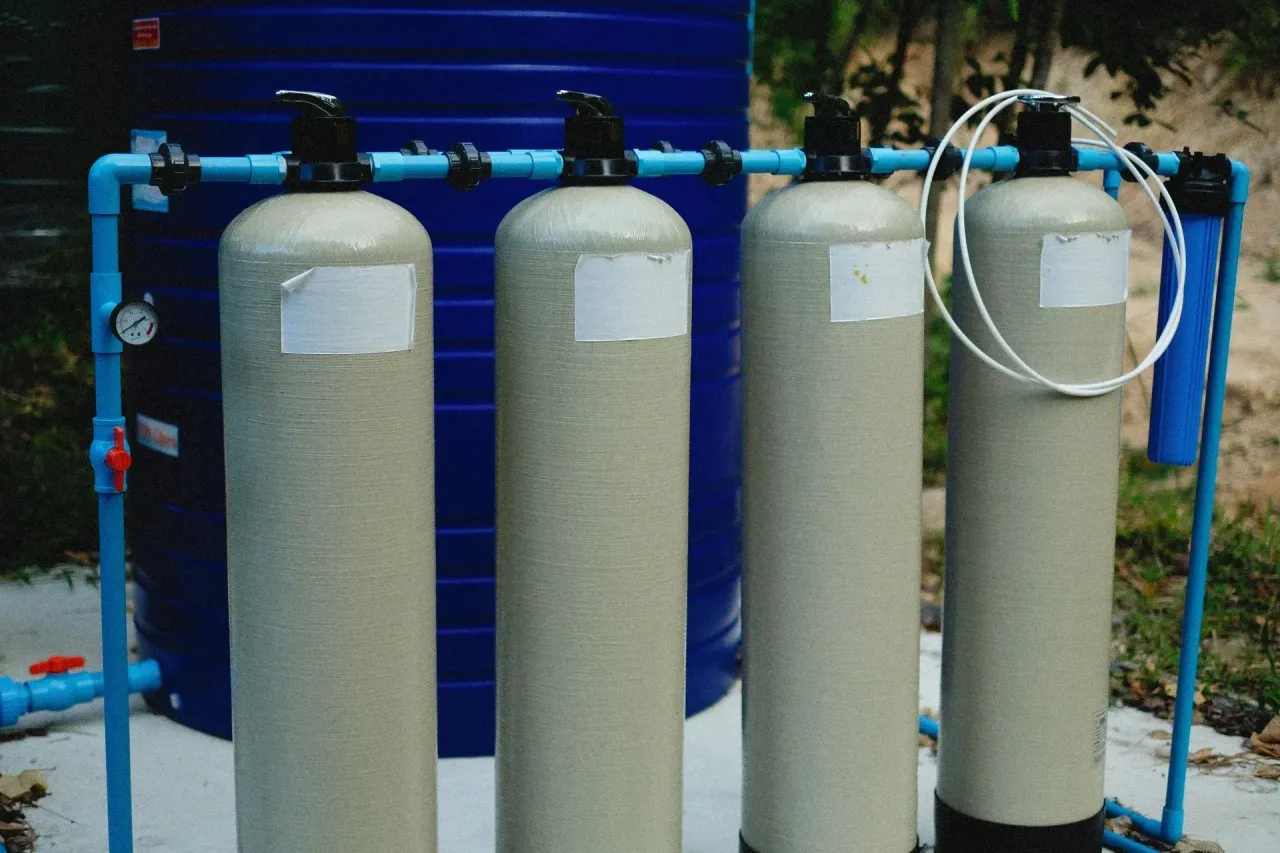
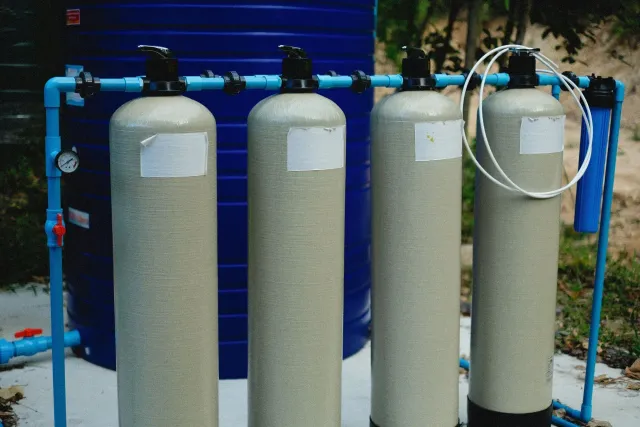
For a permanent solution, a water softener removes the calcium and magnesium through ion exchange before the water enters your home. Your fixtures stay clear, your soap lathers, and your appliances hold their rated efficiency instead of losing it year after year.
Meanwhile, if taste and odor bother you as much as the scale, you may want treatment at the tap too. Our comparison of whole-home filtration and reverse osmosis explains which approach fits which concern, and many Mesa homes end up using both.
FAQs About Hard Water Effects
Is hard water bad for your health?
No. The calcium and magnesium in hard water are safe to drink, and Mesa's water meets all federal and state safety standards. The damage hard water causes is to your plumbing, fixtures, and appliances rather than to you.
Why does my skin feel dry after showering?
Hard water keeps soap from rinsing away completely, so a thin film stays on your skin and pulls moisture out of it. Many people notice the difference within a week of switching to softened water.
How much shorter is an appliance's life on hard water?
It varies by appliance, but water heaters, dishwashers, and washing machines commonly lose several years off their expected life when they run on untreated hard water. Scale forces them to work harder, and heat plus strain is what wears parts out.
Can I remove hard water stains that have already set?
Fresh deposits come off with white vinegar or a citric acid cleaner. Once minerals have etched into glass or porcelain, however, the damage is permanent and the surface has to be replaced.
Do I need a water softener if I already have a filtration system?
Usually yes, because they do different jobs. Filtration handles taste, odor, chlorine, and sediment, while softening is what removes the hardness minerals that cause scale.
Stop Hard Water Damage in Your Mesa Home
You do not have to keep replacing fixtures and appliances years ahead of schedule. Prompt Property Services tests your water, explains what the numbers actually mean for your home, and recommends treatment sized to how your household uses water.
We install water softeners, whole home filtration, and reverse osmosis systems for homeowners in Mesa, Gilbert, Chandler, Queen Creek, Tempe, Gold Canyon, and Apache Junction. In addition, we handle the plumbing repairs that hard water has already caused.
Call Prompt Property Services at (480) 207-8514 to schedule a water treatment consultation today.